In a perfect world, potential customers would proactively come to your business asking you to sell them the best productions and solutions. Every sale you made would be 100% inbound.
However, this utopia doesn’t exist—at least not now. If you’re like the rest of the salesforce, you are probably using as many outbound cold calling strategies as you can. Get the most out of your sales strategy with concrete steps every business and salesperson can use to engage with customers—from the first point of contact and beyond.
Before you start dialing, take a moment to review these cold calling tips to better understand how you can introduce your product or service to potential customers.
1. Rethink your cold calling strategies
A cold call is not about making a sale during the first point of contact—your objective is to arrange the chance to make a sale. Cold calling rarely results in an immediate sale, so don’t bank on sealing the deal right away.
Use your first call to establish a relationship with your contact. Ask questions and take notes on their answers for your future interactions. Focus on introductions, gathering information, and agreeing on a next step—an office visit, online demonstration, additional phone calls, etc.
Your goal with your first point of contact in a cold call is to set an appointment. Maybe that’s with another phone call with an additional decision-maker or an in-office visit to demonstrate your technology.
You have to hook potential customers with why they need your product. What makes your business or service different from the dozens of other pitches they hear every week? As English teachers everywhere advise: “Show, don’t tell!" Repeat and confirm your intent at the end of the call (e.g. “I will send out the blog posts and videos I mentioned right after this. Thanks!”).
2. Lay out your thoughts
Take the time to type out your notes and talking points. The act of typing and organizing information will help you retain it better later. Write out a concise intro and include a greeting with the contact’s name if you have it. The greeting should include your name, the company you work for, and the reason for your call.
For example, “Hi, Charles. This is Stacey from Work, Co. and I want to make sure you’re aware of [BENEFIT] of our [PRODUCT]. Let me send you our free software demo to get started.”
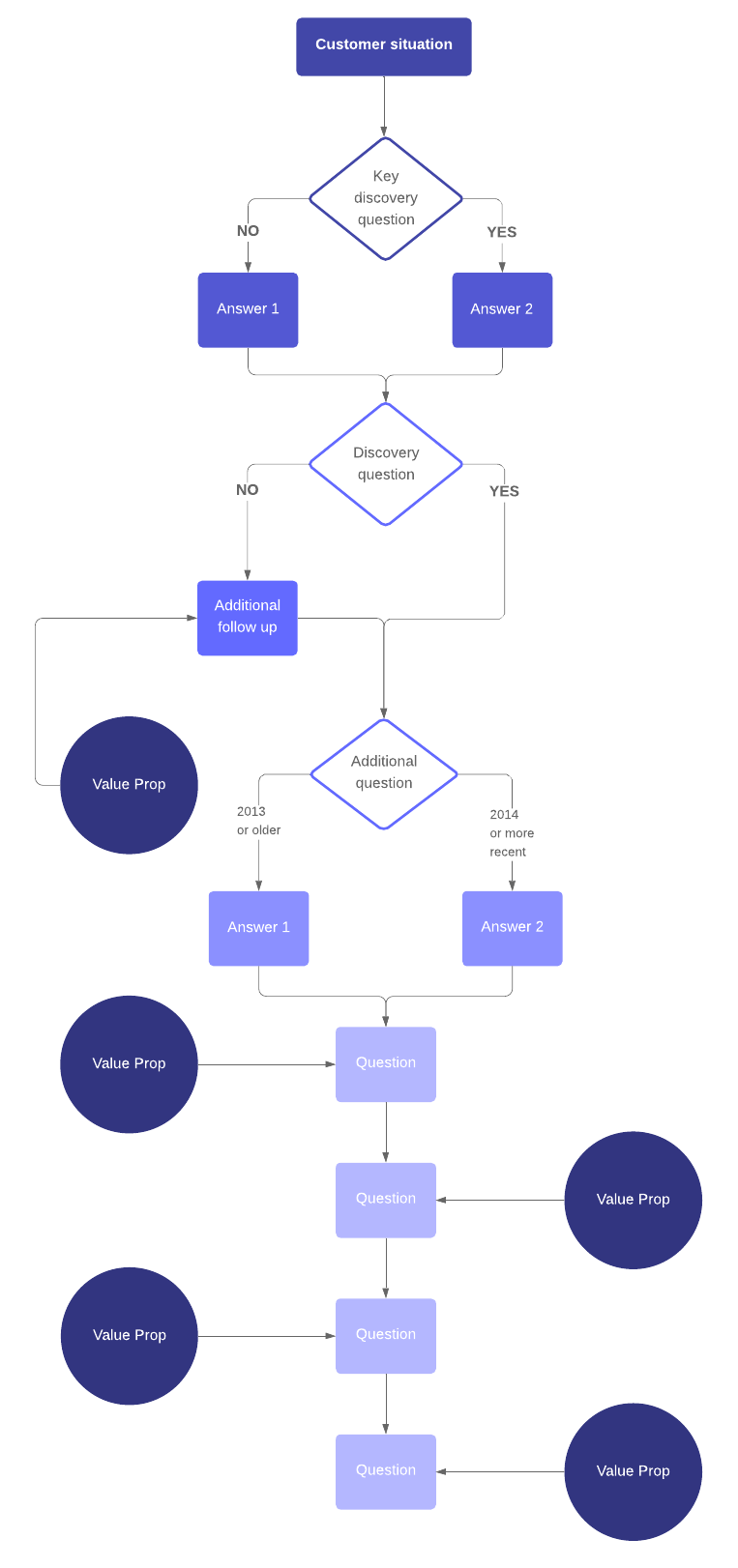
What’s the benefit of this practice? Reading short, two- or three-sentence paragraphs is easier to manage than struggling through a cold call template that’s essentially just a page full of black ink. Don’t think of your cold calling template as a script, but more like a prompt or guideline to keep you on the right path.
3. Connect with decision-makers
Aligning with the correct contact is vital to cold calling success. Be upfront and ask to speak with the manager or director of marketing, technology, development, etc. If you’re unsure of whom to speak with, or if the person on the phone is stalling, try asking the following:
“Who in your office handles software purchases? Our [PRODUCT] has saved our customers a combined $1.2 million in operating costs in the past three years! I’d love to discuss how [PRODUCT] could fit into your business plan.”
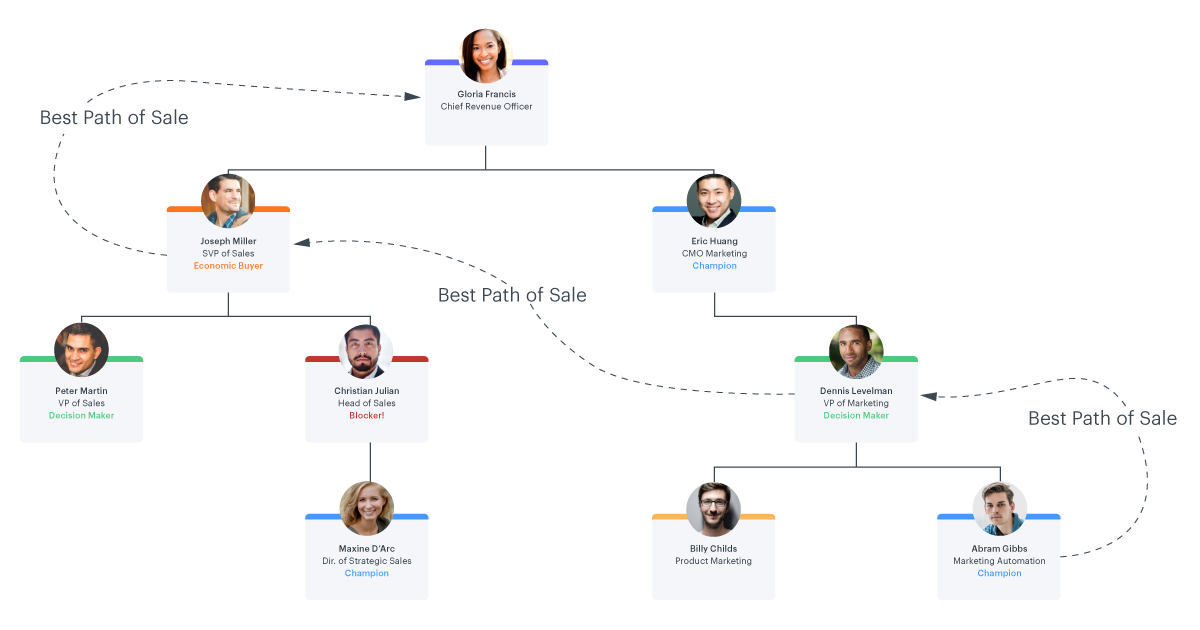
If that doesn’t get you anywhere, ask to speak directly with the office or branch manager. Keep track of the contacts you make and get on the phone with the right person faster with a Lucidchart sales account map.