Pick a system that works for you. Your schedule can be as detailed or as relaxed as you want. The key is having some set routine and structure for you and your child to follow so you can both stay on track.
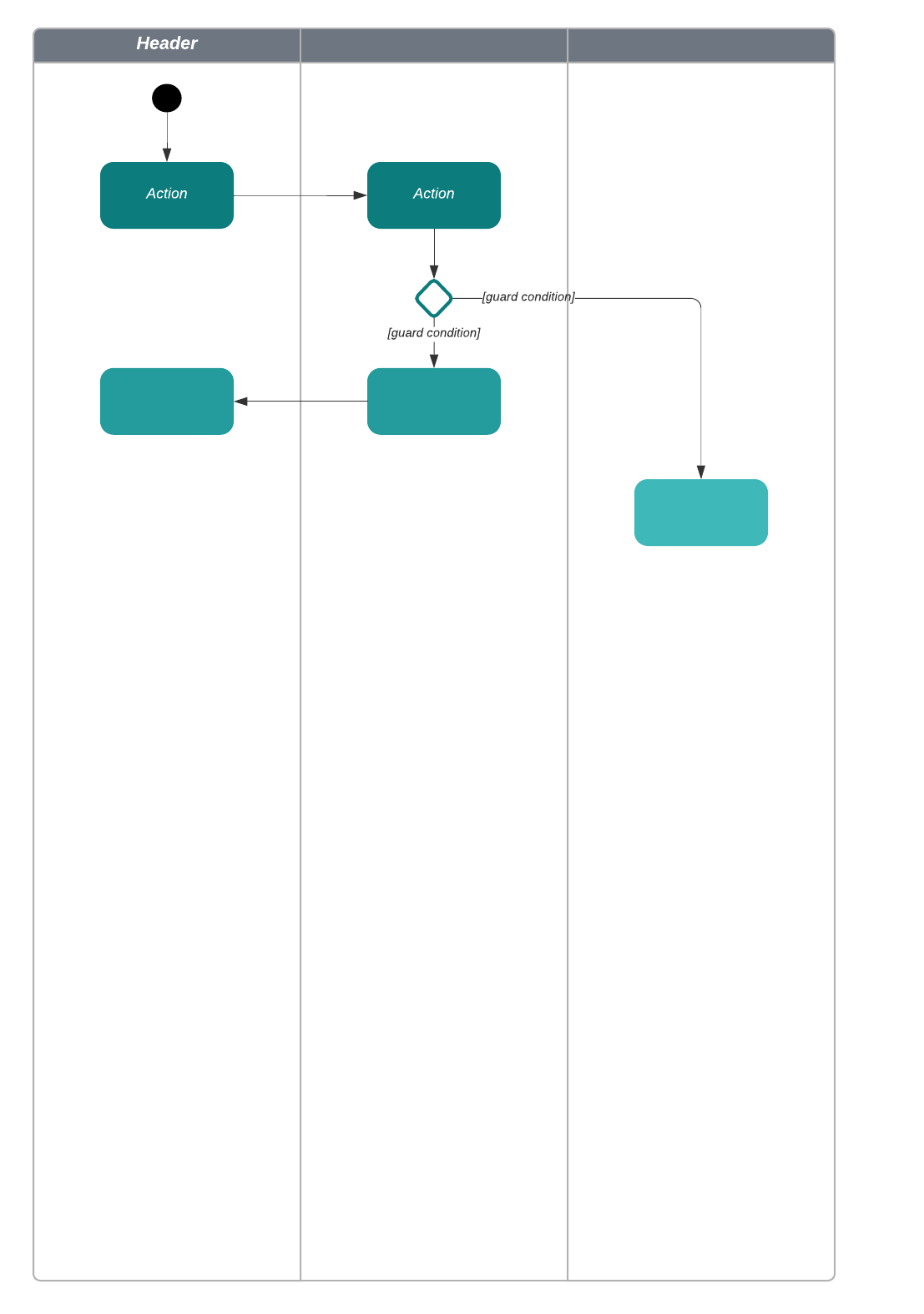
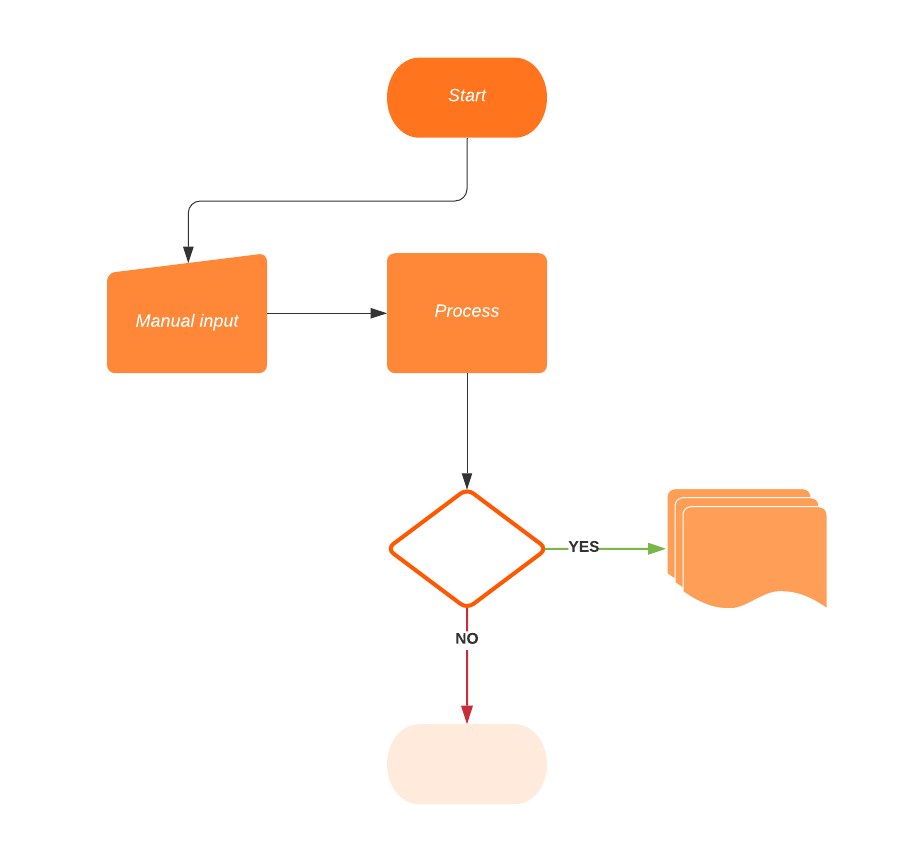
Lucidchart makes it easy to visualize your schedule and track assignments. The intuitive dashboard and ready-made templates let you quickly outline and customize your schedule—including color-coding, swimlanes, and flowcharts.
3. Map out the school year ahead of time
Map out your school year to track progress on your goals and plan out big projects. Breaking up big goals and projects into smaller steps makes them more manageable and you’re less likely to let details fall through the cracks.
There are lots of ways to map your curriculum and goals including:
- Org charts
- Mind maps
- Roadmaps
- Flowcharts
Visualizing your plans can help you stay organized and see your progress at a glance.
4. Set learning goals together
Homeschooling gives your child the opportunity to direct and customize their education. Goals are an important part of that process. When you have a vision and a plan for where you want to go, you are more likely to achieve those learning outcomes and properly align your day-to-day curriculum.
As the parent/teacher, outline some key learning objectives for your child ahead of time. (These will likely be based on state or national requirements, your personal educational philosophy, as well as your child’s age and abilities.) Once you have some broad objectives and benchmarks, sit down with your child and get their input.
Work together to set learning goals broken down by year, semester, and month. This is also a great opportunity to teach your child goal-setting skills and best practices (such as the SMART formula).
5. Take learning beyond the classroom
One of the best parts of homeschooling (and one of its greatest advantages) is the flexibility to learn outside a traditional classroom setting.
Look for learning opportunities beyond the textbooks:
- Play board games.
- Practice baking and cooking.
- Learn household management skills like laundry or simple budgeting.
- Write emails to friends and family.
- Visit local businesses.
- Go to the farmer’s market.
- Go to the library.
Make time for these opportunities in your daily schedule and keep an open mind—exploring new skills, meeting new people, and playing are all important ways we learn and grow. Incorporate those experiences into your homeschool environment for a well-rounded curriculum.
6. Make learning a family activity
Share your excitement for learning with your kids. Is there a subject or activity that everyone in the family enjoys? Lean into that.
For example, you could:
- Read together.
- Explore a new hobby or have a family member teach a skill.
- Make crafts.
- Be a tourist in your own town.
- Go geocaching.
- Take a family hike.
- Visit a museum.
There are countless ways to involve the family and make learning fun. Take a family trip to the zoo to learn more about animals or ecology. Or practice home economics skills by cooking together or learning how to plan a meal and make a grocery list. Apps like Duolingo gamify learning a new language—practice together and see who can ramp up the most points.
Get creative and involve the whole family for a fun and memorable experience.
7. Collaborate with other homeschoolers
Just because you’re in charge of your child’s education doesn’t mean you’re in this alone. There are rich and diverse homeschool communities all around the world.
Connect with other homeschoolers in your area or online to collaborate and share resources. This will not only make the schooling process easier on you, but it will also enrich your child’s experience and expand their educational opportunities in and out of your home.
8. Ease into school
Whether you’re returning from summer break or a mid-year vacation, don’t be afraid to ease back into your full curriculum.
For example, consider starting with just one or two subjects the first week and then adding a subject to your schedule each week as you ramp up. This will give you and your child a chance to gradually acclimate to the school environment again and to begin building a natural routine.
Remember: Homeschooling doesn’t have to mirror the structure and set up of public schools. Don’t be afraid to experiment with your learning style and schedule. Listen to your child and pay attention to what works well for them and adapt as needed.
At-home education and distance learning can seem intimidating and overwhelming in the beginning. With so many moving parts to juggle and energetic kids (or apathetic teens) to motivate, staying organized and fostering an engaging learning environment is no easy task.
Luckily, there are tons of free homeschooling resources for parents and students. Follow the tips above to get started and use Lucidchart to stay on track.