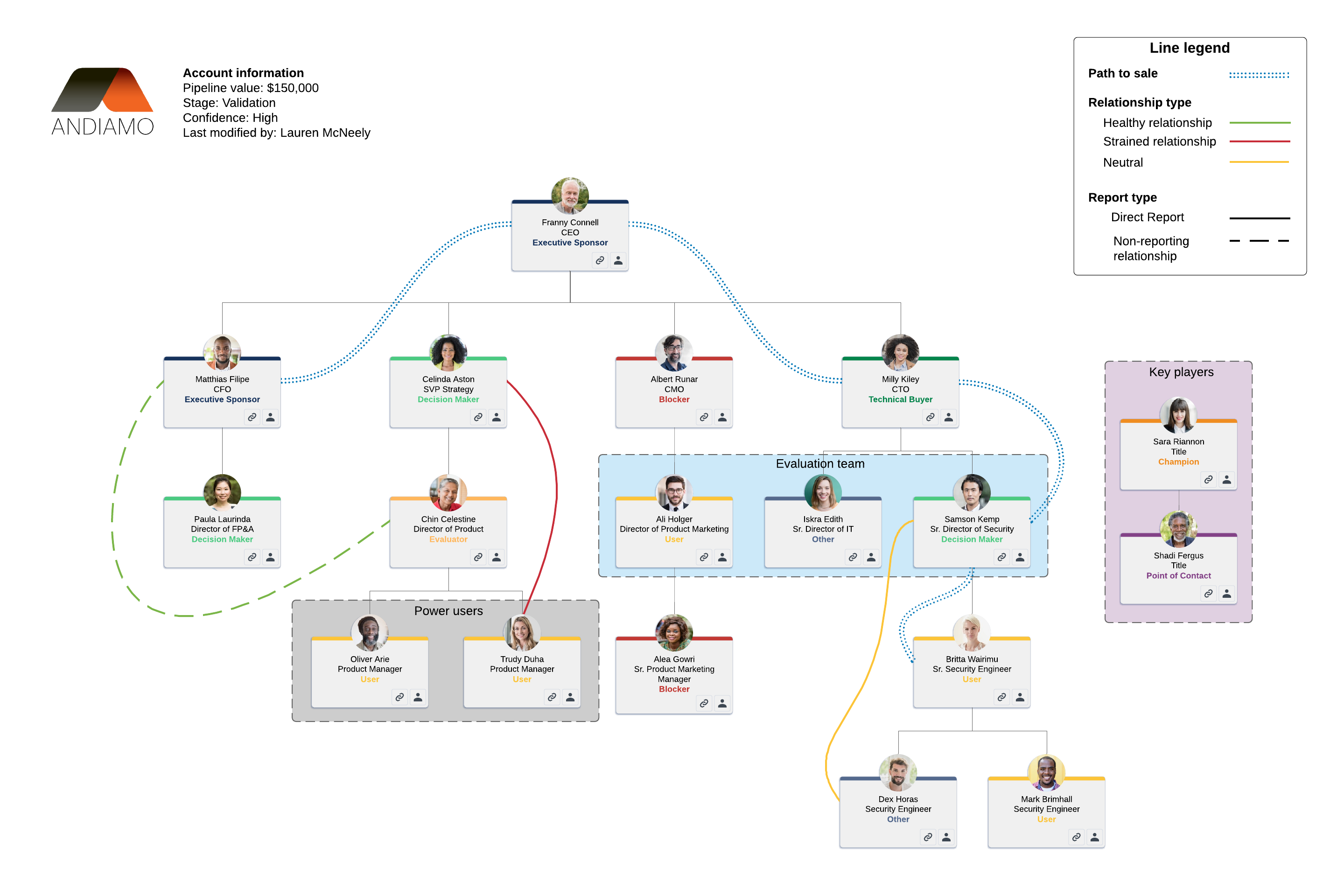
Keep in mind that potential customers also have access to information 24/7, which means they may have already entered the sales funnel by the time you contact them. Your job then is to determine if the prospect has already engaged with the sales process, and if so, how far along are they? It has been shown that some B2B buyers are anywhere between 60% and 90% of the way through their purchase before they ever have contact with the seller.
2. Ask open-ended questions
Never assume you know something about your prospective customer—always ask. The more information you can gather from your client about their needs, likes, dislikes, and struggles, the better position you’ll be in to complete a sale. Stick to questions that promote an in-depth response, and avoid yes/no questions that can shut down a conversation.
Keep in mind, though, that all the questions in the world won’t help unless you listen to the answers. People like to talk about themselves and their business, so let them! Aim for an 80/20 ratio of listening to talking.
3. Teach your prospect something that will benefit them
Using the information you’ve gathered from your excellently worded questions, look for opportunities to teach your prospect something that will benefit them. The trick here is to teach without mentioning your own service or product. It may sound and even feel counterintuitive to give away information with no expectation of something in return, but remember, you are trying to establish a rapport. Offering up a no-strings-attached tip shows you genuinely want to help and care about more than just getting the sale.
4. Qualify the customer using GPCT methodology
Gone are the days of ABC: Always Be Closing. Instead, in line with step number two, use the information you’ve gathered throughout the sales process to qualify the customer. Approach this process of qualifying the customer with some help from the GPCT methodology:
- Goals
- Plans
- Challenges
- Timing
Identify what goals the prospect is trying to achieve, what plans they have to achieve their goals, what challenges may be preventing them from reaching their goals, and when they want to achieve these goals.
Similarly, you could use the BANT methodology:
- Budget
- Authority
- Need
- Timeline
Talk about the prospect’s budget, business needs, and timeline for rolling out a solution, and determine who has ultimate purchasing power.
The more you understand about your customer through these qualifying questions—and the better you demonstrate how your product or service assists the prospect in fulfilling their goals—the closer you will get to making a sale.
5. Close the sale
While it can seem like the hardest step of the B2B sales process, if you’ve done the preceding steps correctly, your close should be pretty simple and will likely result in a sale. But even the best-laid plans can have shortcomings. If you’ve reached this step and you and the prospect are not aligned on next steps, don’t be afraid to repeat the previous four steps. Revisiting the process in the preceding steps can illuminate where the prospect may be feeling hesitant and will give you a chance to address any opposition.
If your interaction doesn’t result in a sale this time, keep the prospect engaged with an actionable “next step.” This could be a follow-up appointment, a product demonstration, or another meeting with additional decision makers. Establishing a next step gives you another opportunity to repeat the B2B sales process.
Practice and repeat
As with anything in life, the B2B sales process takes practice to master. Keep in mind that every appointment and connection is another chance to streamline your sales process. The more prospects you interact with, and the more times you repeat your B2B sales process, the better you will become. Invest time and energy into refining each of the five steps outlined above, and don’t be afraid to make changes where needed.