A simulation is a useful way for you to test real-life situations and processes without actually implementing those situations and processes. Since they help you to identify where improvements can be made before processes are put in place, working with simulations can save valuable time and resources.
Just as simulating traffic conditions and driving situations can help students improve their driving skills, simulations can help you analyze business processes and discover where improvements need to be made.
What is business process simulation?
A business process is a set or sequences of linked tasks and activities that result in a specific goal or outcome. A business process simulation is a mechanism used to test and analyze both current business processes and those that have not yet been implemented.
The purpose of simulation is to figure out how a process may work in the real world before it is built. Additionally, process simulations give you the freedom to be creative and to try a variety of solutions and scenarios until you find the ones that work best for you without impacting current production cycles.
Business process simulation can also be effective as an integral part of your process improvement plan. Running simulations is a cost-effective and low-impact way to look for ways to improve production and operations.
What are the advantages of process simulation?
Simulations are used in many different contexts across a variety of industries for process improvement, training, education, testing, safety, and experimentation. The benefits of simulation include:
-
Resource conservation—Modeling a business process and running it as a simulation makes more sense than spending the time and money to build and implement a process only to find out that it is flawed. Finding and fixing problems early during a simulation can save you time and money because it has no impact on work currently being done in your organization.
-
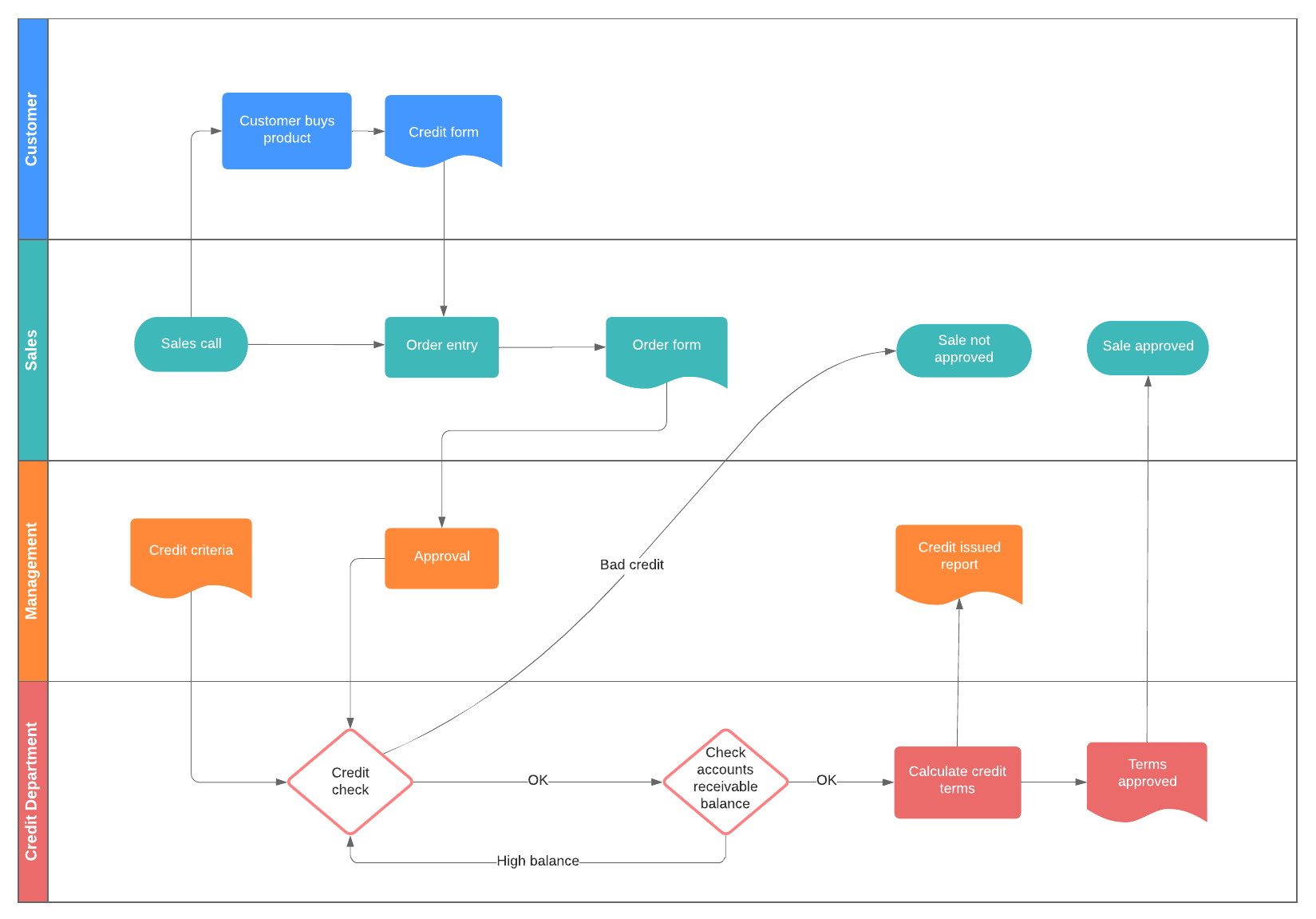
Visual output—Business process models give you an easy-to-read visual overview of processes and model designs. Running simulations based on your BPMN models lets you easily see the links among various tasks and identify where tasks may need to be added to, or removed from, the process flow. Visual outputs from simulations make it easier for you to communicate past and future changes in the process to managers and stakeholders.
-
Testing process behavior—Testing business process behavior before it is built gives you a good indication of how it will work in the real world.
-
Problem solving—Analysis of the behavior lets you see what works and what doesn’t work. It’s easier and cheaper to fix simulated problems than it is to fix real world problems.
-
Education and training—Simulations are a good, cost-effective way to give new employees hands-on practice and experience with processes and systems without having an impact on actual, real-time workflows.
-
Accurate results—The results you get from a simulation are usually accurate and can help you know what to expect when you transition the process from the virtual world into the real world.
Types of process modeling and simulations
While simulations and models are related, there are important differences between the two. A model is a physical, mathematical, or logical representation of a process or system that is used in the real world. Models are the basis for running simulations to collect and analyze data.
Simulations can be categorized into three types: live, which can involve real people and equipment; virtual, which can involve real people working with simulated systems; and constructive, which can involve simulated people working with simulated equipment.
Live simulations
A live simulation has more of a real world feel. Individuals or groups of real people work with real equipment in an environment that closely resembles the environment that they will actually be working in. With this type of simulation you want the situations to replicate actual activity as closely as possible.
For example, the military participates in “war games” to simulate real battle situations with real equipment without actually risking lives.
Virtual simulations
Virtual simulations involve real people (human-in-the-loop, or HITL) working with equipment to control a simulated environment. The outcome of the simulation is controlled by decisions and actions that humans make while operating the equipment. These types of simulations are interactive and useful for measuring motor control skills, decision making, and communication skills.
Examples of virtual simulation include flight and driving simulators as well as the video games people play every day.
Constructive simulations
In a constructive simulation, you have simulated people operating simulated systems. Real people input data for the simulation but they do not determine the outcome. The computer runs the simulation to predict possible outcomes, analyze data, generate statistics, and so on. For example, scientists use constructive simulations to predict the spread and impact of viruses.