Just like its weather-causing namesake, the cloud has a lot of real-time changes that teams need to track. For all of the cloud’s advantages, a lack of visibility into those changes introduces challenges that can increase your costs if you’re not careful. Unless organizations track usage and updates to their cloud, they can very quickly lose sight of how much their cloud is sprawling or how much the cloud is actually costing them. Greater visibility helps you keep these costs under control and helps with incident response.
Once every team in your organization knows how the cloud is being used and where optimization is needed, you will be in a better position to reduce downtime, save on your cloud budget, and improve return on investment from your cloud infrastructure.
What is cloud visibility?
Cloud visibility is having detailed insight into your team’s cloud infrastructure and usage. Given all the different processes and projects involved in development and operations, internal cloud use can be increasingly difficult to track and manage. Improved cloud visibility allows you to understand what is really going on in your infrastructure so you can more effectively manage cloud spend, optimize your cloud usage, and respond effectively to downtime incidents.
Gaining better cloud visibility can help with:
- Cloud spend: Review your usage and compare it with your cloud budget.
- Migration and changes: Plan your infrastructure migration and changes with greater insights into current architecture and limitations.
- Incident response: Pinpoint causes and resolve incidents faster.
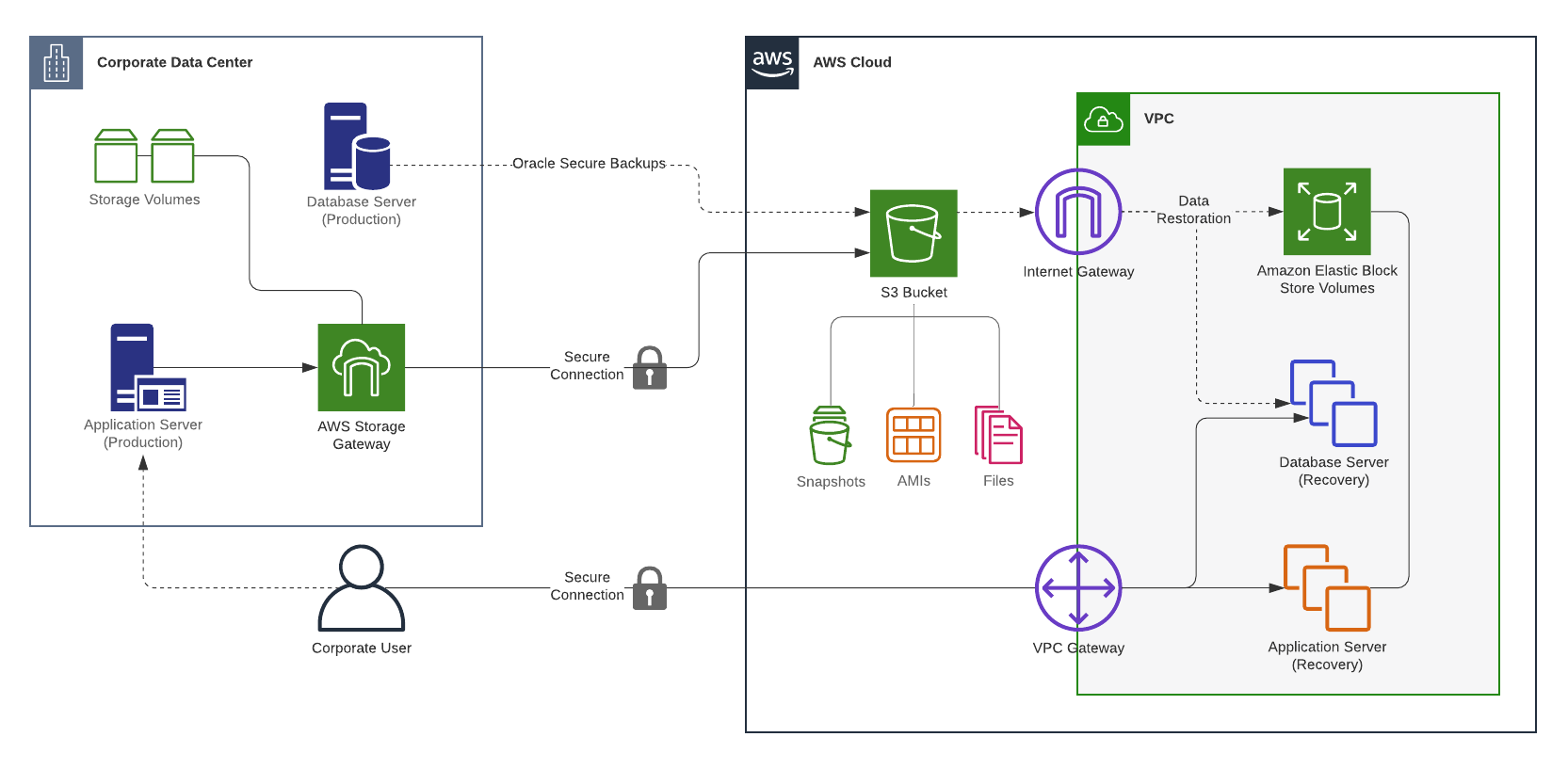
A visual view of your cloud architecture, such as cloud architecture diagrams created in Lucidscale, provides organizations with greater understanding of what is currently live in their cloud environment, all by auto-generating a cloud diagram from your cloud provider data. This improved visibility allows organizations to optimize their cloud services, such as cost, updates, and more.
Digital modernization, transformation, and cloud visibility
Other forces influence how the cloud works within organizations, too. With today’s organizations moving to the cloud as part of their digital transformation or digital modernization efforts, many teams are finding themselves with extensive cloud spend, component usage they’ve forgotten about, or cloud data without helpful analytics.
The cloud’s promise of improved efficiency and reduced costs, for many, is still unrealized or in progress—leading some IT teams to continue searching for ROI without stepping back to look at how their cloud architecture was developed initially.
You can use the cloud more efficiently. But cloud infrastructure can be notoriously challenging to review and understand, especially if you’re just picking through lines and lines of code. And without the ability to deep-dive into real-time cloud deployments, it’s nearly impossible to see what’s really going on, what to do next, and how to keep the right stakeholders informed.
The costs of limited visibility
Whenever your team is trying to guess where cloud usage can be improved upon, your organization could be adding unnecessary expense without addressing the right problems. If environments are running without knowing what is happening in the instance or across teams, then there could be significant missed opportunities to realize savings or where money is being wasted.
Not being able to see the full picture of your cloud architecture and activity (or even losing cloud instances) is relatively common, so we certainly wouldn’t judge you if you just recently realized cloud visibility might be an issue for your team.
But it’s probably something to address sooner than later. Because lack of visibility can lead to failure to respond effectively to downtime—an incident that can be costly—as much as $9,000 per minute—and may mean backtracking or continuing to lose money until issues are resolved.