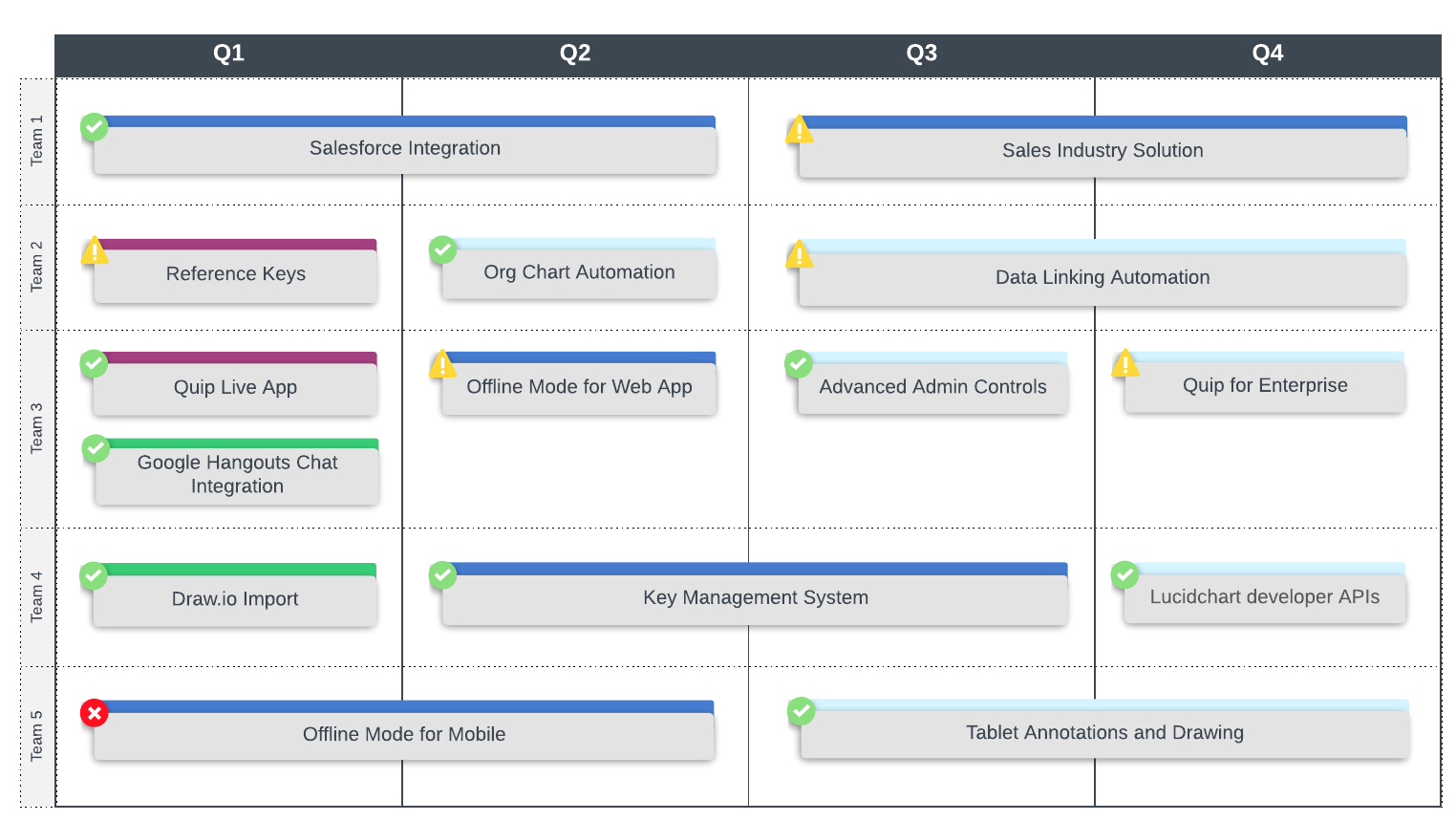
Every development team in every company has had to deal with a project that seems to take on a life of its own. Requirements, demands, and other work are added to the project without moving the release date.
There is usually a little wiggle room to work in some things that were not part of the original project scope. But too many of these unplanned additions can cause real problems with your timelines, budgets, productivity, and quality control.
In this article, we will discuss ways to prevent too many unexpected additions or changes from creeping into your projects.
What is project scope?
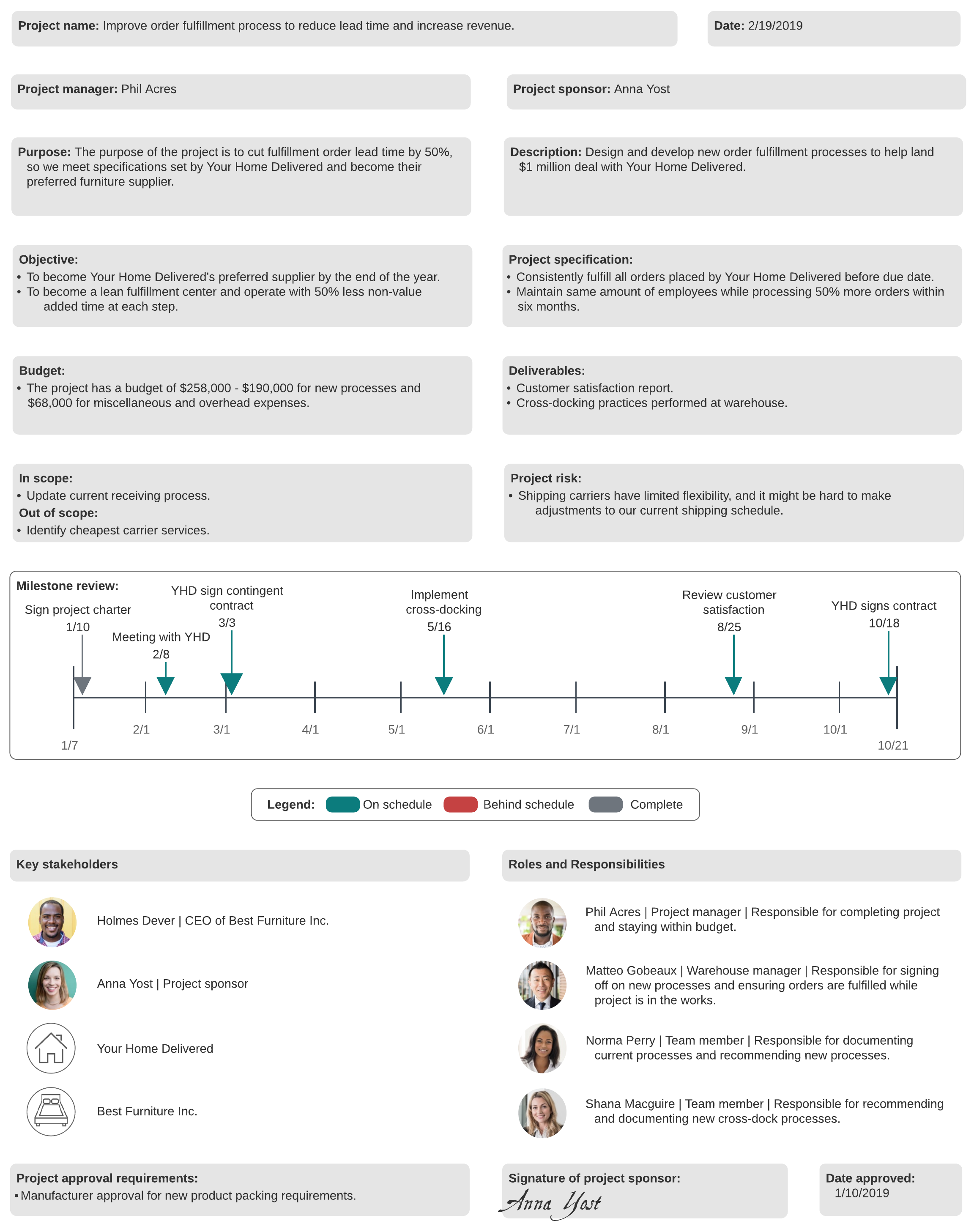
The scope in project management is the part of your plan that lists project goals, deliverables, tasks, costs, budgets, deadlines, timelines, and resources you will need to complete the project.
Your project scope is used to document the project’s boundaries, list team member responsibilities, and define the processes that will be used to test, verify, and approve completed work.
What is scope creep?
Scope creep is a term used to describe what happens when your project starts to grow beyond its original goals and boundaries. This can happen when the team doesn’t understand the project’s scope or when unplanned “must-have” features are added. It can also happen when a stakeholder requires additional features or functions without regard to the time constraints or budget.
It’s very rare that a project ever goes from inception to completion without changes being made along the way. You can usually make small adjustments that will keep you on track. But if there are too many change requests—if you need to throw more resources, money, and time at the project—that’s when scope creep can cause you some real problems.
How can you build flexibility into your scope?
Because you know that there will likely be some scope creep, you might want to plan for a little flexibility when you define the scope to address minor changes. That doesn’t mean that you should plan for changes to the scope, schedule, and budget. Instead, you need to determine which boundary in your project is flexible.
To do this, use the triple constraint theory (also called the project management triangle), which states that when one boundary is flexible, the other boundaries are constrained and can’t be moved.
For example, if your schedule and budget are constrained and can’t be changed, then the scope is required to be flexible. Therefore, you will need to weigh feature and function requests against time and budget. If you need more money or more time to add a feature, then that feature will have to wait for another iteration. If the new feature is a must-have, evaluate which other features can be removed from the scope to keep the project on time and within budget.
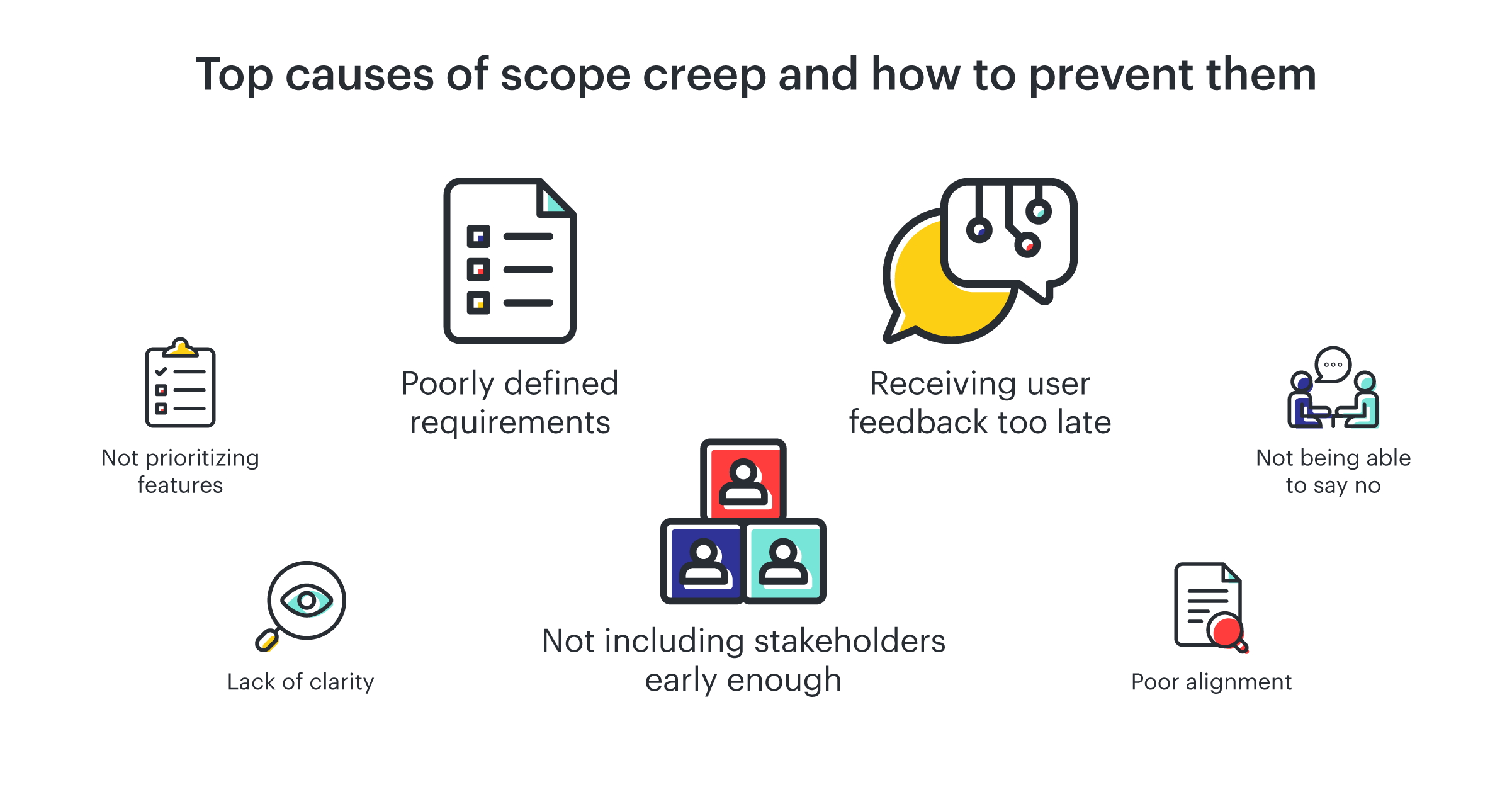
What are the top causes of scope creep?
There are several different reasons that scope creep can afflict your project, such as a poorly defined scope document, not being able to say no, and so on. Often, it all comes down to trying to keep customers, management, and other stakeholders happy. But this can raise your team’s stress levels and be detrimental to the project’s success.
To work toward a more stress-free environment, let’s discuss some circumstances that can lead to scope creep and what you can do to avoid them.
Lack of clarity or poorly defined requirements
Your scope needs to be clear and detailed from the beginning. But you also need to make sure that you don’t write your project scope statement before you have defined the requirements that the project will need.
If you haven’t fully researched the requirements, your scope will be based on assumptions and vague ideas rather than stakeholder needs, which is a sure way to invite scope creep. So don’t be surprised if customers, executives, managers, and even some team members start defining the project in their own ways.
How to avoid scope creep: Postpone the project until you do a full requirements analysis. Then write a detailed project scope statement or project charter that clearly defines schedules, budgets, the work that needs to be done, the team members who need to do the work, and the resources needed to complete the job.