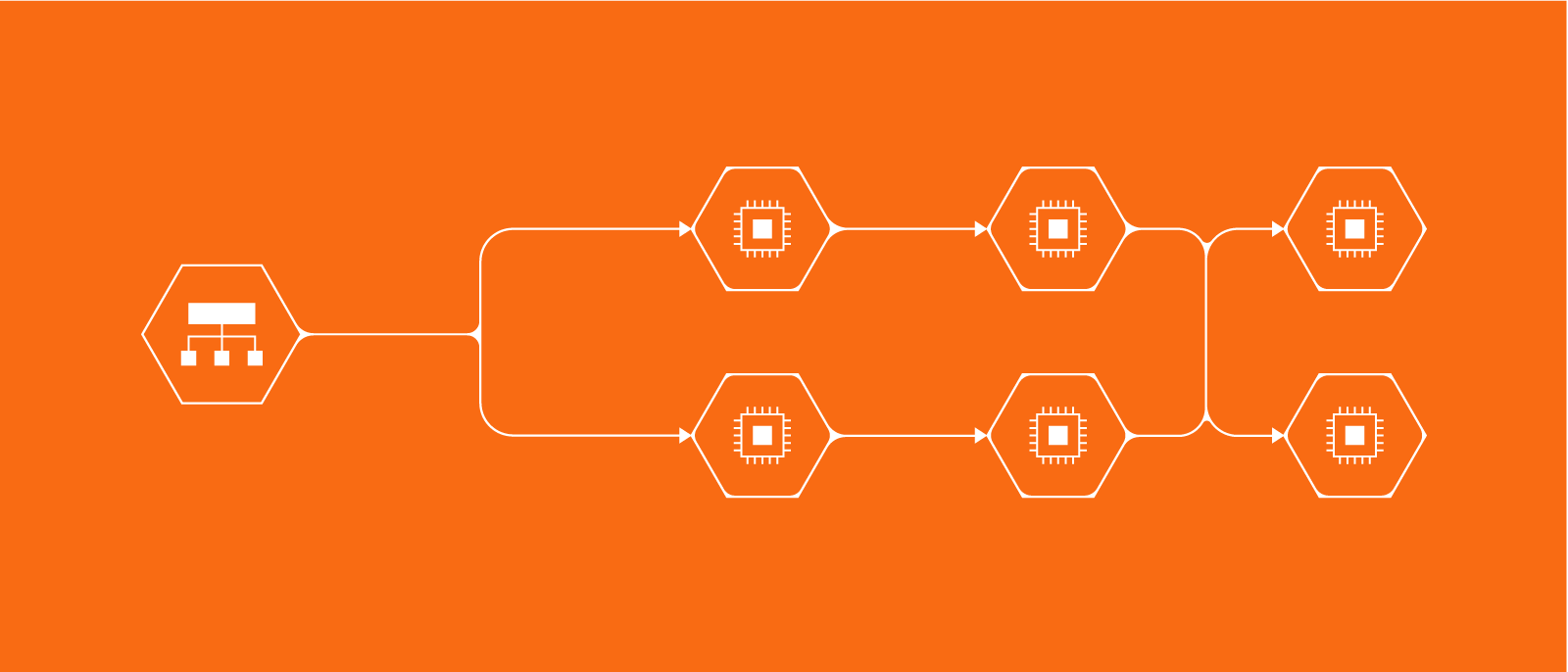
When you’re designing an app, you can use visuals to help build out the details. Using wireframes, you can visualize your app’s actual interface through informal sketches. Visuals help teams efficiently collaborate on their app and create mockups to show user focus groups, upper management, and other stakeholders.
Identify the goals and objectives of the app
To design and build your app, your team needs to understand the specific goals and objectives behind the application. This information builds the app's scope and enables further project planning. Goals and objectives typically mention functionality even if the precise features haven't been determined yet. Your organization's mission and vision for the app are a starting point. From there, you can begin prototyping and developing the next phase of your planning.
- Reason for the app: Is there a core problem or challenge the app is trying to solve?
- Evaluating the competition: How are users currently solving the problem your app is designed for?
- Design process priorities: What are your priorities for the design and planning process?
Through your app planning process, you can incorporate audience research, user preferences, and other key information. Depending on what your users want, you can sketch out must-have features and design elements. Define your app’s scope by using demographic information, qualitative surveys, and any anecdotal or numerical data.
Research your potential users to understand who they are, what they are looking for, and what use cases your application will be used for.
- Demographics of users: What types of characteristics do your users have? Where do they live and work? What are their work roles?
- User personas: Based on your research, you can develop descriptions and analysis of typical user categories that can guide you through your project planning around user needs.
Plan the app UX
By mapping customer journeys inside your application’s interface, you can look for potential design advantages and disadvantages, determining what would appeal to users. Developers get an at-a-glance perspective of how their code fits into the full project so they do not forget what specific requirements their code needs to cover.
How will the process flow work?
Process flows can have many different steps, increasing the complexity of the overall project without a strong visual overview. As you develop your process flow, streamline it so that the only steps involved are highly specific and represent the core features you need. From there, you can always add additional functionality later.