There are over four million apps available for download today. If you are among the many companies or entrepreneurs who want to add their unique app to the marketplace, you may be wondering where to start.
Creating a mobile app isn’t easy. But with careful research and planning (and some good old fashioned elbow grease), you can take your app from idea to launch in just a few months.
Whether you have a team of designers, engineers, programmers, and developers behind you, or you’re a solo entrepreneur hoping to pitch a functional prototype to investors, use the following step-by-step guide to plan your next app project.
Step 1: Define your business plan
The first step to any development process is fleshing out your idea. Before you even look at a wireframe or line of code, you need to define your app idea and outline your business case.
In other words, you need to specify exactly what you want to do and how you’re going to do it.
Consider the following questions:
- What problem am I trying to solve with this app?
- What are the goals for the app?
- Who is my target audience?
- How much competition is in this space?
By clarifying these questions from the beginning, you can use the answers to guide your decisions throughout the app development process. For example, the goals you set now will help you identify which features to prioritize and can even direct your decisions on what platform or monetization model you use.
Step 2: Research and validate
With your basic idea and business plan in place, you can dive into research. This is a critical step because if you don’t validate your idea, you could end up creating and launching an app that no one needs or wants.
Research your target audience to learn what their pain points are. What do they need or want that your app can fulfill?
This is also the time to dig deep into your audience’s behaviors. In addition to the basic demographic info (age, gender, location, etc.), learn how they use and interact with technology. For example, what is their preferred OS or platform (e.g., Android vs. Apple)? What apps are they already using?
Research may not be the sexiest part of app development, but your app will be better for it.
Step 3: Identify solutions
Once you’ve validated your ideas and you have a strong grasp of your target audience’s needs, start brainstorming solutions. What are some ways your app can solve their problems?
Be sure to get your whole team on board for the brainstorming process. Document your ideas in one central place so everyone has access and can easily share feedback or add to it.
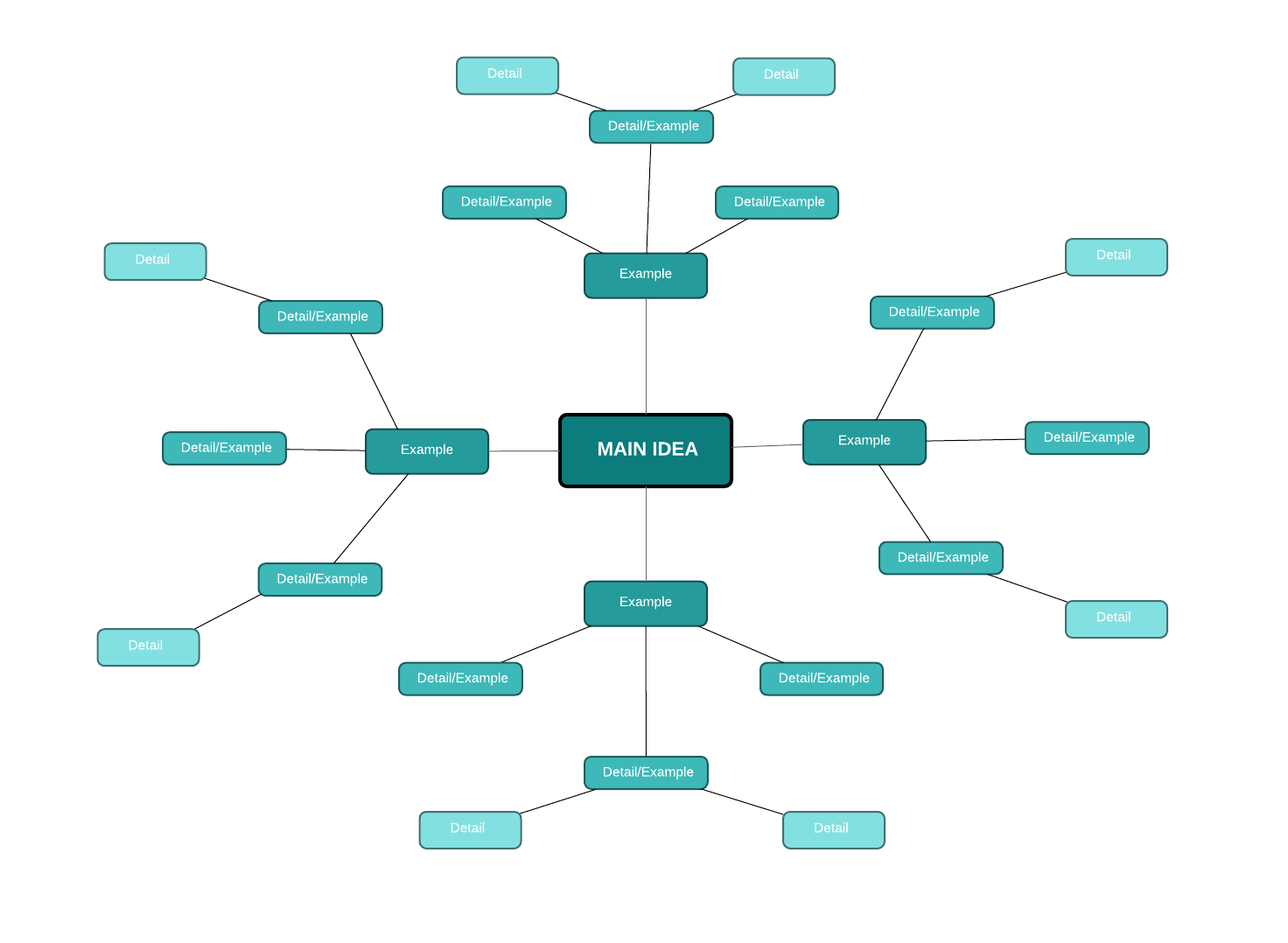
Consider recording your brainstorming session as a mind map to help organize and structure your ideas. A mind map starts with a central idea (in this case, the core issue you’re trying to solve with your app) and logically expands outward into branches as you add your ideas.