Manage expectations early
As their name implies, customer success managers are responsible for and measured by the success of every customer. It’s also important for the sales rep to set them up to do that job well.
Before handing a new customer off to CS, sales reps should get proper buy-in on next steps and set clear expectations for the onboarding process and the work the client needs to do.
Sales and CS can work together to audit the onboarding process and find ways to make onboarding easier for the customer: Consider staggering key milestones to break up the work on the client side or look for ways the CSM can take on the burden of the implementation. Create a mutual action plan for implementation to lay out deliverables and timelines to hold everyone accountable.
Encourage sales and customer success collaboration
Countless articles exist on the challenges of sales and marketing alignment—or lack thereof. In some cases, the value sales reps are communicating to potential customers is not aligned with CS operations, which can lead to misaligned expectations during the onboarding process.
Head off any misalignment by building trust between the sales and success teams and finding ways to facilitate better collaboration and information sharing. Sales can collaborate with CS to find the value drivers and experiences that make the most impact for existing clients to ensure sellers are selling to the right kinds of customers. In turn, CS can offer sales support to help deals move across the finish line quickly and ensure a seamless customer experience.
How to best transition from one CSM to another
Customer success managers aren't just on-call resources. Customers expect them to be intimately familiar with their business and become true extensions of their team.
This level of engagement means CSMs end up carrying a lot of tribal knowledge on each of their customer accounts—knowledge that can be lost when an account needs to transition to a new CSM. Too many handoffs or transitions can also signal dysfunction in your organization, which can erode the trust of your customers.
Whenever a CSM transitions off the account, you want to make sure that you maintain the customer relationship they’ve built. Transitions are also a great opportunity to reset expectations and start fresh if the relationship was a bit rocky.
Here are some steps to nail the handoff process between one CSM to another.
Keep your customer in the loop
Consistency is key to customer success. Whenever possible, avoid turnover on customer accounts to communicate stability and keep tribal knowledge intact. However, there are many reasons you may need to adjust the organizational structure of a customer account, from shifts in company strategy to employee churn or promotions.
A good rule of thumb in these circumstances: Don't catch your customer off guard. It's important to give the customer as much notice as you can before an account transition so they feel included in the process and comfortable with the timeline of any changes.
It's also a good idea to include the new CSMs on phone calls and communications with the customer during the transition. This will provide both the current and new CSM time to pass off knowledge, build trust with the customers, and ensure a seamless transition.
Set clear expectations
Internally, establish clear expectations and roles and responsibilities for customer handoffs. Establish non-negotiable requirements for the handoff, so the customer does not need to repeat themselves. Document key information in your CRM, and agree on which meetings need to occur to transition the relationship at the right time. Document everything and keep your teams accountable to the process.
Once the handoff is complete, expectations for customer engagement should be clear if sales and CS are aligned. However, it’s still important to clearly communicate any upcoming dates and milestones in the onboarding process, and throughout the customer lifecycle.
Pass off all customer knowledge
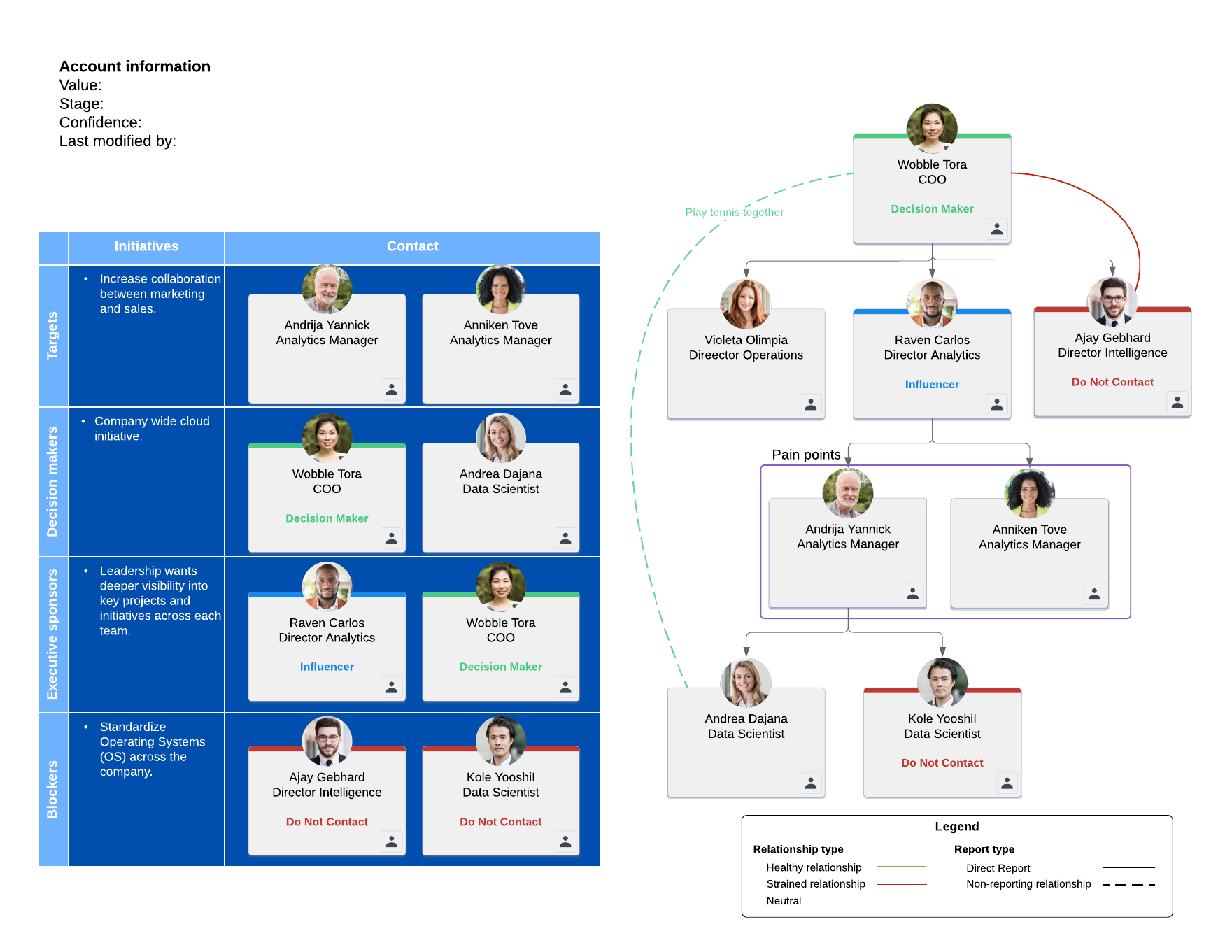
Again, account maps are a good way to keep track of the champions, buying team, and key players on any customer account. These maps help any new CSM understand where to go when it’s time for renewals, and where to focus their attention.
During the lifecycle of the account, CSMs should also keep detailed notes to help with any inevitable future handoffs. Everything from client background details to technical history to the communication styles and preferences of the main points of contact should be documented and passed along.