3. Focus on solving problems, not deliverables
One of the biggest mistakes salespeople make is focusing too much on the product or service’s deliverables rather than the prospect’s problem.
Remember, selling isn’t about you. It’s about them.
In your proposal, emphasize your understanding of the problems they’re trying to solve, and then demonstrate how your solution is the best way to address those problems. This is much more compelling to a prospective buyer than a laundry list of features and benefits.
If you don’t take the extra step to connect those benefits to the client and their specific pain points, you are forcing them to do the work of figuring out how your solution will serve them. And that’s a recipe for a lost deal.
4. Give them options
Traditional proposals offered one solution. But you could be leaving money on the table if you don’t provide multiple options.
For best results, propose three solutions at different price levels. This strategy gives you an advantage because it allows you to offer a range of prices, including a higher-tier offer (which may not have been possible in a one-offer proposal).
Additionally, by giving your prospective client multiple options within one proposal, they are less likely to shop around at your competitors. This effectively sets you up as your own competition, creating a win-win scenario for you. Plus, when they have options, prospects feel more satisfied with their ultimate decision because they had more information and context when making their choice. In fact, merely giving them a comparison between solutions at different tiers often leads to closing deals at a premium price.
By weighing each solution at various price points, the prospect can better gauge the value of the solutions you’re offering and feel more confident in the one they choose.
5. Order prices high to low
If you’re writing a proposal, chances are that your solution has enterprise-level costs, so even your lowest priced offer may bring initial sticker shock for your prospect.
One strategy to avoid scaring them off (or leaving them with increasing dread) is to list your price points from highest to lowest.
By starting with your most expensive option and working your way down, you avoid escalating an initial adverse reaction. On the other hand, if you start low and work your way up to your highest priced solutions, your prospect may feel increasingly defensive (and less likely to close the deal with you).
Though simple, this psychological strategy can go a long way toward cultivating positive reactions to your proposal.
6. Use visuals
Human beings are visual creatures. The brain processes images 60,000 times faster than text. Use this to your advantage.
Not only do visuals break up the monotony of a text-heavy proposal document, but they can communicate information faster and more effectively at the same time. In fact, presentations using visual aids were found to be 43% more persuasive than unaided presentations, according to a study by the University of Minnesota.
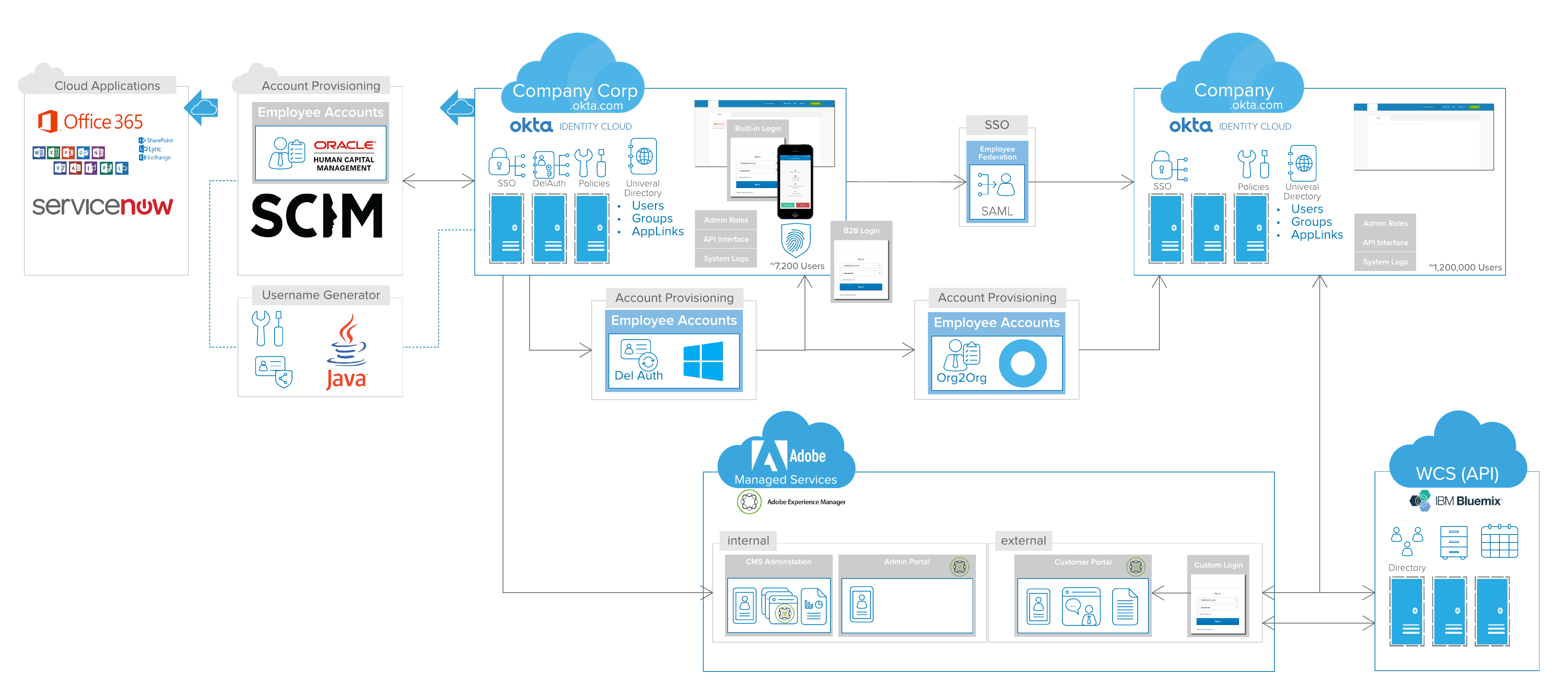
Include relevant visuals such as graphs, flowcharts, or tables to present data and break down complex ideas. These visuals might include current and future state diagrams, a project roadmap, or documentation illustrating how a solution will be implemented.
Keep in mind that any visuals you use should look professional and on brand. Coordinate color schemes, fonts, and graphics so your overall proposal is cohesive and your organization appears more capable and credible.
Lucidchart helps busy sales teams craft beautiful and professional visuals quickly and efficiently. Take your proposal game to the next level and start a free trial today.

7. Keep it simple
Our brains are wired to prefer simplicity and ease of thinking. This preference is called cognitive fluency (or processing fluency) and influences how we make decisions and judgments every day. In other words, we trust people and things that feel familiar or straightforward to us.
And it is this bias that can make or break your proposal.
If your proposal is dense, hard to read, or hard to understand, prospects will be less likely to buy from you. They have to work harder to get the information and evaluate it. To avoid this reaction, make sure your proposal is simple. You might try:
- Eliminating or replacing technical jargon with more natural layman’s terms.
- Adding visuals to break down complex topics.
- Making connections for the prospect (so they don’t have to) regarding their problems and your solutions.
- Organizing your proposal into sections with clear titles and headlines.
- Making the proposal available in both digital and print versions for easy access and sharing.
- Adding a clear call to action or stated next steps, so the prospect knows what to do.
By reducing the mental work for your prospect, you increase your chances of landing the deal.
Use Lucidchart to nail your sales proposals
While Lucidchart can’t write your proposals for you (sorry!), it can make the process easier and more effective.
Draft your charts, diagrams, and other visuals right in Lucidchart and then share your insights with prospects through whatever platform they prefer. Lucidchart integrations let you quickly embed visuals in Microsoft Office, G Suite, and other programs so you can put the proposal directly in the prospect’s hands.
Whether you need to create compelling visuals to illustrate your data and emphasize key points or map out organizational relationships to identify key stakeholders and decision makers, Lucidchart helps sales teams create proposals that look good and get in front of the right people.