What is a mood board?
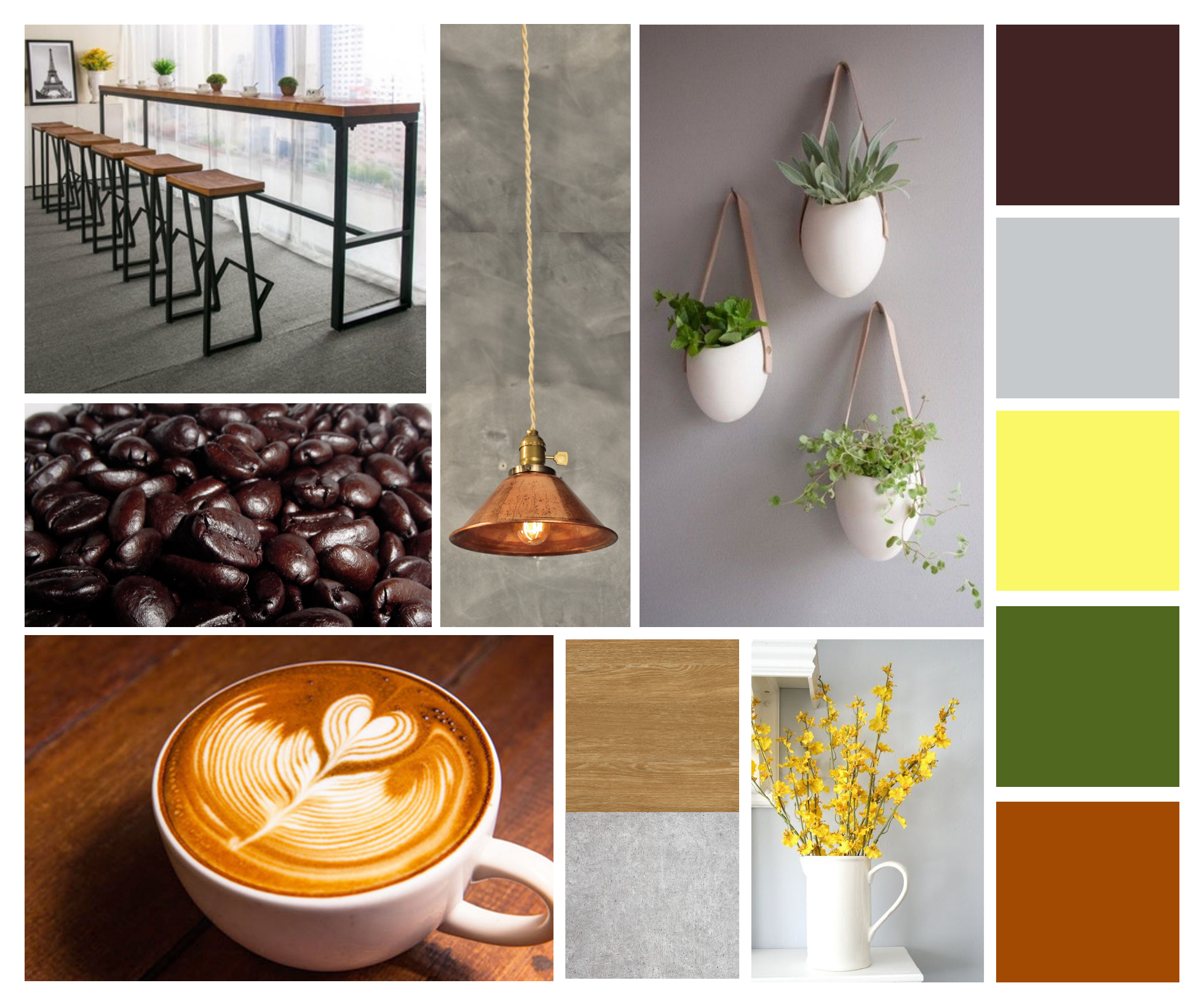
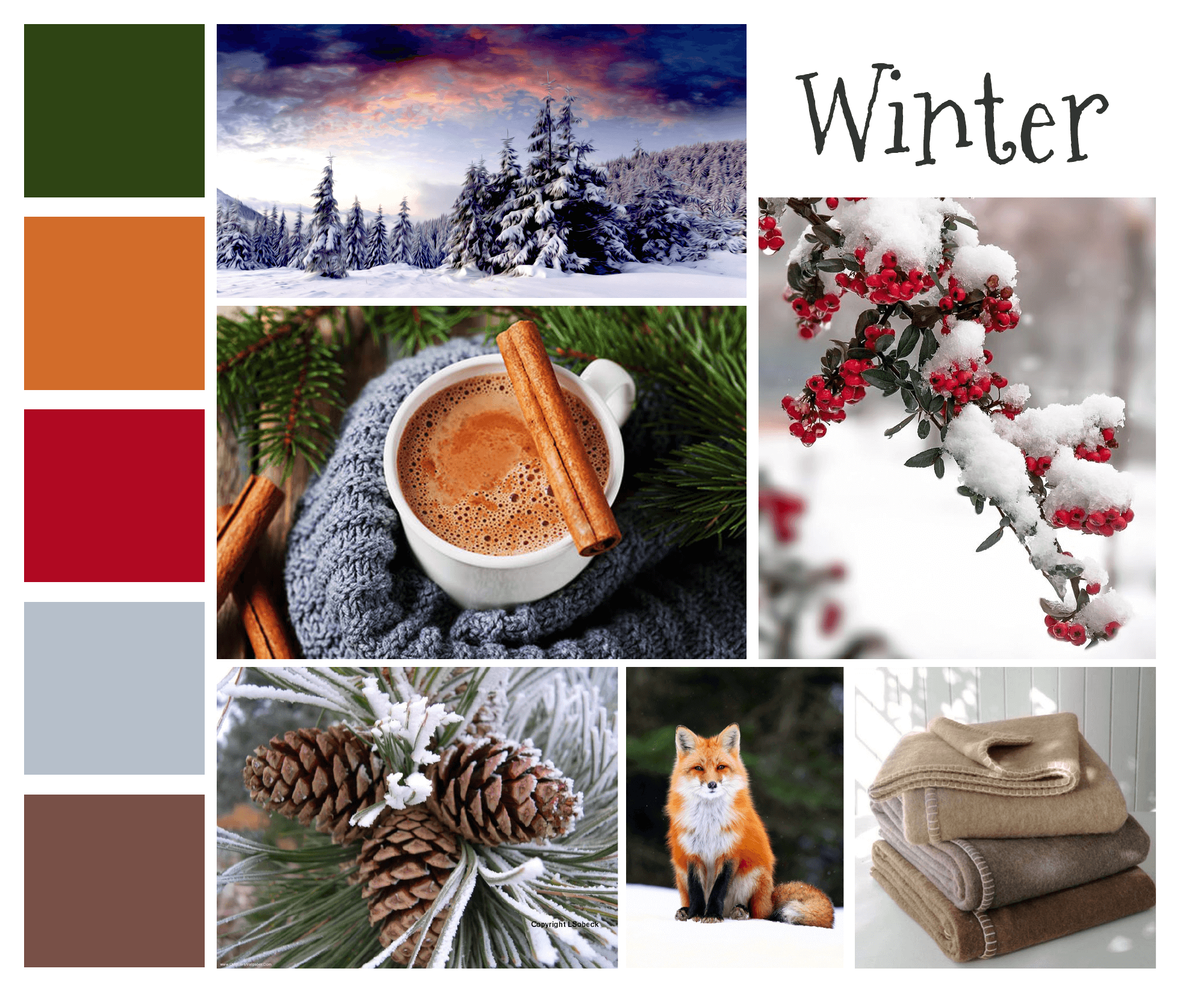
A mood board (also called a vision board or inspiration board) is a compilation or collage of images, artwork, colors, words, and typography that communicate a vision, message, and overall mood for a project’s style or design.
Though anyone can make one, mood boards are particularly popular tools among creative professions like design and marketing that often need to communicate abstract concepts like style and tone.
For example, brand strategists use mood boards to help set the look, tone, and voice of a brand.
When to use a mood board
One of the best things about mood boards is their versatility. You can use a mood board for both your personal and professional pursuits, either individually or within a team.
Create a mood board to:
- Spark inspiration for your next project.
- Define your creative direction.
- Confirm your brand style.
- Communicate your ideas.
While many individuals like to use mood boards to direct their creativity, mood boards aren’t just for solopreneurs or art departments.
In fact, mood boards are a great way to communicate abstract ideas to a range of teams across an organization, including more technical groups like developers. Using visuals helps bridge the communication gap between teams who may work under different vernaculars (like marketing and development).
This is also why mood boards work well for presentations to clients—often clients do not know the jargon or industry vocabulary to communicate what they want. But they know it when they see it. Mood boards translate those concepts into a visual language everyone can understand.
What to include on your board
Every mood board is different. Depending on the mood or style you’re aiming for, you might include any combination of the following.
Photos and imagery
Photos and other artistic imagery are one of the most powerful elements of a mood board. However, not all images are created equal. As you search the Internet (or your own camera and artwork), choose only the highest quality images that reflect your target vision.
Art
Art is a great way to create emotion on your board. The specific artist, style, and even time period of the artwork can evoke powerful and different reactions.
Words
Use words, phrases, or even short quotes to convey a general feeling or help further define your project’s style or brand. Make sure that you tailor your board so that the words you choose complement and enhance the other elements in your collage.
Typography
Perhaps just as important as what words you use is how those words (or letters) are styled. Typography and font choice is an effective way to communicate tone and personality on your board. Just think how different a Comic Sans mood is compared to a Copperplate Gothic.
Textures
Adding texture to your board can add depth and evoke different emotions. Consider adding textured paper, fabric, craft items, and even objects from nature (like flowers). If you’re making a digital board, add pictures of these elements.
Patterns and shapes
Play with patterns and shapes to create (or disrupt) movement, symmetry, and energy on the board.