On the best days, being a project lead feels like leading a small band of wunderkinds who work as a cohesive unit to accomplish magnificent things. On the worst days, though, being a project lead feels like being the only person in a high school group project who shows up to class.
Thankfully, with the right tools and tips, all of the frustrations that project leads experience can be solved or prevented. You’ll have less stress, more transparency, and greater peace of mind, all while accomplishing the greatest version of your project.
Read on to discover how to make project manager challenges a thing of the past.
The most common challenges in project management
Every job comes with its share of downsides, but at least these challenges are a common and easily solved reality of being a project lead. Here are pain points you’re likely to experience as a project leader, plus tips for solving them (you didn’t think we’d leave you hanging, did you?).
1. Juggling multiple projects and many tasks
It’s probable you aren’t just dealing with one project. And even if you only need to manage a single project at a time, you’ll be quickly swamped by dependencies, tasks, and deadlines. Not only do you need to keep this information straight, but you also need to relay it to stakeholders and everyone else involved with the project.
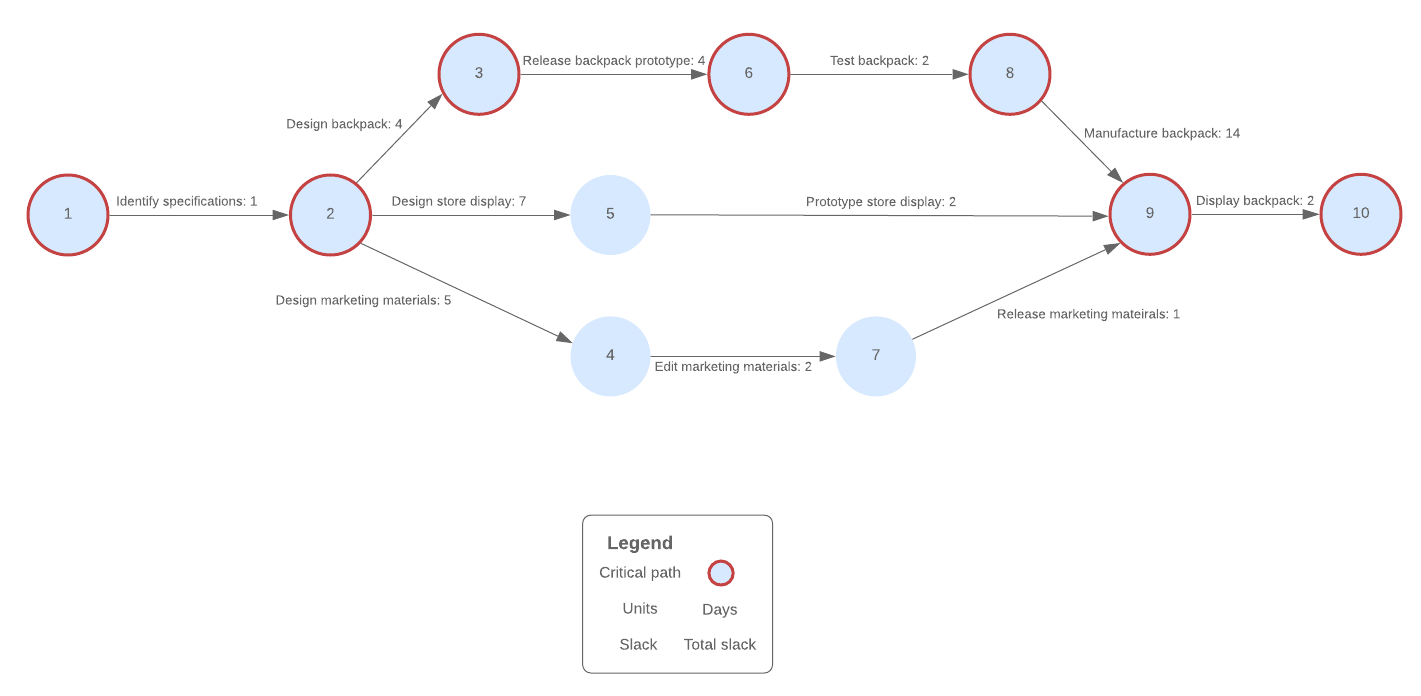
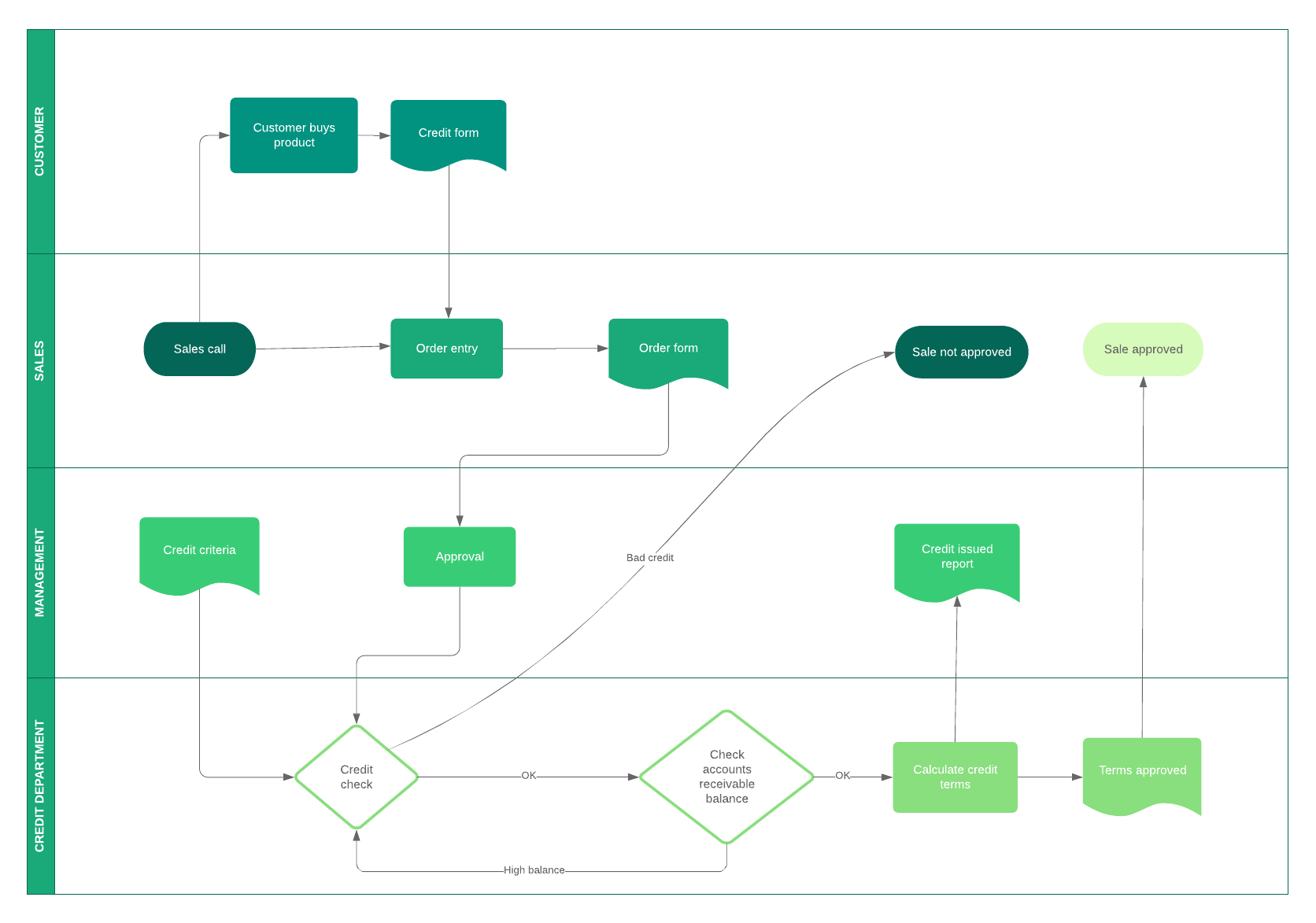
Solution: Get organized. Some feel like the hallmark of an exceptional project lead is to keep everything in their head, but that’s just reckless and unmanageable. Use project management software—in conjunction with process flowcharts, Gantt charts, and similar project management visuals—to document the entire project and its dependencies. You’ll have instant oversight and bring clarity to the complexity of a project.
2. Accurately estimating workload
Incorrectly estimate how long a project will take, and all of a sudden your team is working overtime, your project is overdue, and your stakeholders are sending out increasingly stern emails. An inaccurate estimation of workload can hit your bottom line hard.
Solution: Use tools such as PERT charts or story points to involve the team and get a more realistic idea of how much time tasks will take. You shouldn’t be estimating on your own: instead, ask the team for realistic expectations, and you’ll have a much more accurate estimate.