Life is full of turning points—and some of the best stories include many of them. Turning points often jump-start necessary growth and change, even if they initially throw you for a loop.
When it comes to business, we can call this need to change a strategic pivot, and it's not as daunting as it may sound. Whether you're considering a simple name change, a full rebrand, or building out an entirely new revenue model, it's not uncommon for businesses to reach a pivot point that requires a shift to ensure the company can stay successful.
Let's dig into what businesses need to know to quickly and effectively pivot strategy.
What does it mean to pivot your business?
Market conditions are ever-changing, and sometimes even the best-laid plans require another look. The most successful businesses may see numerous strategic pivots over the lifespan of the business. A pivoting approach in business means that you reassess your business model's basic assumptions and tenets against new information—and adjust your plan accordingly.
Determining when you need to pivot your strategy
Strategic pivots are sometimes the result of a faulty business model or strategy. However, it's important to remember that not all "failures" result in business failure. Instead, companies can use the shortcomings of previous decisions or plans to inform and improve a strategic pivot.
Other times, a business needs to make a strategic shift due to circumstances outside of its control. Take the COVID-19 pandemic, for example. In just a few weeks, most businesses—from small shops to giant enterprise organizations—needed to shift to remote work or quickly find ways to keep employees on the payroll.
So how do you know when you need to pivot your strategy? If key indicators highlight that a shift is on the horizon, it's best to evaluate whether the pivot will be a large, organization-wide change or a more simple change. Is your team maxed out? Are productivity and retention taking a hit? It may be time to restructure your teams and secure some more headcount. Is your customer base changing or jumping ship and heading to your competition? Maybe it's time to reevaluate your customer's current needs and the way you're connecting with them. Do you find yourself slowed down by legacy systems and processes? A full digital transformation is likely necessary for you to keep pace with your competitors and meet your customer's expectations.
Here are three common ways to pivot your business and how you can execute them effectively.
Pivot your vision
A vision pivot is likely the most holistic and most challenging type of strategic pivot. As a result, it will require more coordination and collaboration across the organization.
A holistic vision change can be necessary due to an emerging technology that makes your offering obsolete. Or perhaps you've made many small pivots that have changed your organization's strategic direction. When making a visionary strategic shift, it's essential to look at as many data points as possible before pivoting—loop in key stakeholders, investors, and advisors to help you avoid surprises or missteps.
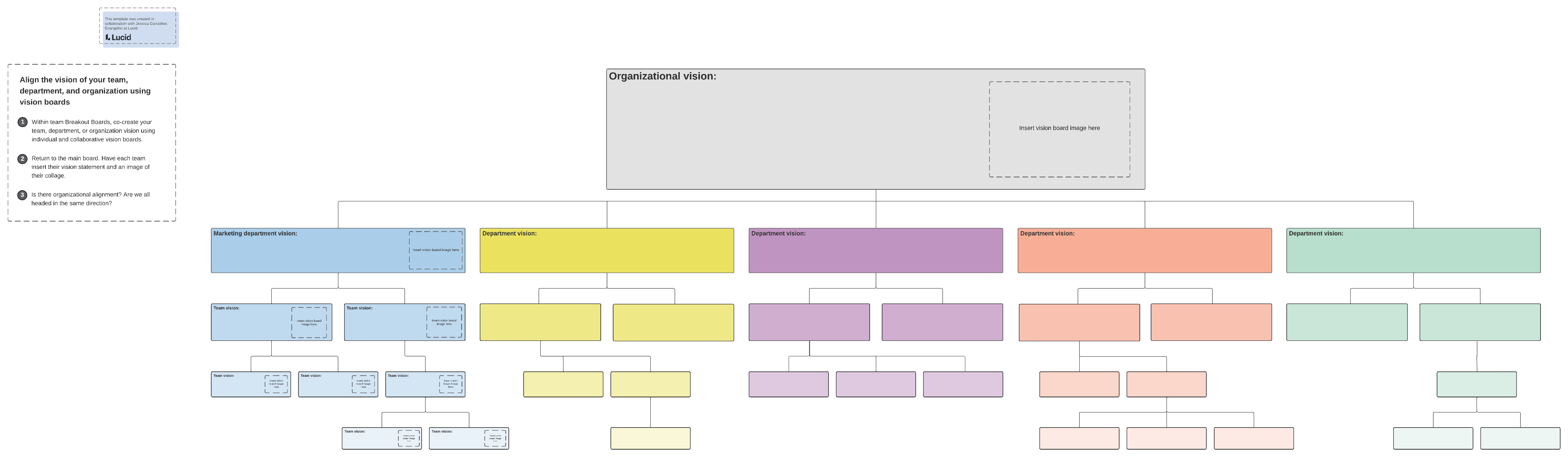
Get started on your vision pivot with a vision alignment template: