Let’s break it down.
Determine organizational vision
A vision describes what the organization will look like in the future and directs the goals, initiatives, and decisions throughout the company.
Every organization should have a documented vision. If you aren’t aware of what yours is, talk to the organization’s leadership and get a copy. As you work towards aligning and prioritizing your projects, keep this vision top of mind. It will focus and direct your efforts as you evaluate each initiative.
Outline a strategy to execute that vision
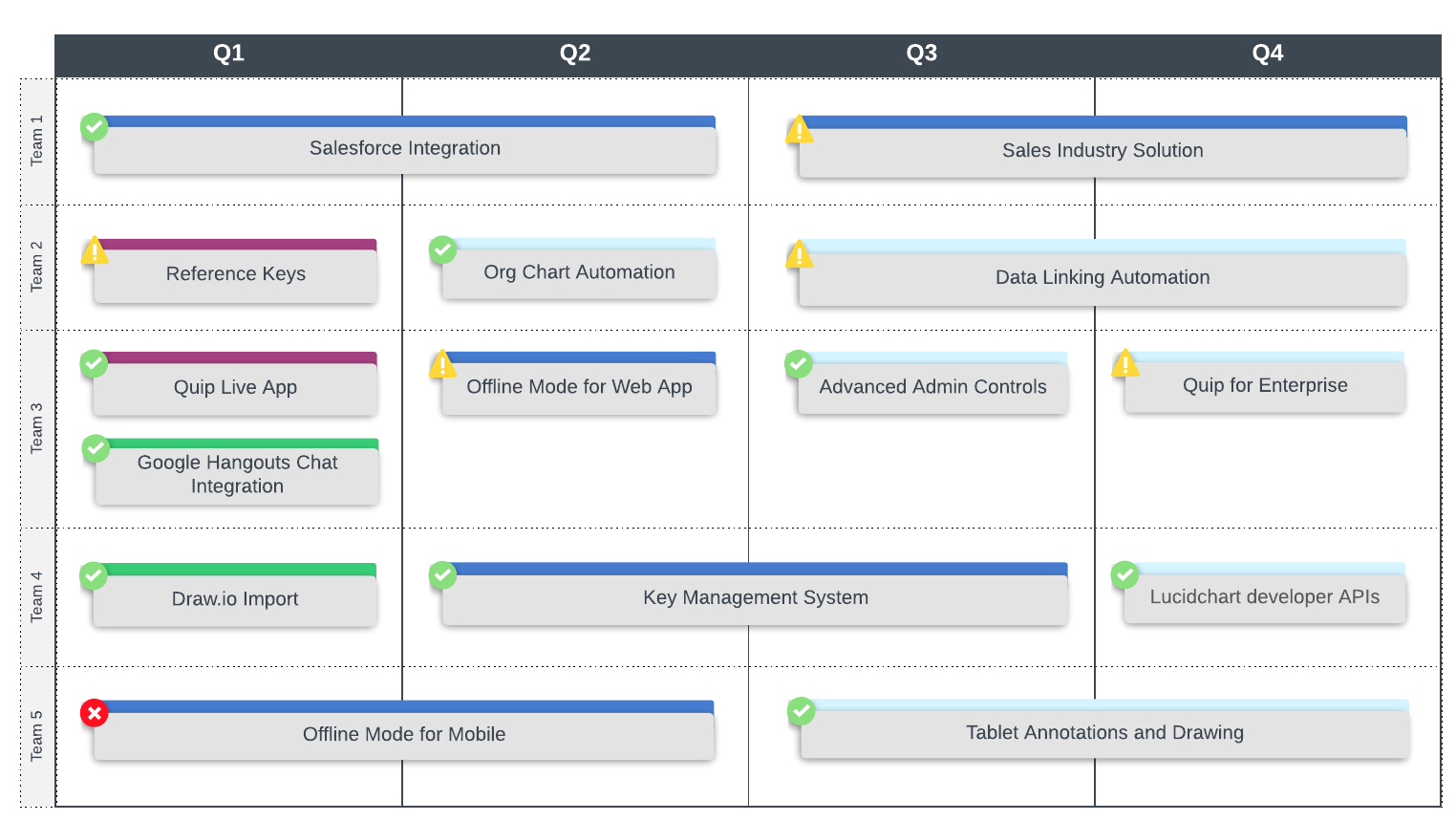
Once you know where you want to go, you can create a strategy to get there. A strategy breaks down your vision into actionable steps, including high-level projects and initiatives to achieve those goals. In other words, it is your roadmap for success.
An organizational strategy encompasses the high-level, long-term goals for the organization. Common corporate strategies include:
- Growth
- Diversification
- Stabilizing
- Retrenching
- Horizontal or vertical integration
For example, a growth strategy might involve opening new business locations or building your customer base.
Whatever your overarching strategy, be specific in your goals and outlined approach. The better you can define your strategy, the easier it will be to create and prioritize projects to meet those goals.
Prioritize projects based on vision
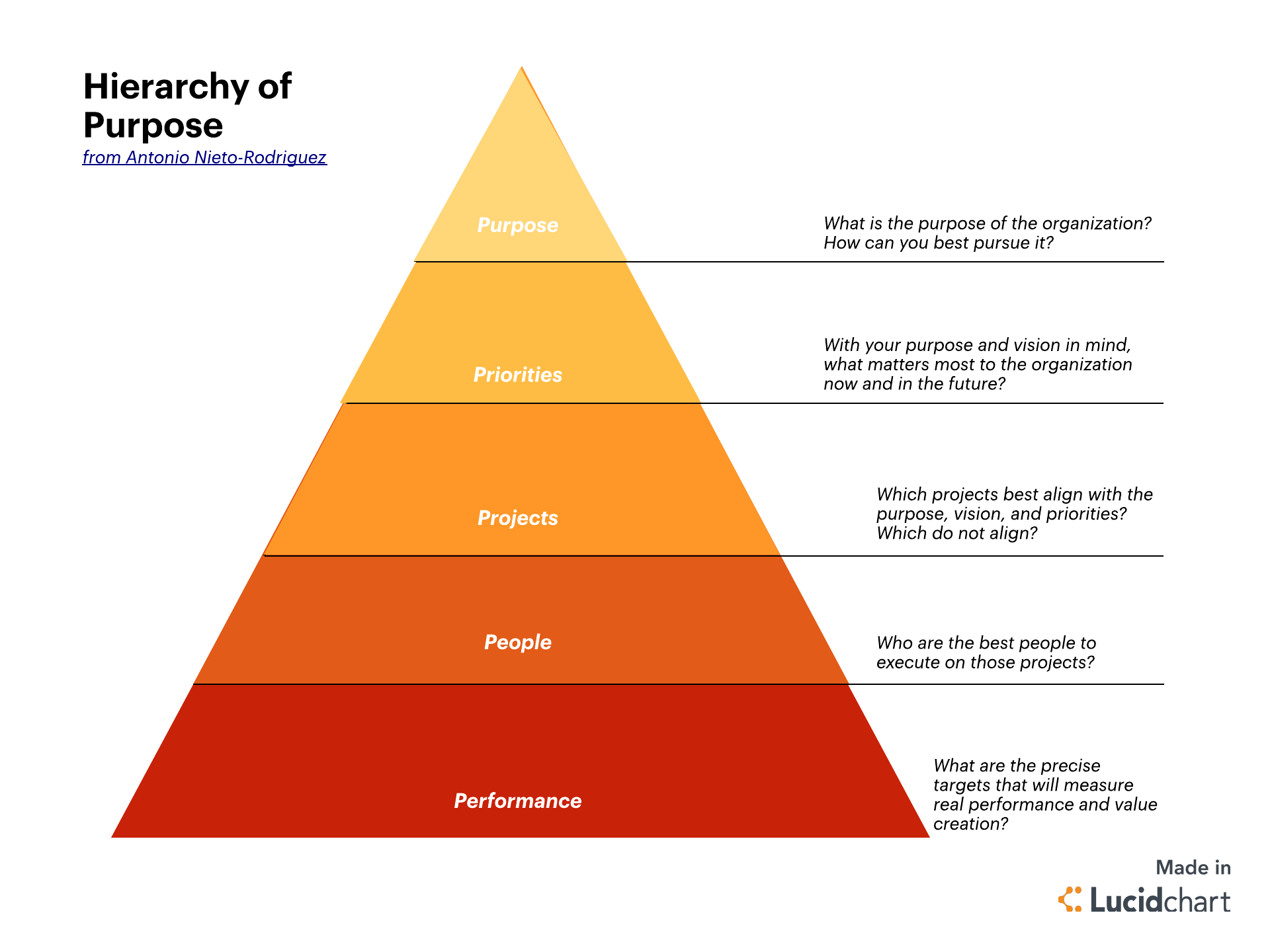
With a clear vision and outlined strategy, you can more effectively prioritize projects that best align with your organizational goals.
Here are a few steps you should include in your prioritization process.
Take inventory of on-going projects
Before you can prioritize your projects, you need to know exactly what projects are in progress. Take inventory of on-going projects and initiatives across the organization (or your own team or department if you’re a project manager).
As you take inventory, evaluate each project and make sure all projects have a clear scope and project plan. This evaluation will help you recognize projects that are on track and well aligned versus projects that are wavering.
Eliminate or adjust projects as needed
Keep in mind that not all projects that initially got the OK to launch are worth pursuing. Sometimes it’s better to cut your losses so you can refocus your attention and resources on more meaningful and impactful initiatives.
Review your project inventory and cut (or redefine) projects that do not align with the organization’s vision and strategy. All projects should have:
- A clear goal
- Strategic alignment
- Key deliverables
Get senior-level buy-in
Executives and other organizational leaders should communicate with project managers on strategic goals and help to prioritize initiatives and allocate resources.
Create a flowchart (decision tree) to prioritize projects
Successful prioritization allocates resources (time, money, people) in a way that maximizes benefits. But it can be difficult to determine how to allocate your resources when you’re faced with pages of project plans and timelines.
To make this process easier, use flowcharts or decision trees to walk you through the process. By visualizing the data and following a prioritization roadmap, you can more easily identify project needs like gaps in alignment and ensure the right people are assigned to the right tasks at the right time.
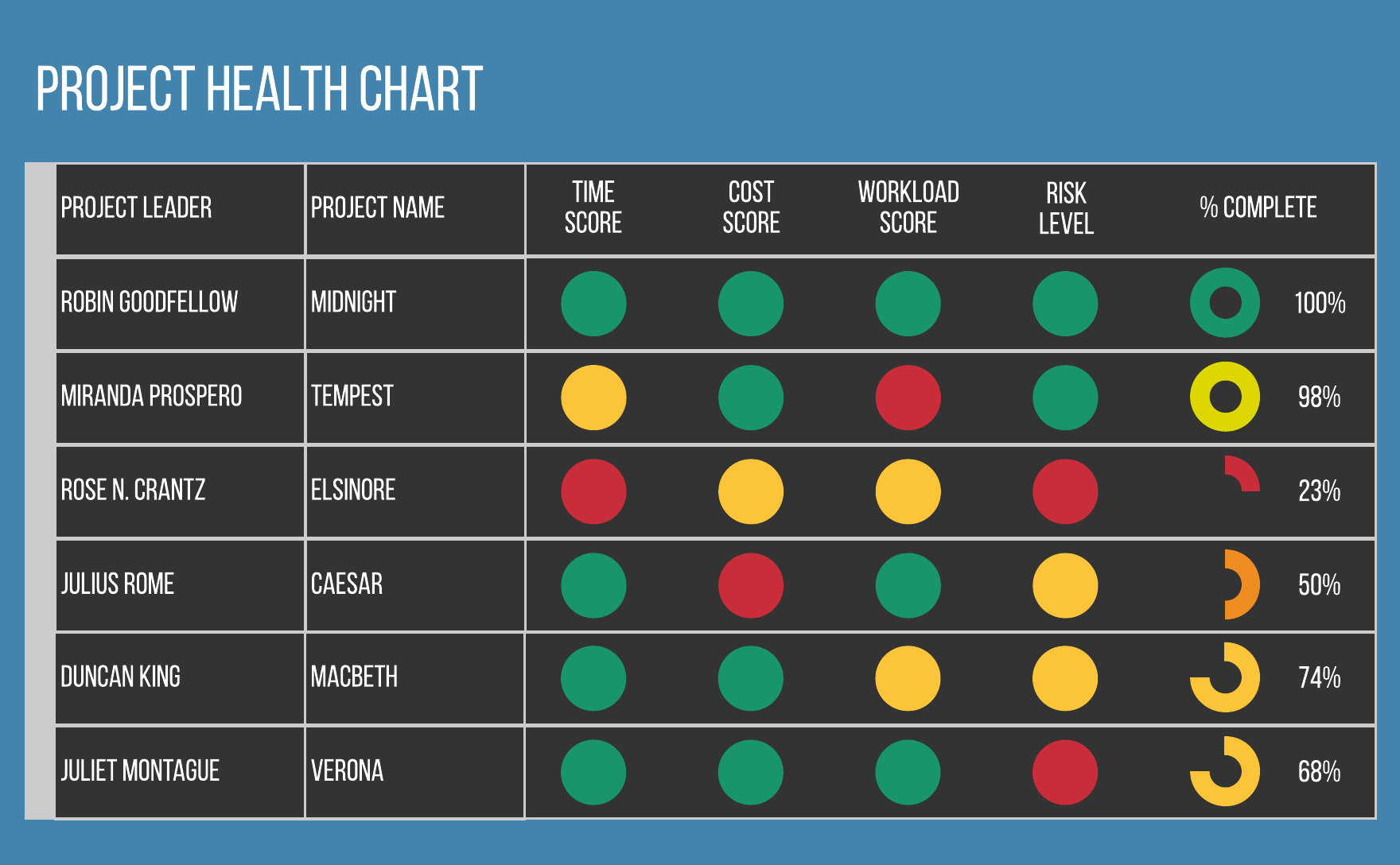
Once you’ve prioritized your project portfolios, use project dashboards to keep projects on track. Dashboards collect important data into quick, at-a-glance visuals and can help you ensure continued strategic alignment. These data and metrics give you the big picture on the current health of a project and help managers identify issues as they arise.