What are project success factors?
Critical success factors (also called key results areas) are the activities or conditions that must be achieved to consider a project successful. In other words, these factors are the way project managers (and the project stakeholders) define success.
While delivering a product on time is the traditional measure of success for many projects, it isn’t the whole picture. The real measure of success is whether the project delivered the value the client wanted, based on those defined metrics or factors of success.
It’s important to outline these conditions from the beginning and to ensure that both the project manager and the project sponsor agree on the defined success factors.
Otherwise, you might end up thinking the project is going great based on metrics you’ve prioritized while the sponsor is unsatisfied with your progress because they are measuring success with a different set of variables.
Critical success factors
There are various metrics and conditions to define success. Here are a few common project management success factors you might consider:
- The project is delivered on time.
- The project is completed within budget.
- Quality standards are met.
- Costs are reduced.
- End-user adopts the product.
- Risks are successfully managed and mitigated.
- Vendors secure repeat business.
- The project doesn’t disrupt business.
- Changes are well managed and approved by stakeholders.
So, how many project success factors should you have?
There is no hard and fast rule, but a good guideline is no more than five. By narrowing your scope to just a few essentials, your success factors will have more impact and better focus your project on your highest priorities.
How to write effective success factors
Critical success factors can be hard to nail down. Follow these basic steps to write effective factors for your project.
1. Determine overarching project goals.
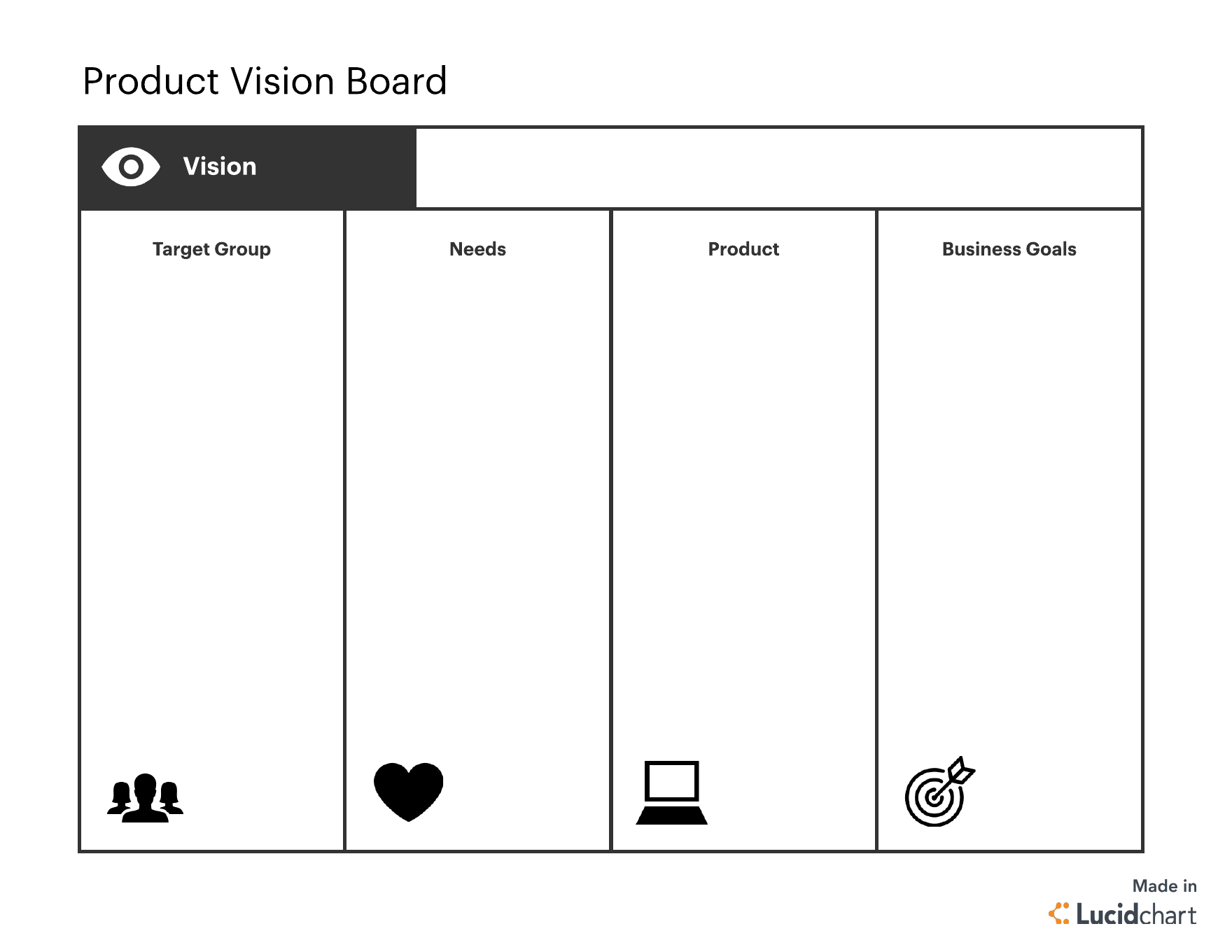
Meet with project stakeholders to define the overall objectives of the project. What is the vision? What outcomes are you targeting or what problems are you trying to solve? These goals will inform what factors you then identify to define success for the project.
2. Analyze and prioritize goals.
Whittle your list of goals down to the most essential objectives. For projects to be successful, they need focused, measurable goals. Without a clear objective, it is difficult for project managers to develop an effective plan of action to work towards those goals.
3. Define factors of success for those goals.
Once you have a shortlist of project goals, you can define a few factors of success that describe what conditions must be met for the goal to be deemed achieved.
Keep in mind, your project should focus on just a handful of critical success factors. More than four or five factors will spread the focus of your project and make it more challenging to design and implement an effective project plan.
4. Communicate with all team members and stakeholders.
Breakdowns in communication are some of the most significant contributors to project failure. In fact, 59% of U.S. workers cite communication as their team’s biggest obstacle to project success.
Make sure your project isn’t doomed from the start. Get everyone involved in the project to sign off the final goals and success factors. Stakeholder buy-in is crucial to the ongoing success of a project.
5. Document the project success factors and develop project plans around those objectives.
Finally, document, document, document. Get your objectives and success factors down in writing. Make sure the goals are clear. Then use them to develop project plans guided by those core objectives and their success factors. By building your project around your success factors, you’ll ensure the project is focused on the right objectives from start to finish.
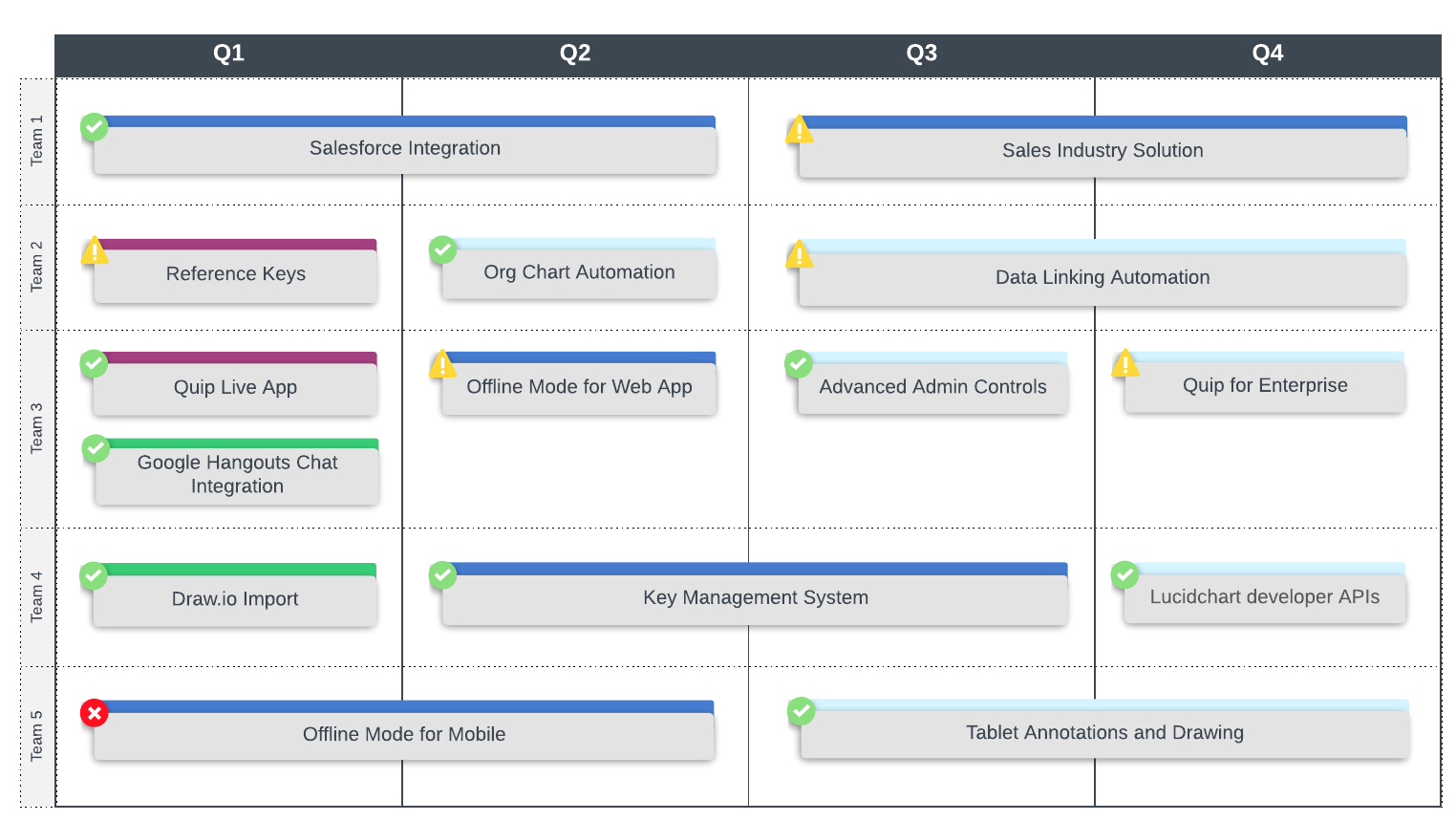
Mapping your success in a project roadmap
A project roadmap describes the actionable steps the development team needs to take in order to complete a project and meet all necessary requirements.