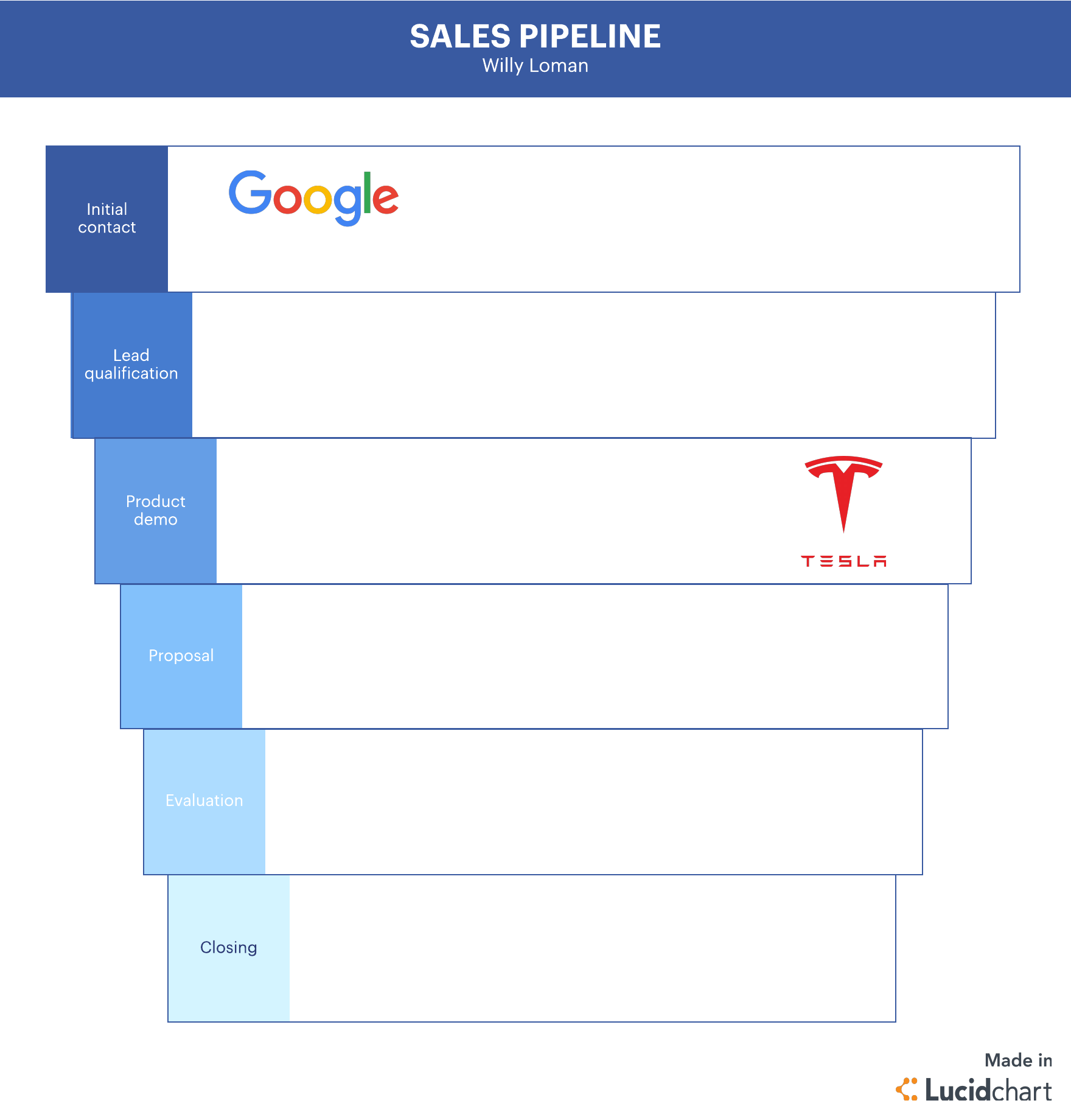
With this information, managers can make forecasts based on how many current leads they have in their pipeline and identify where prospects are getting stuck in the funnel. They manage their pipeline more effectively by adjusting their process or prioritizing actions or stages that have been neglected.
Dos and don’ts of managing your sales pipeline
Sales pipeline management is a sales manager’s bread and butter. Perfecting your sales process and managing your pipeline through each stage leads to successful deals and increased ROI.
Although an automated sales pipeline can do much of the heavy lifting for you, every sales manager should still follow these key best practices to ensure a healthy pipeline.
Don’t
Pipeline management is as much about what to do as it is what not to do. Make sure you avoid these costly mistakes to keep your sales pipeline looking fresh.
Neglect prospecting
We get it. Prospecting is hard, tedious work. But it’s important not to neglect your lead generation efforts. Following a regular prospecting process and schedule is key to maintaining a healthy sales pipeline. Without refilling your prospect bucket, your pipeline will shrink over time, and your opportunities will dry up.
Let dead prospects sit “just in case”
Review your sales pipeline regularly to identify leads that have dried up, including prospects who haven’t communicated in a while, opportunities that have been stuck in one stage for too long, or leads that won’t progress. Letting these opportunities sit in limbo hurts your numbers and skews your predictions.
Keep your pipeline fresh by periodically sifting through your opportunities and weeding out those that have gone cold. Just remember to send them a final “break-up” email to confirm they are no longer interested or prepared to move forward.
Depending on the circumstance, you may just need to shuffle them to an earlier stage or simply put the lead “on pause” with a note about the best time to contact again. Each opportunity is different, so make sure to communicate with your leads to find out what’s going on. That way you can make sure all the opportunities in your pipeline are actively progressing, so you aren’t wasting your time on dead ends.
Forget to follow up
The best sales teams follow a standard sales process from prospecting to close. This should be no different for your follow-ups. Make sure you have a specific follow-up procedure to ensure you don’t let viable leads slip through the cracks.
In fact, a study conducted by the Harvard Business Review found that sales reps who followed up within an hour of receiving a query were seven times more likely to qualify the lead.
Your follow-up process should outline the timing, cadence, and contact method for each type of opportunity based on your sales cycle and specific buyer’s journey.
Do
No matter what your specific pipeline looks like, you should always follow these guidelines to be successful.
Know your numbers
To have a solid pipeline, you need solid data. Accurate metrics breathe life into your pipeline and are crucial to creating accurate sales forecasts. For best results, you should know and track:
- New leads created each month and their source (e.g., marketing)
- Conversion rates at each stage of the funnel
- Average won deal size
- Win rate
- Average sales cycle
- Number of current opportunities
- The stage in the sales pipeline for each open opportunity
As a sales manager, you can then use this data to calculate your sales goals and set realistic monthly quotas for your team. With those metrics input into your pipeline, each person can see their progress with each opportunity and stay on track to meet their goals.
Polish your pipeline
Over time, every pipeline will need some TLC. To keep your pipeline updated and accurate:
- Weed out dead leads to ensure accurate forecasting.
- Move prospects back to earlier stages if circumstances change their progress.
- Check dates and timelines for accuracy.
It’s tempting to keep dead leads to boost your numbers, but this is a temporary gain and can hurt your current and future sales goals. Once you’ve confirmed a lead is cold and won’t be continuing, purge it from your pipeline. This practice will free up time to focus on more promising prospects and ensure your forecasts are accurate.
Additionally, evaluate your prospects. Sometimes you will have to move a prospect back a stage in the pipeline if circumstances change. For instance, if you got stakeholder buy-in initially, but there was a changing of the guard at the organization, you may need to repeat that step to ensure all parties are still ready to move forward.
Although reevaluating your prospects is a step back, in the long run, it will help your deal to progress more efficiently to a successful close.
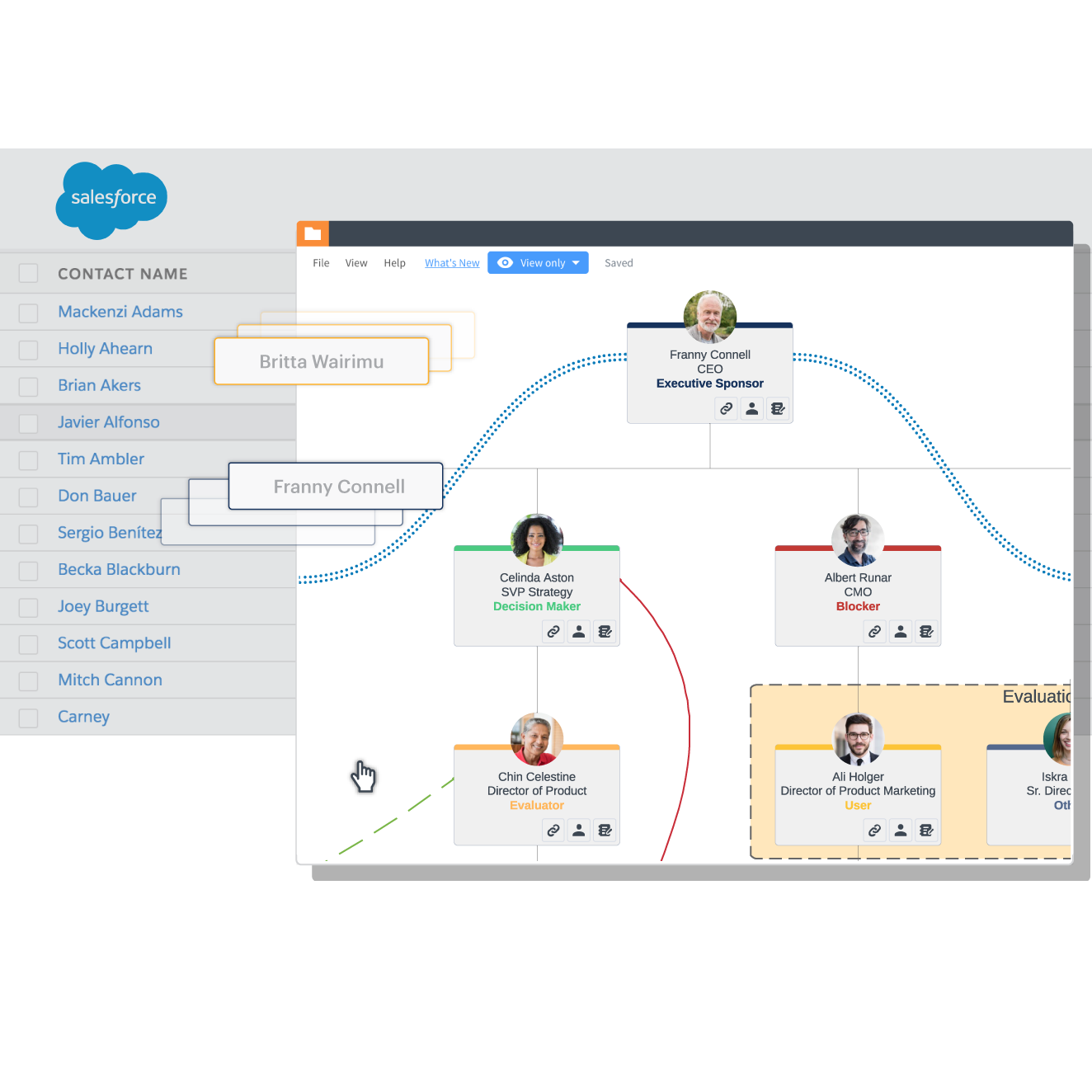
Note: Account maps can also help you track key relationships and your best path to sale, so you and your leaders can better gauge where a deal stands.

Stay organized with the right management solutions
Client relationship management (CRM) systems are the “secret sauce” of powerful sales pipelines. Visualizing your sales process can unlock valuable insights and drive sales through the cycle more effectively. But not all programs are created equal. Look for sales pipeline management tools that have the following features:
- Automation
- Customization
- Visualization
- Flexibility
Lucidchart helps managers and their reps accelerate the sales cycle and drive more conversions through account mapping. Lucidchart integrates with Salesforce (and many of your other favorite platforms) to visualize your account data in one place. Make the best predictions and focus on the opportunities that matter most.