It’s a project manager’s job to keep projects moving smoothly and efficiently between tasks and stakeholders. But hidden roadblocks can quickly throw a project off track, creating headaches for managers, teams, and stakeholders alike.
Roadblocks can include anything from poor communication and lack of resources to bottlenecks in task dependencies. And even small roadblocks can have a significant impact on the project’s progress.
That’s why identifying these potential roadblocks early is crucial to a project’s success. After all, you can’t fix what you don’t know is broken.
Identifying roadblocks quickly enables you to steer around them instead of stumbling into them and grappling to get back on course. The faster you can identify the problem, the faster you can solve it—and the better chance you have of getting the project over the finish line on time and on budget.
So how can you recognize a roadblock before you hit one?
A simple way to identify project roadblocks quickly is to make those roadblocks visual. Here’s how:
The value of making project roadblocks visual
People process visuals 60,000 times faster than text. This is partly because the human brain decodes elements of an image simultaneously, while language is decoded linearly and sequentially—taking more time to process.
This is why visualizing your project's roadblocks can be such a powerful exercise. Visualizing your project roadblocks allows you to absorb the information more quickly while making it easier to see where those roadblocks actually are. And the better you can see what challenges lie ahead, the more prepared you’ll be to navigate them successfully.
Plus, visualizing problems—rather than just talking about them or writing them down—helps you remember the information better. For instance, if you hear a piece of information, you’ll remember 10% to 20% of it three days later. But if the information is visual, you’ll remember 65% of it.
So transforming your project plans and any potential roadblocks into visuals will help everyone involved understand the information faster and retain it longer—keeping everyone on the same page and moving in the right direction.
How to make project roadblocks visual
Considering potential roadblocks is a core part of the project planning process. This is the time to plan the project requirements and goals, what resources and budget you’ll need, who will be involved, and how they will get it done.
By planning out all the moving parts, you’ll begin to see key dependencies, priorities, and gaps in the processes that need to be addressed to ensure a smooth project.
Use these tips to help you uncover potential roadblocks through project visualization.
Map out projects and processes
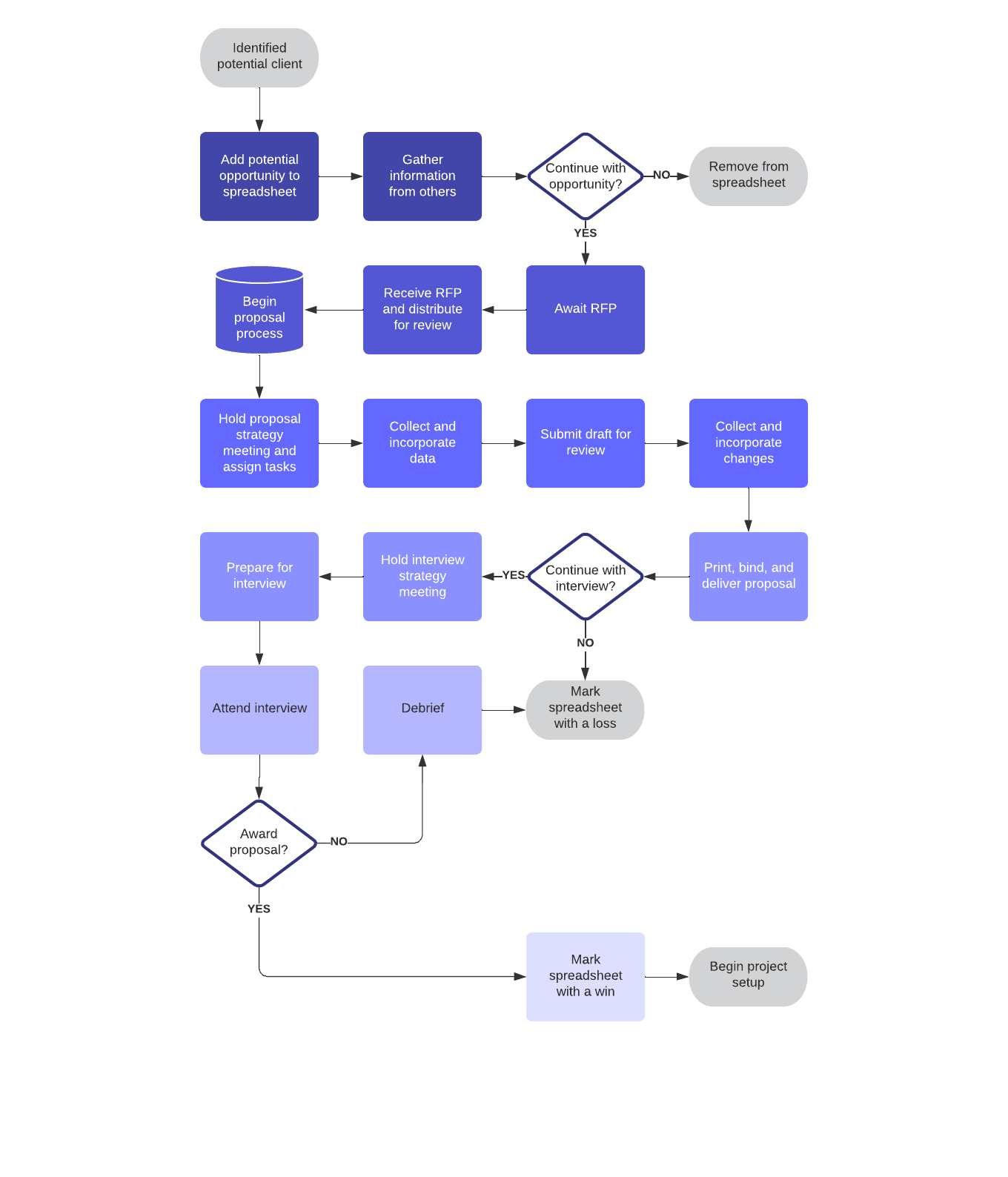
The first step is to map out your entire project and break it down into steps. As you map out your project and all its processes, you’ll begin to see how each step relates and uncover potential challenges and roadblocks within those processes.
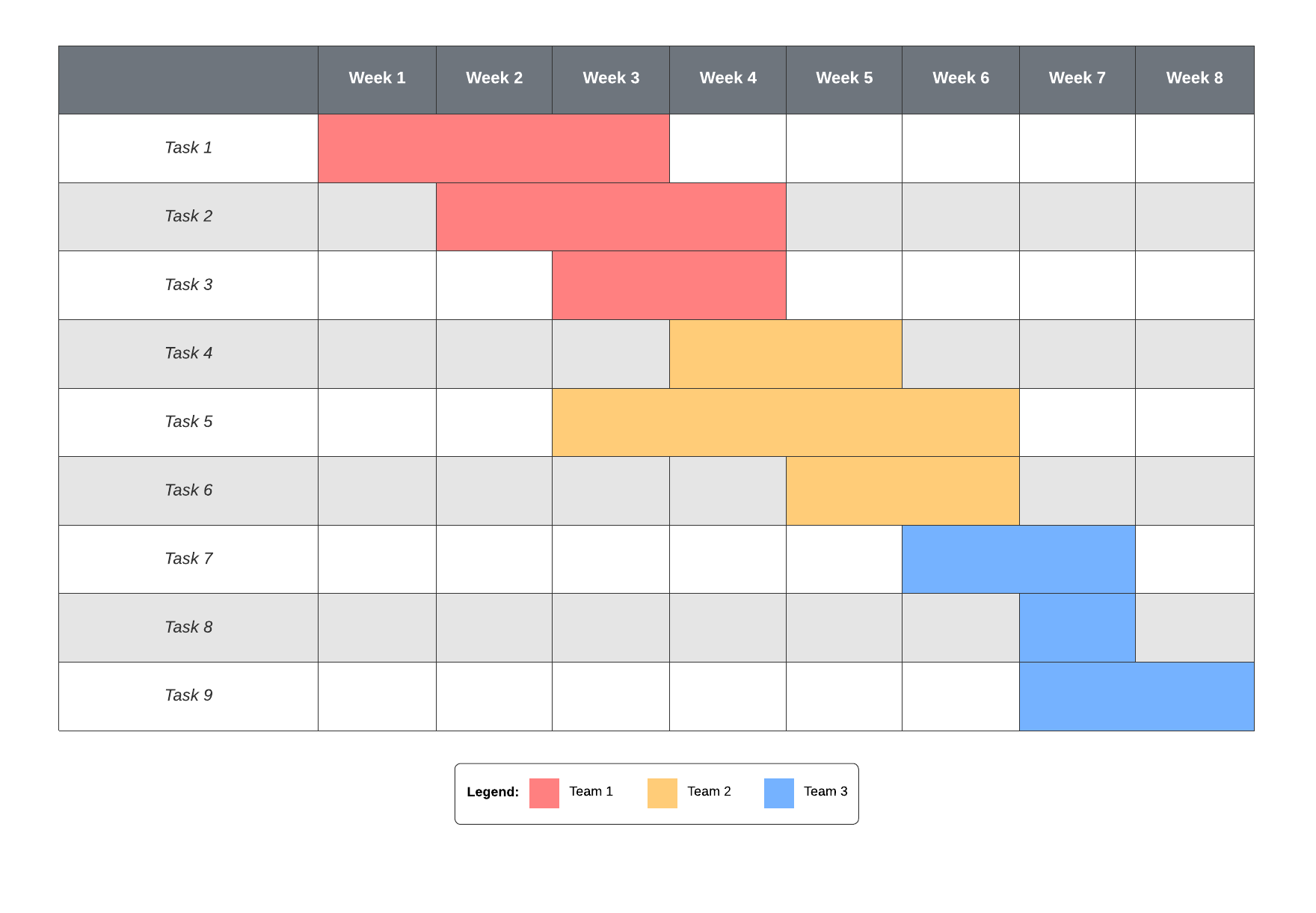
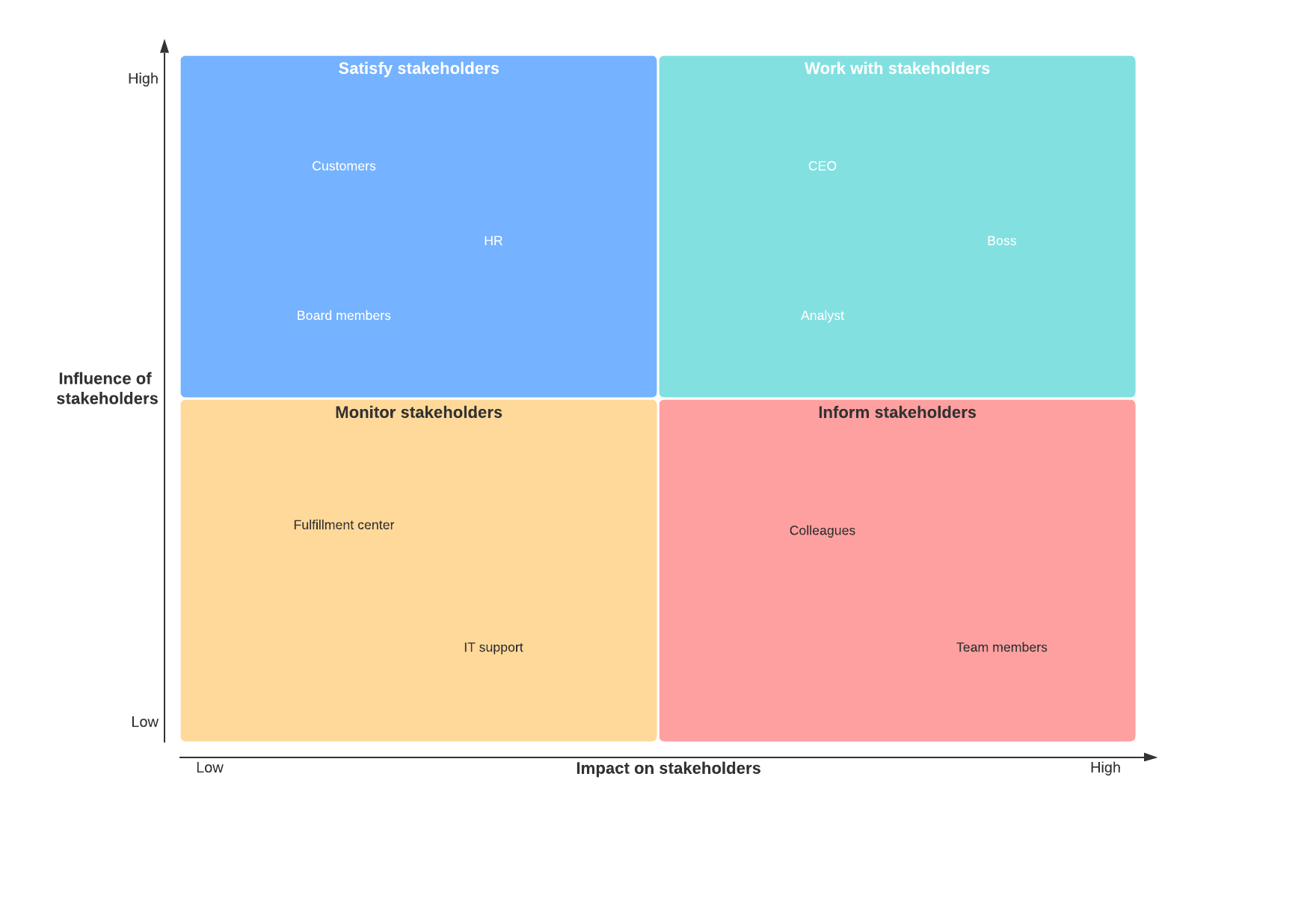
Here are a few visuals you can use to map out your project and uncover roadblocks:
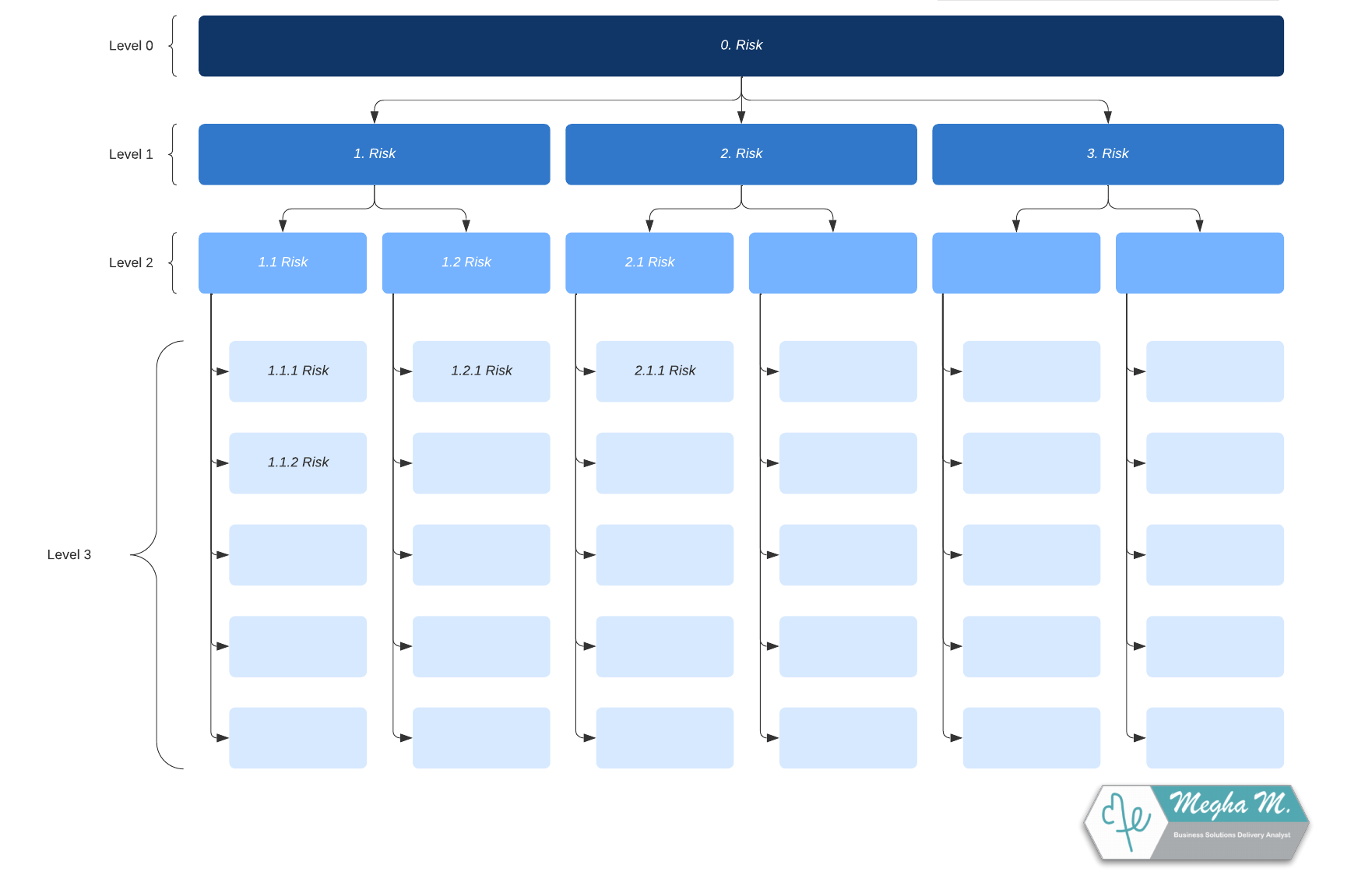
A risk breakdown structure lists out potential risks in a project and organizes them visually in a chart based on level of detail, starting with the high-level risks at the top and working down to more granular risks at the bottom.
Sit down with your team to brainstorm potential risks that may arise and visualize them with a risk breakdown structure template. From there, you can add the risks to a project risk log to monitor and assess threats to your project.