What is lead nurturing?
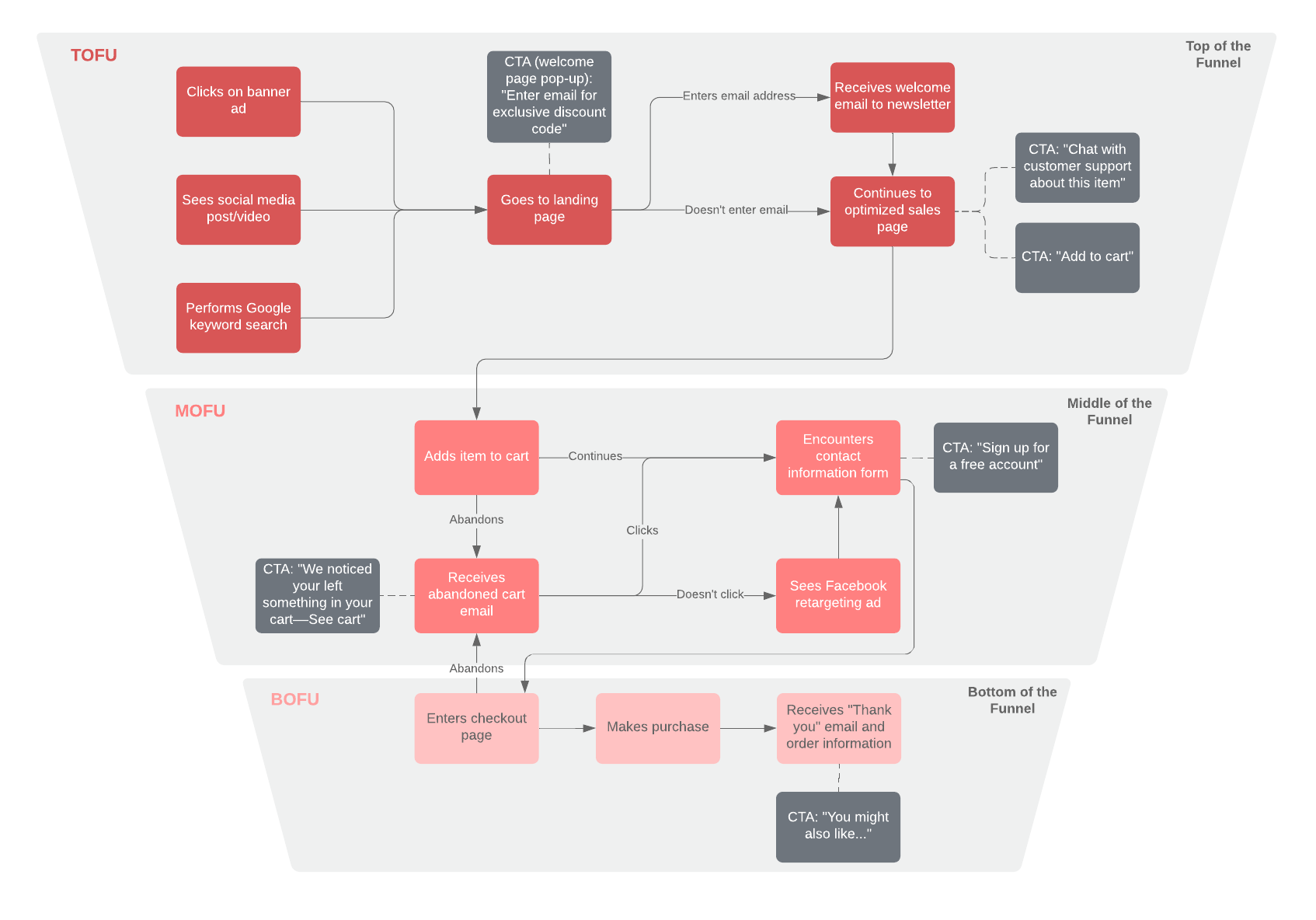
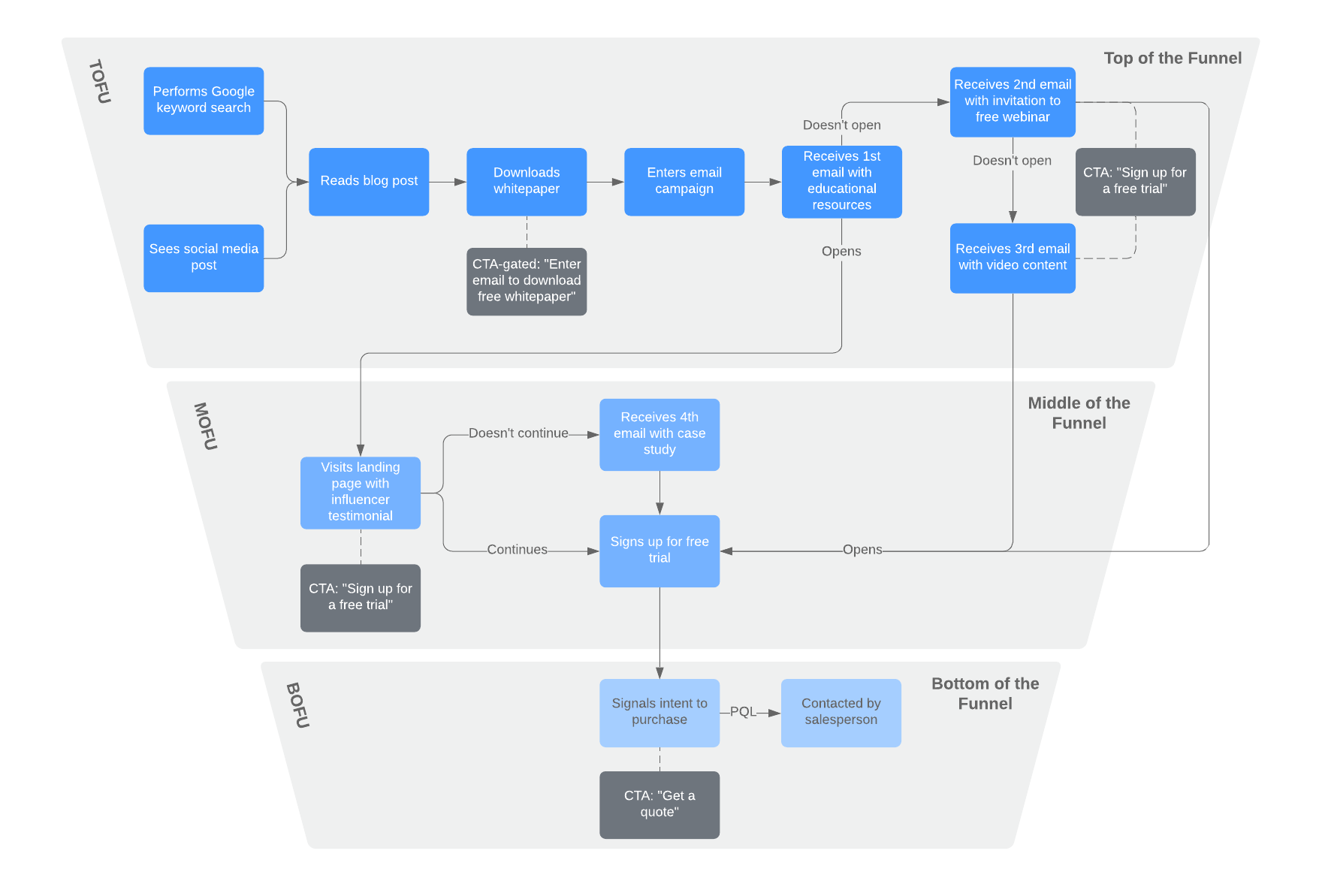
Lead nurturing is the process of engaging and developing relationships with customers through each stage of the buyer’s journey. The goal of a lead nurturing campaign is to further qualify leads and guide them to a successful sales solution.
Let’s say a prospective client downloads an e-book. The content is geared toward top-of-funnel leads in the awareness stage. While they may be interested in your product or service solution in the future, they aren’t ready to commit to a sale yet. They’re still just learning about the market and the possible solutions. If this lead was passed on to sales right away, they would be unlikely to convert.
Lead nurturing acts as a bridge between marketing-generated leads and sales-ready opportunities. A lead nurturing campaign helps guide that prospect from the awareness stage through consideration and finally purchase.
Why you need a lead nurturing process
If you have a great lead generation process, why bother investing in lead nurturing? After all, with plenty of quality leads coming in, surely a good number of them will convert eventually, right?
Not exactly.
According to research by MarketingSherpa, a whopping 73% of B2B leads are not sales-ready—and many never convert into sales. In spite of these odds, marketing teams continue to send many of these unqualified leads to sales, where sales reps have an uphill battle trying to shoehorn unprepared prospects into a tidy deal.
This is where lead nurturing comes into play. A lead nurturing process takes unqualified marketing leads and warms them up for sales.
And the results are impressive.
Lead nurturing leads to bigger sales and more revenue in less time. Forrester Research reports companies that excel at lead nurturing generate 50% more sales-ready leads at 33% lower cost. Not only does lead nurturing create more sales, but it also closes bigger deals. Nurtured leads spend as much as 47% more than non-nurtured leads, according to The Annuitas Group.
Lead nurturing is especially valuable for B2B organizations with complex sales and long sales cycles. When opportunities take weeks or months to develop, there’s a lot of time for leads to go cold and drop off the sales wagon. But a strategic lead nurturing process can keep those prospects engaged over time so that when they’re ready to buy, they come to you.
How to nurture leads
Lead nurturing is about building relationships and converting curious leads into happy customers. To do this, you will need a clear lead nurturing process with a multi-channel approach.
A good lead nurturing process should be:
- Tied to a goal
- Targeted to a specific audience
- Personalized
- Aligned with the sales and marketing teams
While many lead nurturing programs focus on email campaigns, a multi-prong approach is often more effective. Adapt your process to your leads. Where do they prefer to engage with you? What kind of content interests them?
In addition to email, consider connecting with your prospects on social media, through dynamic website content, or even direct sales outreach.
Wherever you engage with leads, be sure to connect regularly and develop a relationship with them based on their needs and interests. By personalizing the connection, and listening and responding in a timely manner, you will have greater success converting and delighting prospects.
Lead nurturing best practices
Use the following lead nurturing best practices to build stronger customer relationships and win more business.
Respond quickly
When it comes to lead nurturing, time is of the essence. One study by Harvard Business Review found that many companies were losing opportunities because they were too slow to respond to prospects. In fact, those companies that reached out to prospects within an hour were nearly seven times as likely to qualify the lead as those that tried to contact the customer even an hour later—and more than 60 times as likely as companies that waited 24 hours or longer.
In other words, be responsive to your leads—the sooner, the better.