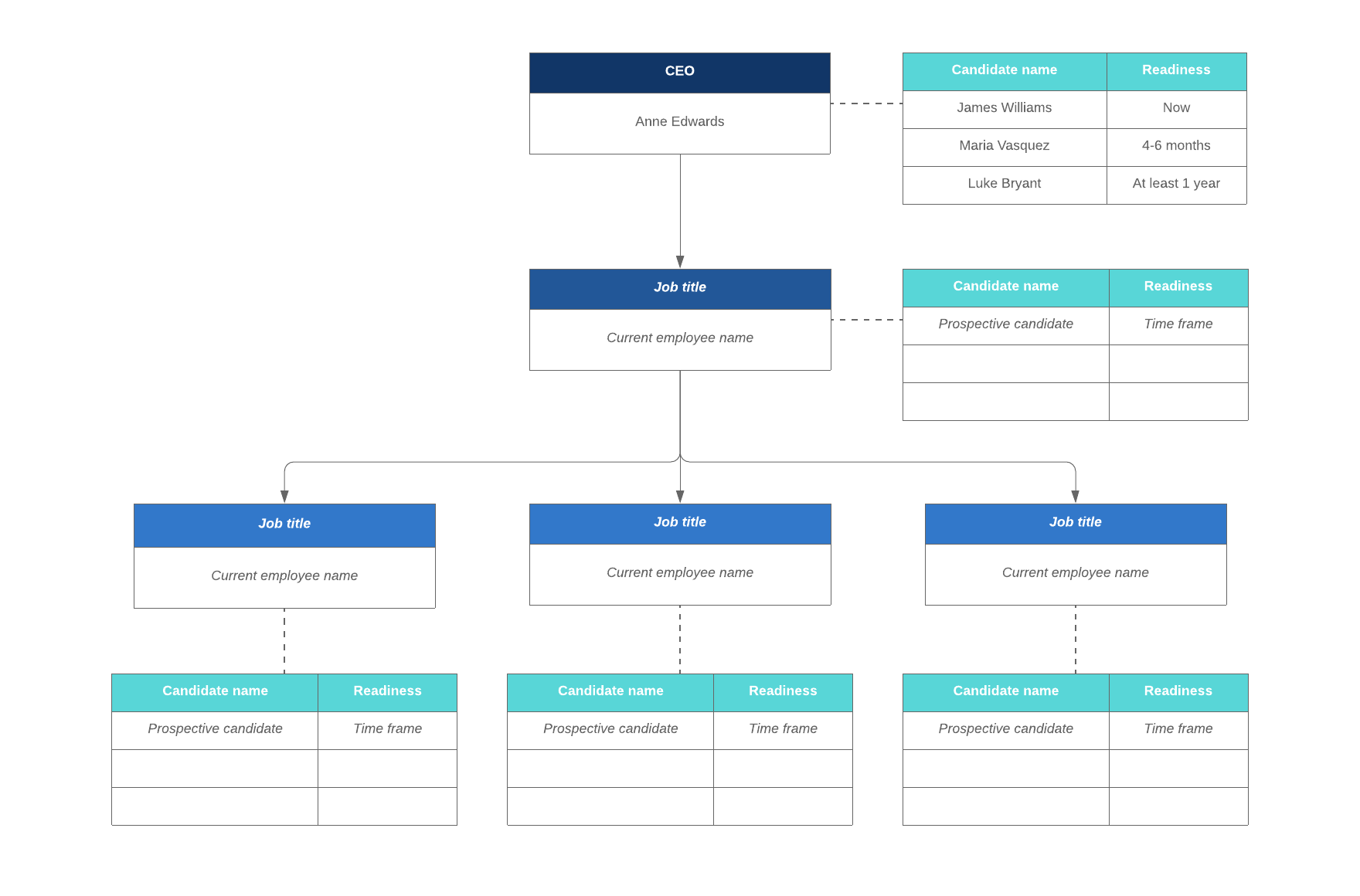
Benefits of a succession planning process
Organizations at every size benefit from organizational succession planning. Consider even the small 10- to 12-person team of a lean startup: Succession planning for companies of this size leverages against the risk of losing a vital team member who takes up a much larger relative percentage of the work output.
By cross-training all members of an organization, a leadership team can mitigate against the often volatile startup space by having employees ready to fill in roles for anyone who may transition within or outside of the company.
Perhaps the company wants to cut costs by eliminating a position and redistributing responsibilities laterally within the company. Succession planning, then, would entail making sure that current employees are trained on the duties of the role to be eliminated. Management succession planning for small companies could also mean preparing current employees to onboard a new process, new service offering, or even developing a new leadership position.
Let's break down how succession planning will specifically benefit management, HR, and individual employees.
The value of a management succession plan
Managing a successful operation becomes increasingly difficult when you rely on many employees to support your company, from creating the actual products and services to reinforcing the mission statement and vision. Losing key members puts all of those ends at risk. You need prepared employees to step into leadership roles as the company grows or shifts directions.
A management succession plan, which ultimately results in more prepared, well-trained employees, will enable your company to create or supplement leadership positions based on industry growth potential rather than scrambling to adjust and undertraining, potentially missing major opportunities.
Now especially is a time for established companies to actively invest in succession planning for management as baby boomers reach retirement age. As new technology provides a range of business opportunities for digital natives, management succession planning is the perfect opportunity to transition companies into a digital future.
The value of human resource succession planning
HR succession planning begins at the recruitment phase. Companies save valuable time in the succession planning process by onboarding exceptional employees and drawing from their built-in human resource pool rather than headhunting for new positions when leadership roles become available. The human resource cost can add up—in time, money, and energy—and bringing on the right people from the beginning is the best way to both prevent added HR cost and to increase HR value in the long run.
Succession planning for HR begins with H promoting on-the-job shadowing for the right employees, facilitating transfers to different jobs, and developing a top-notch recruitment plan. All of this ensures that there is a systematic succession process for preparing employees to fill key roles as they become vacant. The goal for all future-minded companies should always be to prepare employees for advancement or promotion into ever more challenging roles within the organization.
The value of an employee succession plan
Entering a new company comes with a range of emotional and mental processing: the stress and excitement of learning entirely new information, the rush and anxiety of meeting new co-workers and superiors, the wonder and uncertainty of your future within the organization. Employee succession planning has a myriad of positive benefits for the employees as they make this often awkward transition into a new space.
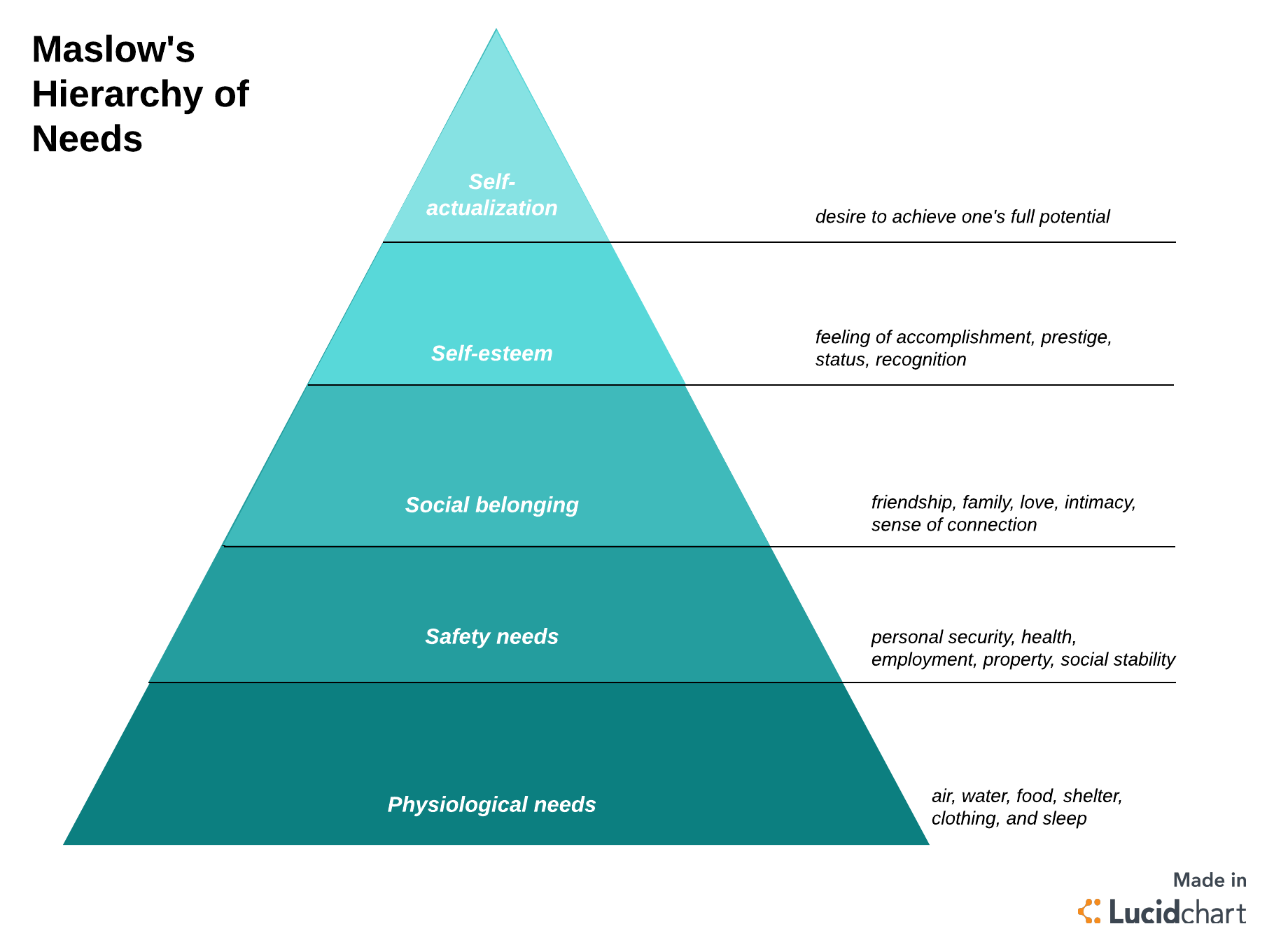
When succession planning for employees, consider Maslow's Hierarchy of Needs. When new hires are primed with the knowledge that the company plans on advancing them internally, it fulfills not only a vital career need of security but also a need for social belonging.
Additionally, employees who know that a higher position awaits them receive a boost of self-confidence and self-respect as a result of feeling valued. This confidence enhances their performance within the organization. By fulfilling these more basic needs, employees can start working toward self-actualization, where they develop their skills and find creative solutions to problems.