Speak your customer’s language
Do you speak corporate jargon? Chances are that your customers don’t. And they won’t care that your company got all of their ducks in a row, followed best practices, thought outside the box, and took it to the next level to deliver a scalable product at such a terrific price point.
Compare that to this 2001 Apple ad. Apple introduced the first-generation iPod to the world with the simple slogan, “1000 songs in your pocket.” Rather than talking about the player’s 5 GB drive, its weight, battery life, and other technical specifications, Apple gave customers a description they could understand and the iPod changed the music industry.
Align yourself with your customer’s priorities and alleviate fears
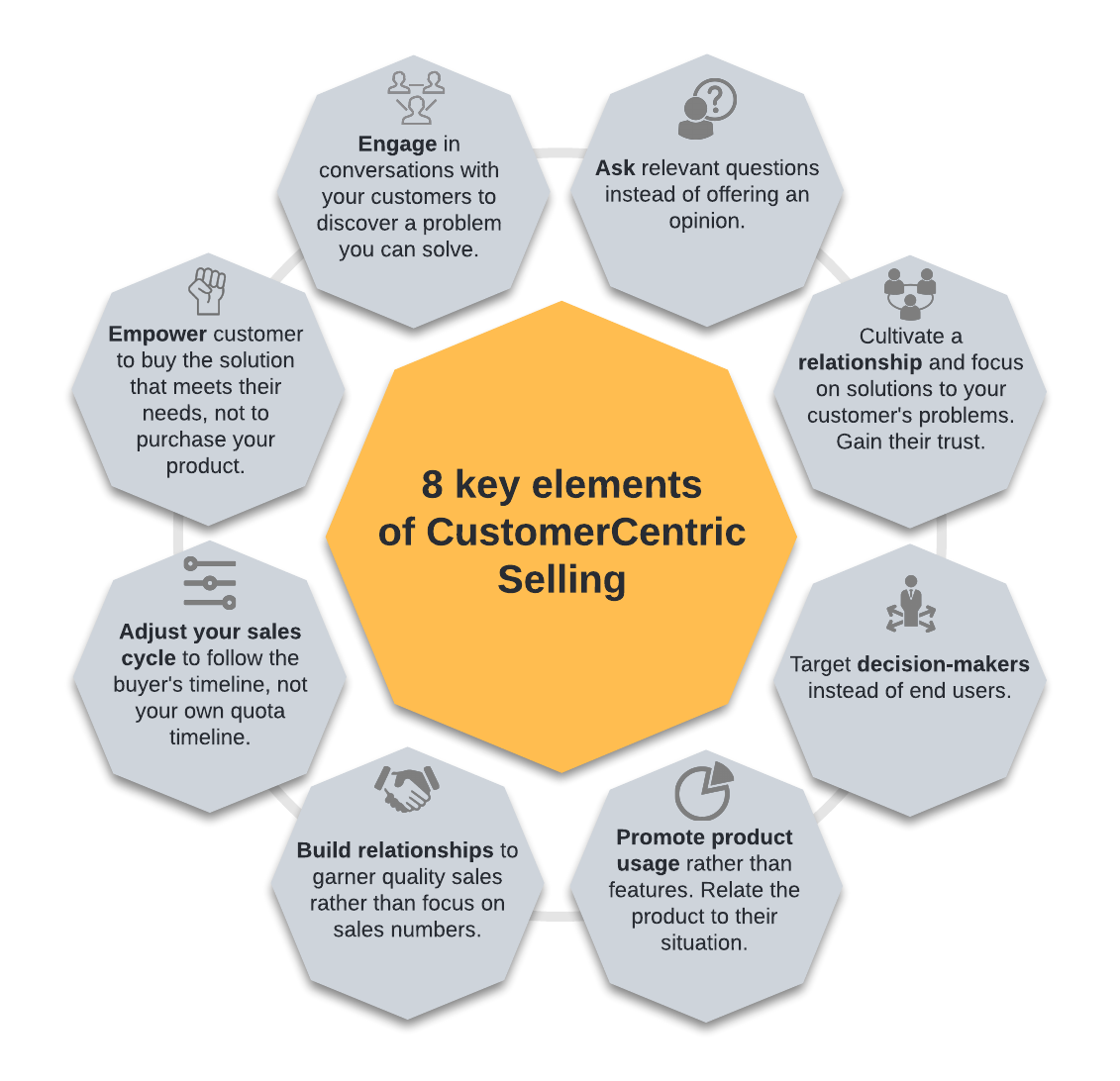
Don’t waste time trying to sell customers on products or features that they don’t need. If you spend too much time pushing the customer to buy something they don’t think is needed, you run the risk of losing that customer.
Instead, talk about how your product will solve the customer’s current problems. They don’t need you to bring up solutions to hypothetical problems. By aligning your solutions to problems that the customer is already working on, you have a better chance of building a strong relationship based on trust.
Use current customers to help sell to new customers
Customer success stories can go a long way to helping you sell your products and services to potential customers. Current customers will generally have more credibility with your prospects than even your best and most knowledgeable salespeople. Help your potential customers visualize how current customer success can translate to their own success by using charts, audio, video, websites, and so on.
Adopt a CRM model to increase customer loyalty
A customer relationship management (CRM) model or strategy helps your company be more customer-centric, giving you a better understanding of customer needs and expectations so you can deliver better value.
A CRM model helps you analyze your interactions with customers so you can find ways to optimize your relationships with your best customers. While it is important to get new customers when you can, keeping your existing customers can be cheaper and more profitable in the long run.
Examples of CRM include the IDIC (Identify, Differentiate, Interact, and Customize) model, the QCI (Quality Competitive Index) model, Payne’s Five Forces model, and CRM value chain.
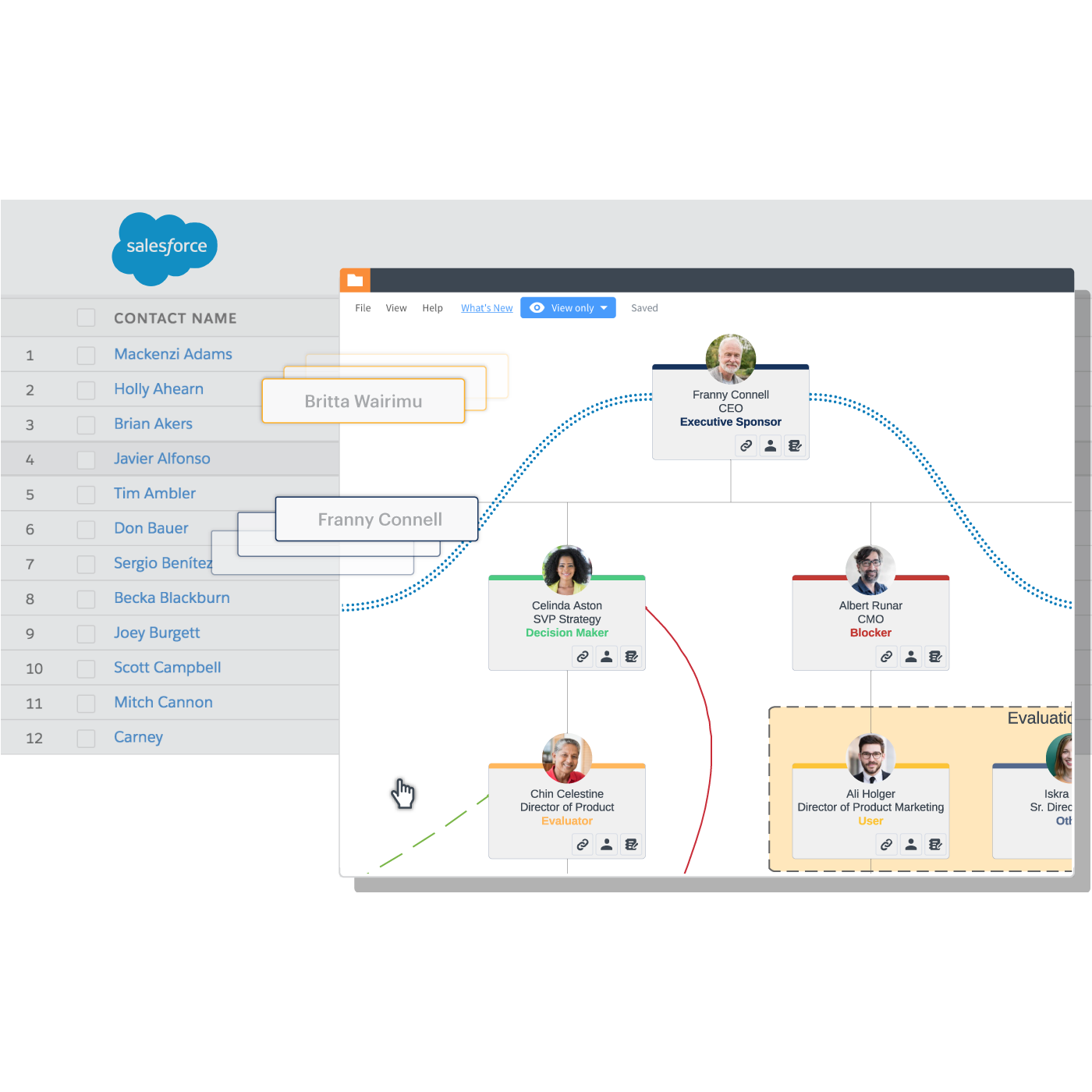
There are many CRM software products that can help you manage all interactions with current and potential customers. These applications let you store important data that will help you maintain strong relationships and increase revenue. Processing and analyzing stored customer information makes it easier for you to identify customer needs, set up meetings, initiate calls, find new sales opportunities, and more.
In addition, CRM software can help you set up rules or triggers that let you know when it is appropriate to contact customers about inventory replacement needs or product updates. This class of software lets you categorize customers by their expectations so you can more easily focus on what they need and when they need it.
Benefits of CustomerCentric Selling for your business
To be successful and survive in business, you must adopt customer-centric strategies.
Customer-centered selling and CRM include the following benefits:
- Placing customers at the center of all your interactions creates strong, flexible, and personalized customer experiences.
- Great customer experiences keep customers coming back to you to solve their business needs.
- Established trust ensures customer loyalty.
- Strong relationships, trust, and customer loyalty lead to increased sales and revenue.
In the long run, centering your efforts on your customers and their sales experience won’t only benefit them. It will benefit you and your business, too.