2. Technical feasibility
This broad concept can be applied to many types of projects, from software development to construction. Validate the technical resources and capabilities needed to convert the ideas into a working project or system.
3. Operational feasibility
Even the most strategic, well-intentioned projects can go astray if they’re too difficult to bring together, or don’t directly address or solve the problem at hand. An operational analysis helps you understand how well the proposed project will address the problem.
4. Schedule feasibility
Also referred to as time visibility, this type of feasibility study can help you determine how reasonable the project’s timeline is when measured against existing projects and available resources. Proper evaluation at this step can also help you avoid unpredictable or extra costs.
5. Legal feasibility
Legal feasibility analysis helps you understand if your proposed plan conforms to legal and ethical requirements. These requirements may include zoning laws, data protection acts, or privacy laws.
How to conduct a feasibility study
Think about the last time you needed to solve a problem—either at home or at work. If it was a familiar problem, you likely already had a previous experience or game plan to guide your progress. New types of problems or circumstances, however, require new, creative ways of thinking and innovative solutions.
When determining how to approach a business need, problem, or opportunity, it’s important to determine whether your plan of attack is feasible, and what steps needed to be taken to be successful. But how do you separate a feasible project from a misguided one?
Here are seven steps to determine if your project is feasible:
1. Analyze the problem
First, conduct a preliminary analysis of project requirements to assess the practicality and viability of the proposed plan. Do you have the technology and resources required to get the project off the ground? How will you measure and determine the ROI of the project? Understanding your business goals and objectives before you start the project will help keep everyone aligned and working toward the same goal.
2. Evaluate the budget
The quickest way to derail any new project or initiative is to misuse or waste budget. Especially when budgets are limited, your stakeholders want to know whether the money you spend will make a difference to the bottom line. Determine how much budget you have available for the project—and identify the projected revenue streams. How will this project result in a monetary return on investment?
3. Do your research
Next, take a deeper look at the market. Is there a demand for your product or business plan? For smaller projects, what roadblocks will you face along the way? What are your competitors doing? If your project goals are too narrow, or they don’t align to larger business goals, it might be wise to reevaluate your approach.
4. Make a plan
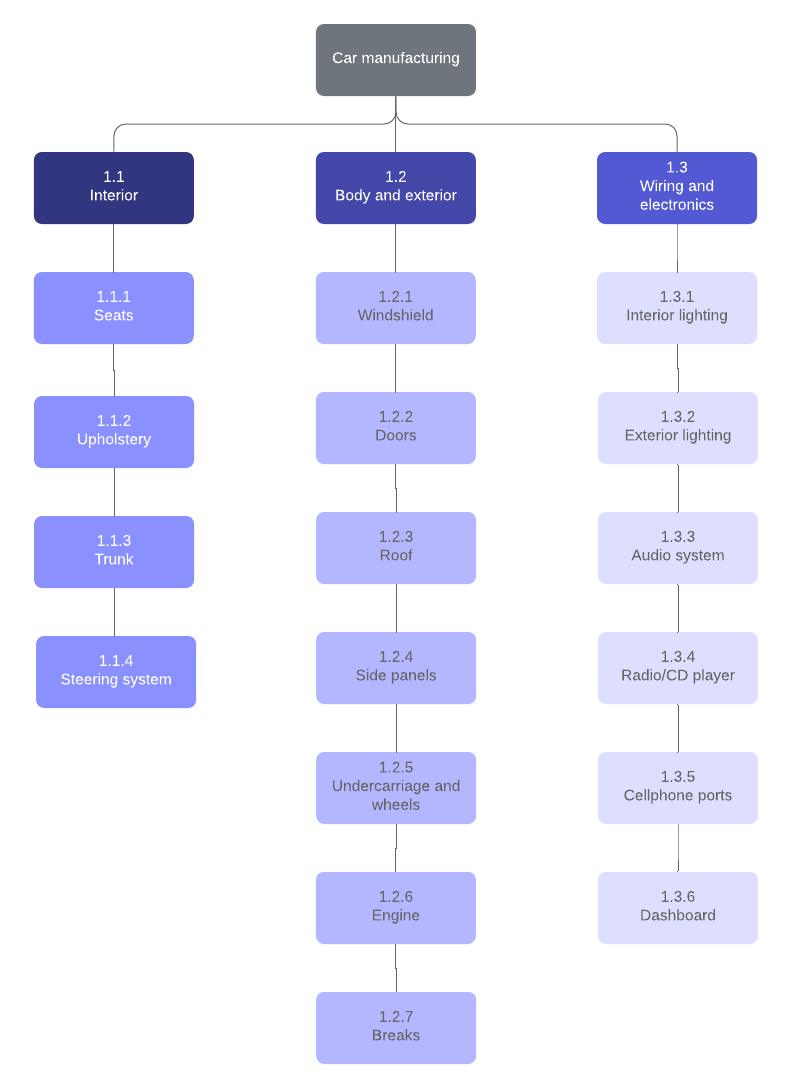
Armed with your research, create an action plan to bring your project to life. What resources—people, processes, and tech—will you need to complete the project? A work breakdown structure (WBS), which breaks down projects into smaller, more manageable pieces that you can reasonably evaluate and assign to teams, can be used to build this plan.