“Nobody reads the documentation.”
People who spend their time creating technical documentation hear that phrase quite often. It’s always nice to have your life’s work summed up in four simple words.
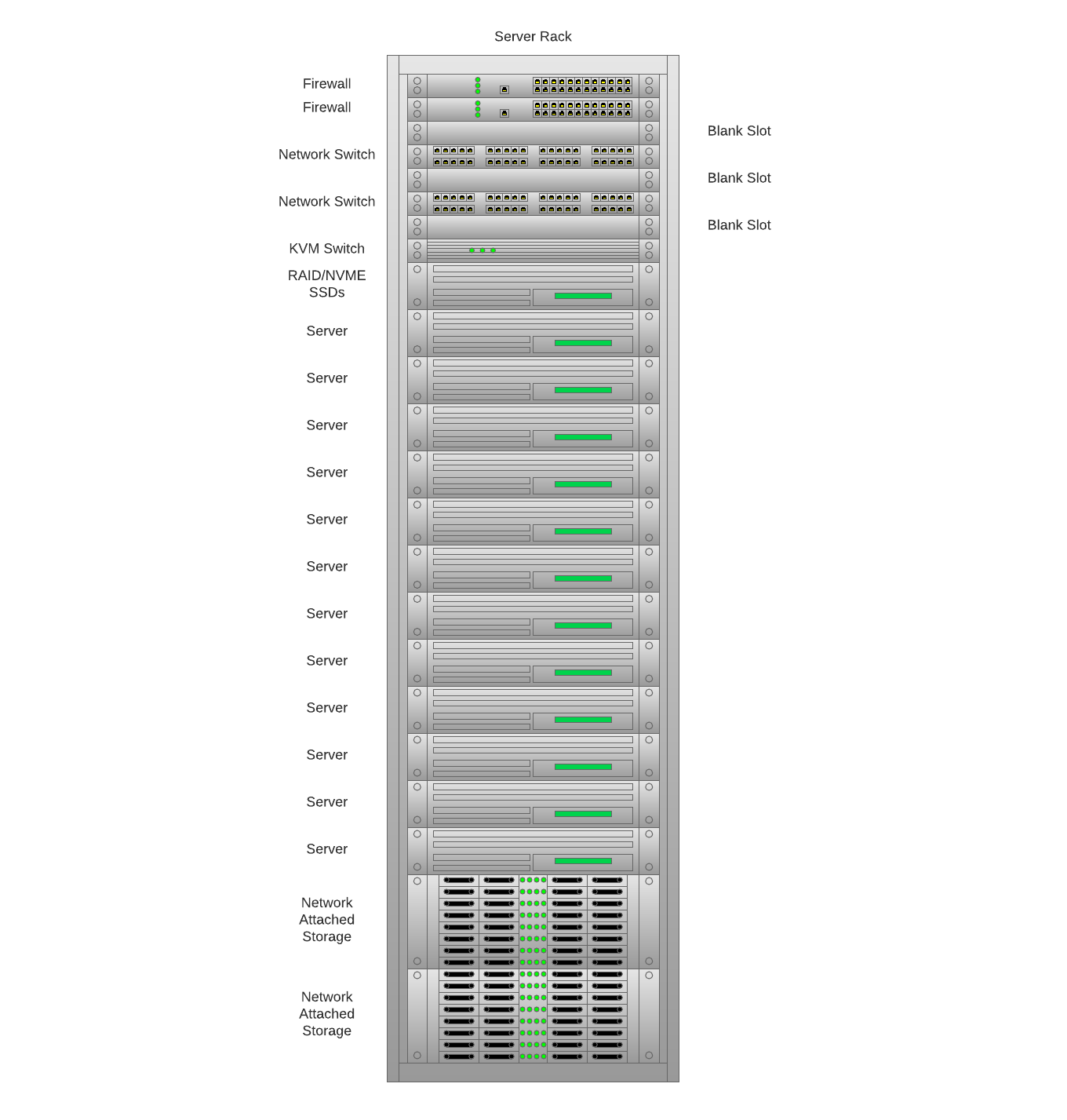
The truth is, nobody in their right mind sits in a comfortable chair with their favorite drink and reads a technical manual from beginning to end or glances through depictions of their company’s server rack for fun. Nobody reads documentation—until they need to.
But, as you’ll learn from this article, there are many circumstances where network documentation will become essential in your organization. Learn what you should start documenting and what value you’ll gain from these resources.
What is network documentation?
Network documentation is a technical record of the hardware, software, servers, directory structure, user profiles, data, and how it all works together.
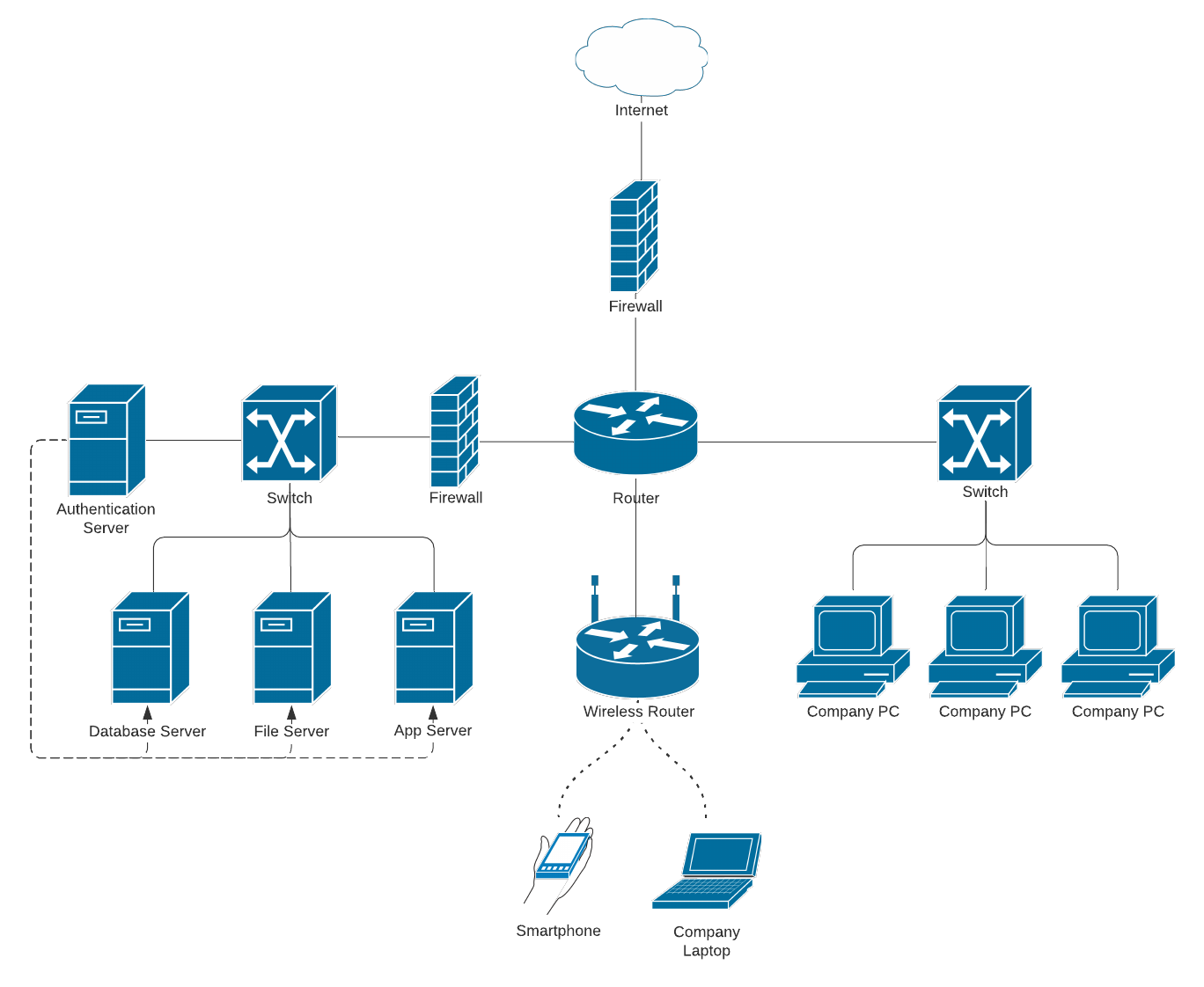
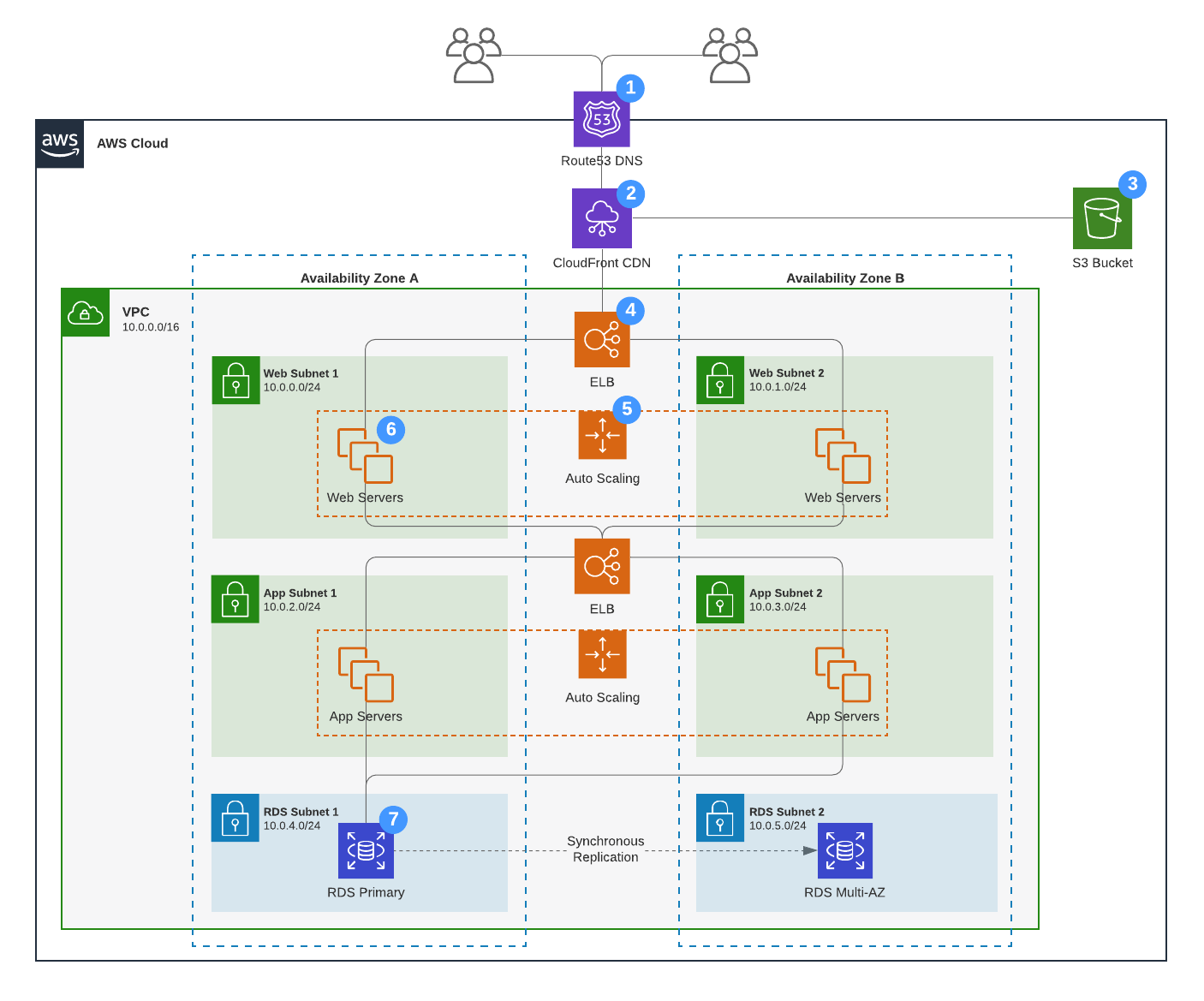
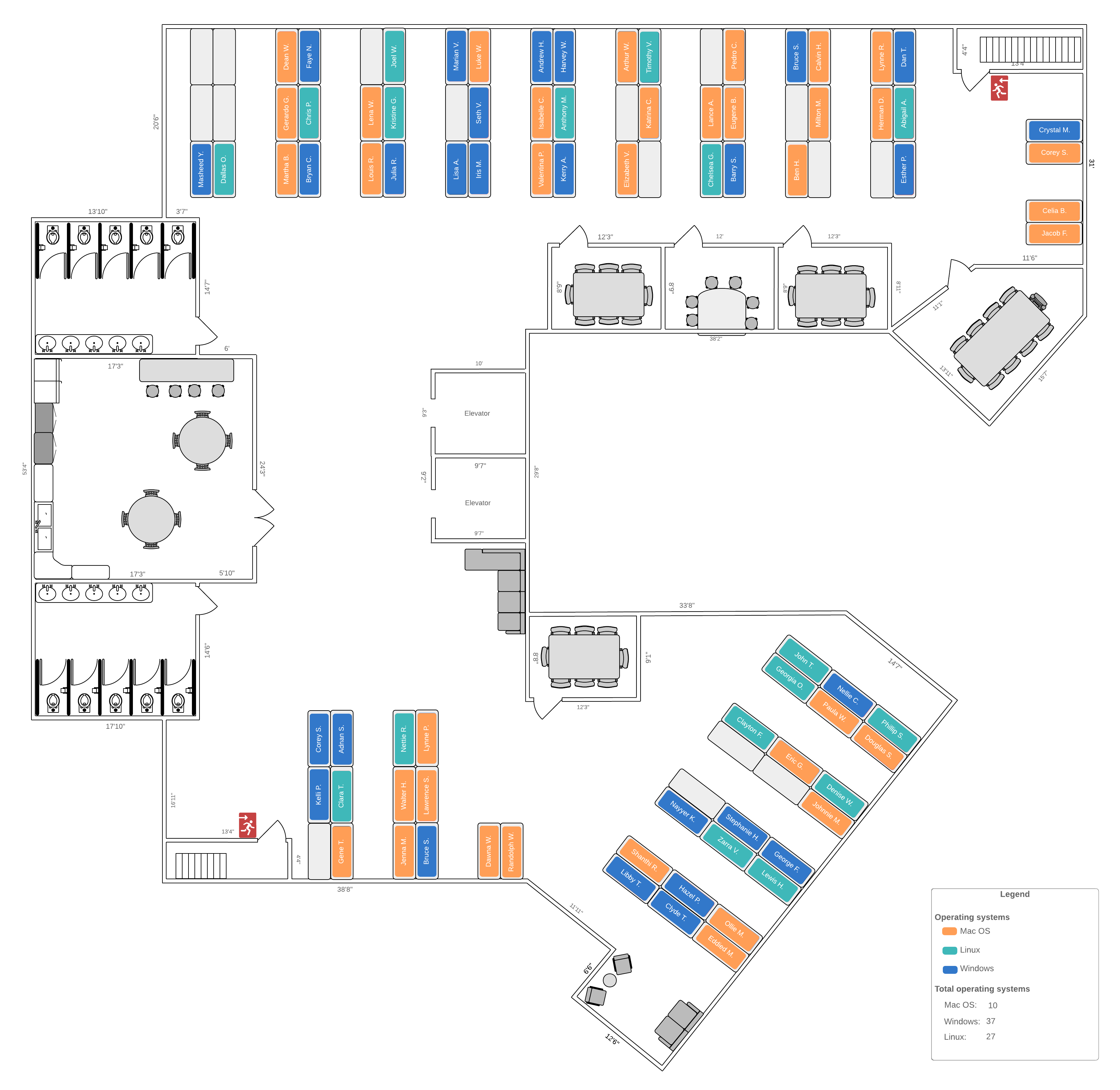
Network documents should include any information that helps administrators and IT professionals to keep the network up and running smoothly. This information can be in any format you want (although you’ll see that we recommend diagrams and other visuals for quick reference and improved communication with non-technical employees).
What matters most is that the information is easily accessible and can be understood by all who need to refer to it. Using network diagram software can help visualize the current and future state of your network and allows you to create network diagrams according to industry standards.
Why do you need network documentation?
Consider the following scenario:
You have landed a good job with a great company as the head of IT after the previous IT head left the company to pursue other interests. When you start, you meet with your manager who tells you what is expected of you in this role. Your predecessor had done most of the groundwork for ordering new servers and software to run the network. You are expected to act quickly to complete the orders and implement the network changes.
Back in your office, you look for documentation that will help you understand the network’s current setup. However, you quickly find out that there is not much documentation other than a few notes here and there. There is no IT plan and nothing that describes current resources and architecture. You can’t find anything that justifies the request for new hardware and software.
It takes you more than three months to draw up plans and figure out where everything should go. How much easier would your job have been if your predecessor had taken the time to produce network infrastructure documentation?
Network documentation is important for the following reasons:
- Proper documentation can save you from time-consuming research to fix recurring problems.
- When everything is in place and everybody follows the same processes and procedures, consistency across the network helps to reduce problems and errors.
- You won’t lose important information when a knowledgeable employee leaves the company.
- The documentation helps you to onboard new hires much more quickly.
- You can troubleshoot your network faster when issues come up.
In addition to providing detailed documentation, you should also try to make it a practice to ensure that more than one employee has all the knowledge. That way, you are double-covered when your knowledgeable employee leaves because you have a reliable set of documentation as your backup.