Whether you plan on an annual, semiannual, or quarterly basis, leaders and teams regularly gather together to prioritize initiatives, set milestones and deadlines, finalize budgets, and start executing as soon as plans are finalized.
But strategic planning may look a bit different in a remote work setting. While many organizations have started to acclimate to operating remotely, strategic planning was hard before remote work, and now this already challenging and high-stakes process is even harder.
The reality is that strategic planning isn’t newly broken by remote work and uncertainty. There have been bottlenecks, process gaps, and communication breakdowns deeply embedded in the “old ways” of strategic planning far before the remote work shift. We’re just now seeing these flaws in a harsher, more apparent light than ever before.
We’ll address these concerns in this article, as well as how to use visuals to adapt to a new (and better) version of strategic planning.
The challenges of strategic planning in general
Strategic planning is forward-looking, meaning as you plan, you can—and should—look ahead and anticipate the needs of customers. Maybe your company could see a surge in business if you create new features, fine-tune your customer service processes, or launch an entirely new product. All great ideas.
But turning passionate meetings into concrete plans that accurately account for the time and resources required months ahead isn’t easy.
Even in a world not turned upside down, here are some common reasons why strategic planning can be so difficult:
- Lots of preparation: Strategic planning requires tons of preparation, such as coming prepared with market position analysis and a solid understanding of your existing resources.
- Lengthy: Planning sessions can be several hours long.
- Large scope: Strategic planning requires long-term thinking about your intended product offering, proving difficult to make decisions now that will impact products or services years down the road.
- Breaking focus: Because meetings are long, employees can become disengaged, can become tired, and may start working on other tasks during the meeting instead of the planning at hand.
- Unknowns: While planning for the future, it can be challenging to account for unknowns, such as employee turnover, resource allocation, and market changes.
- Limited visibility: Strategic planning accounts for multiple different moving parts, and it’s hard to gain visibility into all the projects, dependencies, and timelines.
- Little documentation: When great ideas are flying around the room, it can be challenging to get them down on paper. Or if they’re being jotted down on a whiteboard and the board gets erased, then where will you be?
- Few actionable next steps: You may manage to get some ideas on paper, but you rarely ever leave with a concrete action plan and understanding of what comes next.
More challenges could be added to this list—and these barriers to effective strategic planning existed long before a sudden move to working from home.
How remote work has affected strategic planning
The global shift to remote work due to COVID-19 poses new challenges to our planning process, on top of challenges that already existed. Gone are the days of hashing out details and action items around the same table, in the same room, by swiveling your office chair, or by running into your co-workers in the hallway.
Employees now resort to countless video calls, late-night emails, reminders for colleagues to unmute their audio, or repeated conversations after one co-worker ushers their kids out of the room. There’s no denying that employees are seriously burned out.
It’s difficult to keep employees on the same page, especially across teams, departments, and the organization as a whole. Working from home may mean more distractions and less defined working hours for some.
The nature and side effects of remote work could cause strategic planning to be a disengaging and ineffective use of time, resulting in underwhelming goals, half-baked execution plans, and failure to achieve your objectives, all of which ultimately harm your business and throw you back into the shadows of your competition.
Ask yourself what is necessary to acquire new customers in this “new normal.” How can you retain and nurture your existing customer base? Strategic planning helps you address these questions. And once you do, go deeper into strategy planning to:
- Identify a clear path forward.
- Align your organization and teams.
- Gain an edge on your competition.
- Visualize what you can (and can’t) accomplish in the next year.
- Understand your market position, despite current uncertainties.
- Turn motion into action.
So you understand why you need to dive into strategy planning in a remote world, but how? That’s where Lucidchart comes in.
Use Lucidchart for strategic planning
A series of dense spreadsheets and a dozen (or more) faces on a conference call may look like you’ve accomplished your planning, but how does that translate into understanding and clarity about the next year?
Your business’s success is not dependent on if you conduct strategic planning sessions, but how you conduct them and what the outputs are.
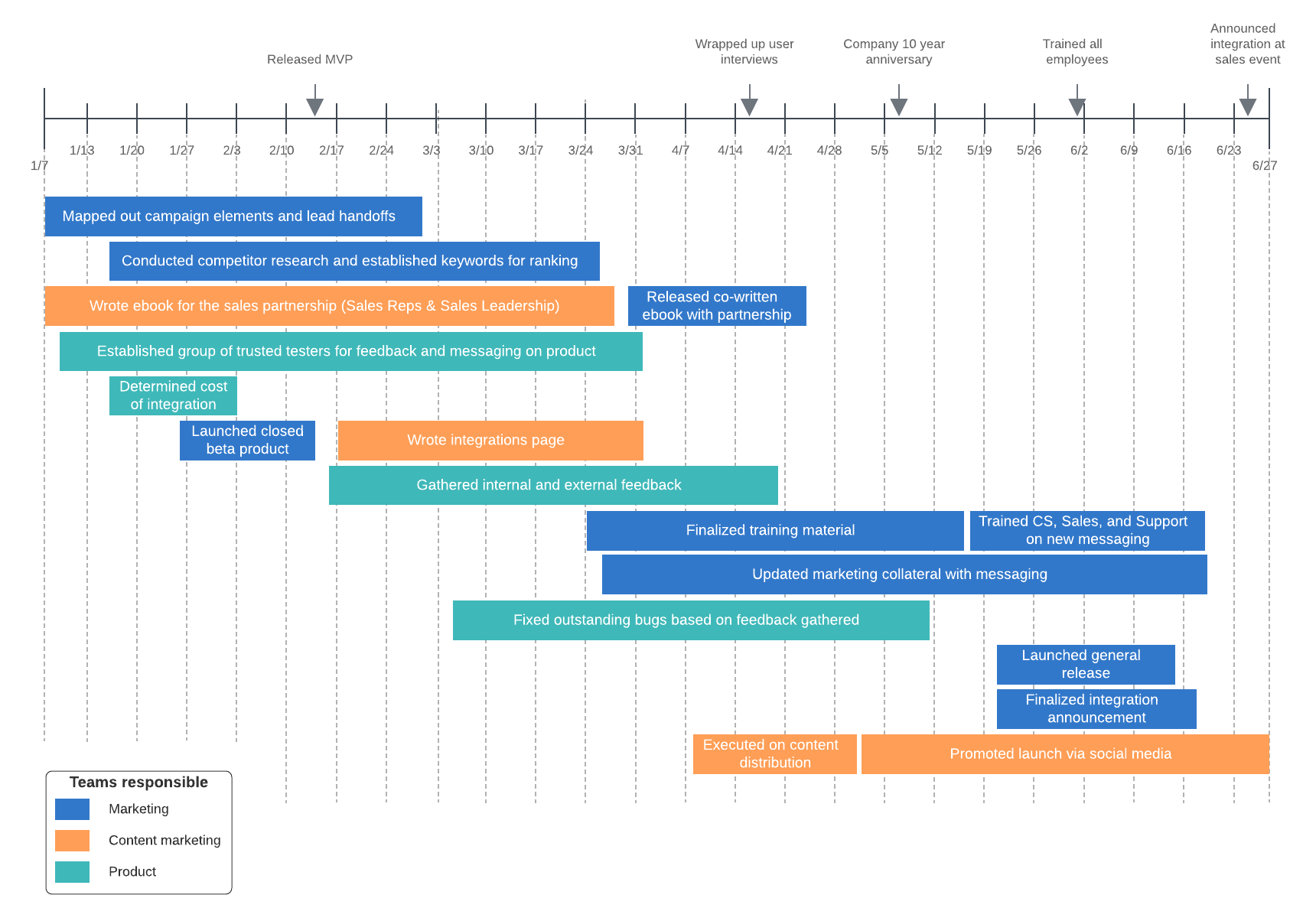
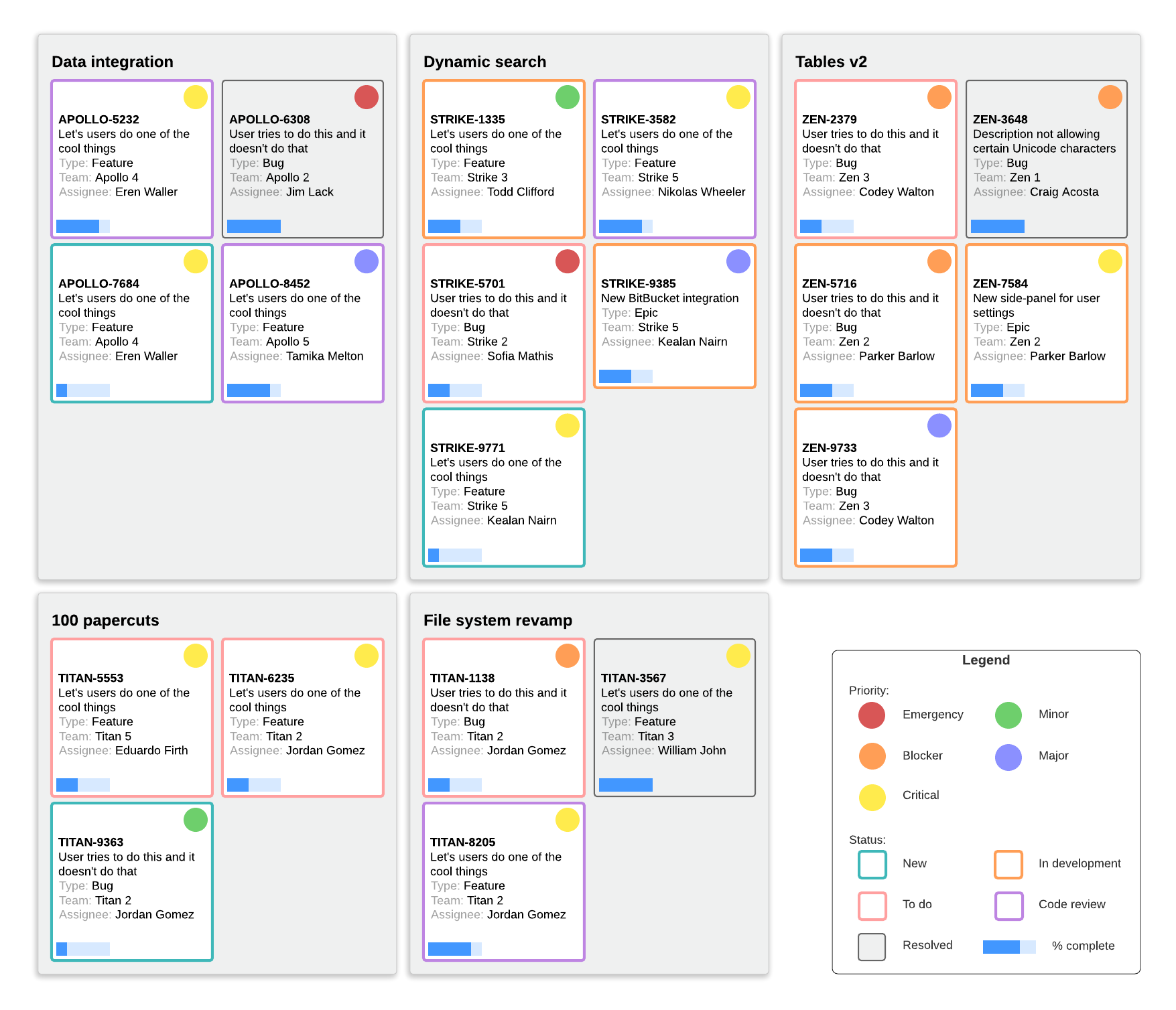
Take advantage of the entire Lucid visual collaboration suite to make your strategic planning sessions more effective. To start, use Lucidspark for your first steps of brainstorming to get everyone working together on a single board, making everyone’s voice heard and ensuring everyone comes to an agreement around high-level goals, objectives, and priority.