The onboarding process is crucial in setting up new hires for success. But it’s one thing to successfully onboard one person and another to successfully onboard forty people on the same day. With rapid growth, your onboarding process is put through more trials and these bring more chances for the whole process to break down.
Here’s our best advice for avoiding breakdown while maintaining the integrity of your onboarding process, no matter how large your company becomes.
Why it matters
The onboarding process is much more than just first day procedures or a new hire orientation.
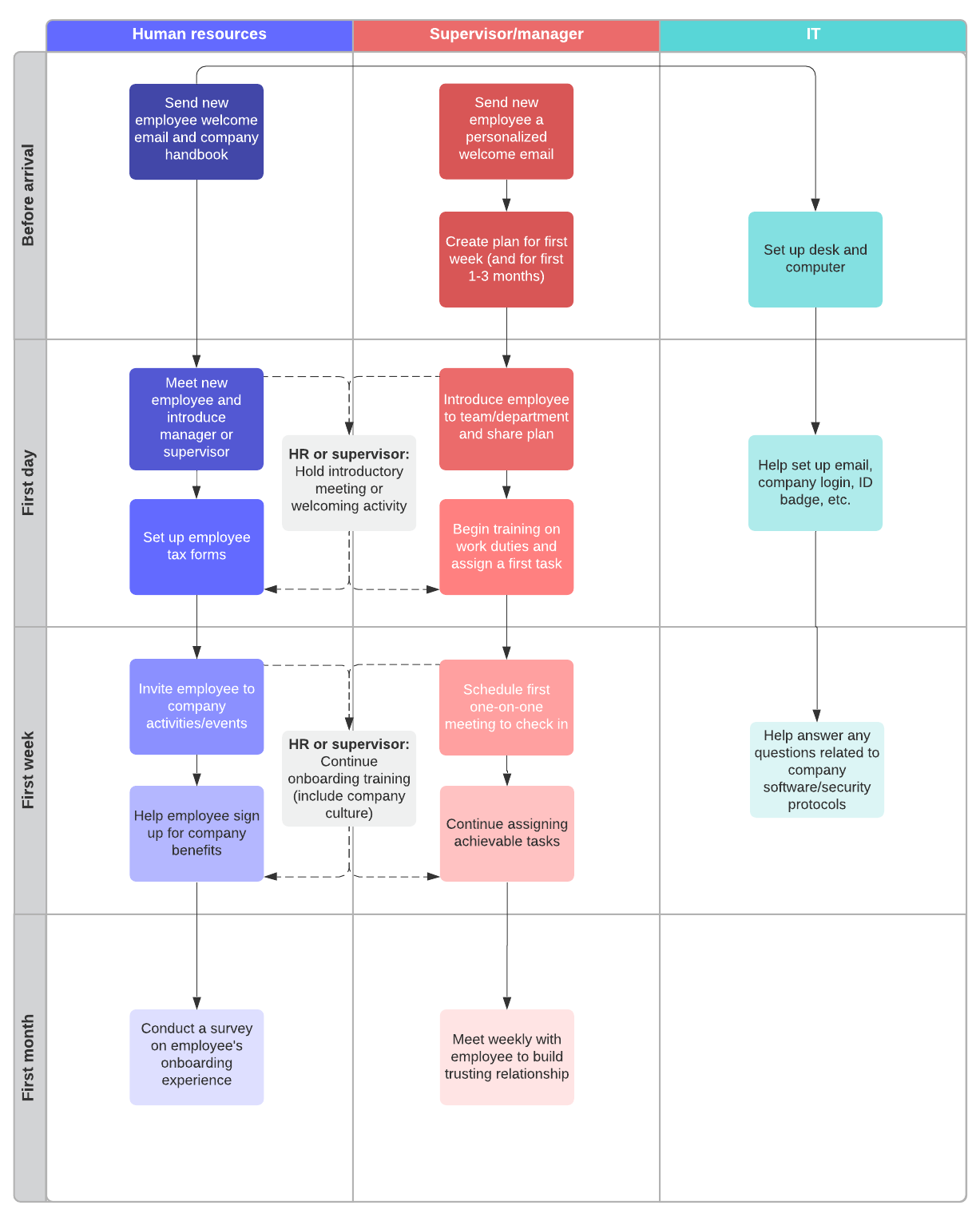
Onboarding can and should include:
- Paperwork (tax paperwork, employment agreements, healthcare paperwork, etc.)
- Going over job expectations and setting schedule for 1-on-1s and performance reviews
- Being buddied up with a mentor
- Sexual harassment prevention training
- Coworker introductions
- Processes and software introductions (including getting the new hire set up on their computer and signed into company apps)
- New hire orientation
- Employee development planning
- Benefits training
A strategic onboarding process is the company’s first and best chance to make a great impression. It’s during the onboarding process that an employee typically decides whether or not they’ll be staying with the job for the long term. Considering that employee turnover can be a massive cost for your organization, this is vitally important. In fact, research performed by the Office of State Personnel in North Carolina found that, “employees will decide within 10 days if they intend to stay with the organization or begin looking for a different job.”
But beyond preventing turnover, the onboarding process helps keep your company culture intact, make and preserve loyalty, improve productivity, and avoid burnout.
7 steps to scaling your onboarding process
We’ve cut through the noise to give you the seven best ways to scale your onboarding process. Each one is great on its own, but together they make a solid strategy.
1. Keep your company’s culture at the center of onboarding
Your company’s culture is one of your most valuable assets. But that culture can’t exist without your employees. At the heart of your company’s culture is its purpose. A mission statement outlines where your business is headed. Your corporate culture and values detail how you’re going to get there.
When your employees don’t understand your company’s mission, it’s impossible for them to succeed. Make the organization’s mission statement, culture, and values the first thing each hire learns. In fact, it’s smart to give each employee a written mission statement along with an outline of your values. They can keep these at their desks and refer to them often.
2. Fine-tune your recruitment process
Your recruitment process needs to be documented and stored where everyone involved in hiring can access it. We have plenty of templates that will walk you through creating your own recruitment process and linking to vital documents that can be accessed through a central location.
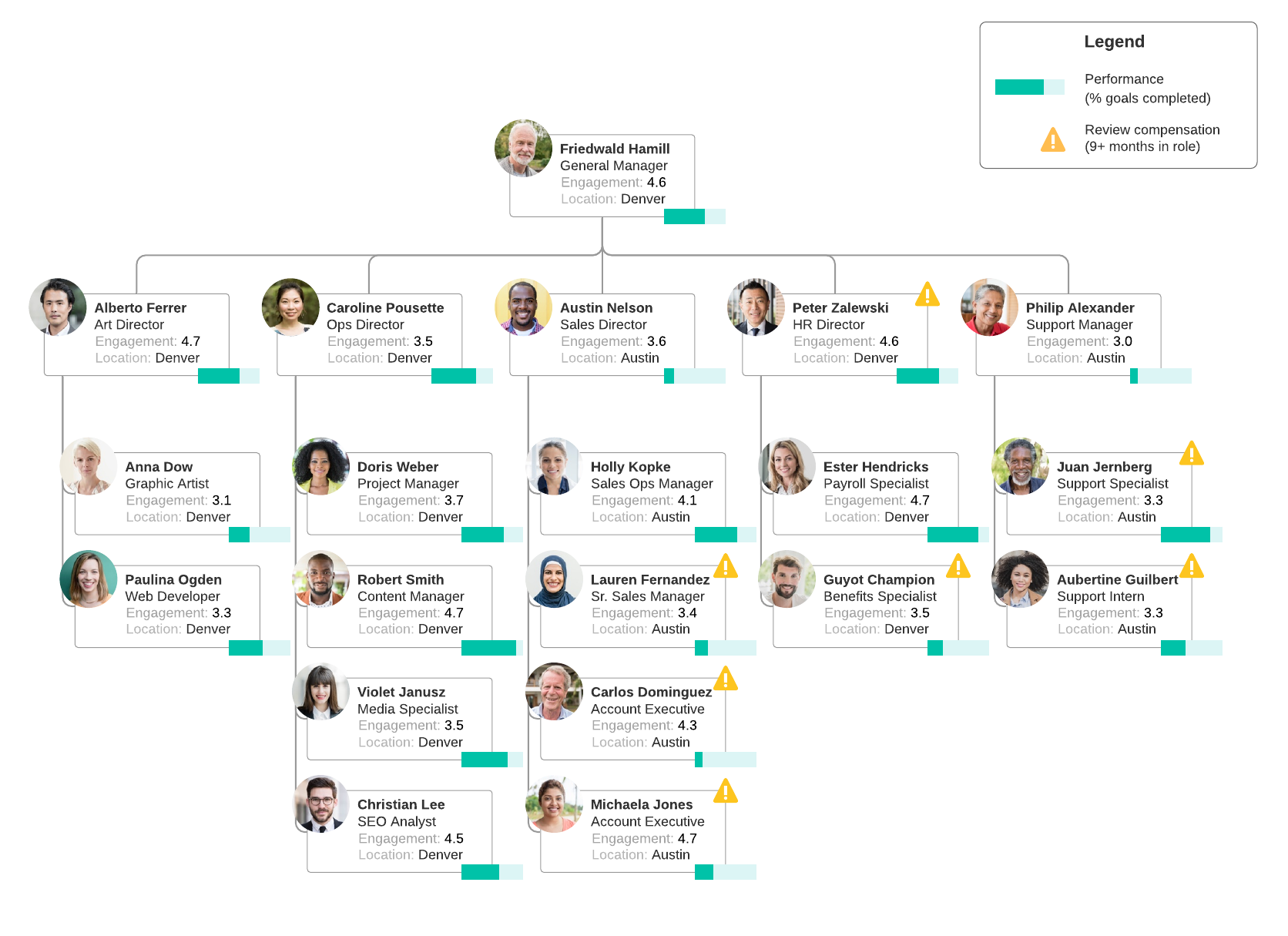
Since it’s difficult to predict upcoming employment needs, we recommend keeping an up-to-date organizational chart handy. Org charts help you immediately visualize the company as a whole, detect current gaps, and anticipate future hires. They can also make it easier to efficiently reorganize the structure of your company in the future.