3. An inability to adjust or modify the plan when needed
Not every process improvement initiative is foolproof. In fact, the undertaking of change itself comes with the expectation to measure progress. Recognize failures and still move forward.
Unfortunately, our human nature gets in the way. Many process owners adhere to the plan’s roadmap without reevaluating if the objectives continue to align clearly with corporate goals. As leaders, we should constantly scrutinize our performance metrics and adapt accordingly.
It’s a strategy familiar to Willink as a military officer. And today as an executive coach.
“Leaders must face the facts through a realistic, brutally honest assessment of themselves and their team’s performance. Identifying weaknesses, good leaders seek to strengthen them and come up with a plan to overcome challenges. The best teams anywhere, like the SEAL Teams, are constantly looking to improve, add capability, and push the standards higher.”
At every stage throughout your initiative, ensure that routine project reviews are taking place.
By doing so, you will become better equipped to recognize bottlenecks or inefficiencies in your organization’s plan. It also offers stakeholders more opportunities to make corrections on the fly.
Remember to operate with a certain degree of humility. Admit to mistakes or miscalculations, and strive to overcome unforeseen challenges to ensure success for the plan. And your team.
4. A failure to communicate key details of the plan to others
For a process improvement plan to take shape, everyone involved must understand the inherent value of the initiative at hand—from senior leaders and process owners to front-line employees.
Unfortunately, many work process ideas become implemented without a solid understanding of desired outcomes of the plan from all of its participants. Without focus and a sense of purpose, it becomes increasingly difficult to produce tangible results or maintain enthusiasm for the plan.
And you’re left wondering where everything went wrong. Sound familiar?
It’s never simply one thing. Typically, the failure to improve a process is a myriad of missteps or oversights that occur just as you felt the overall process improvement initiative was going well.
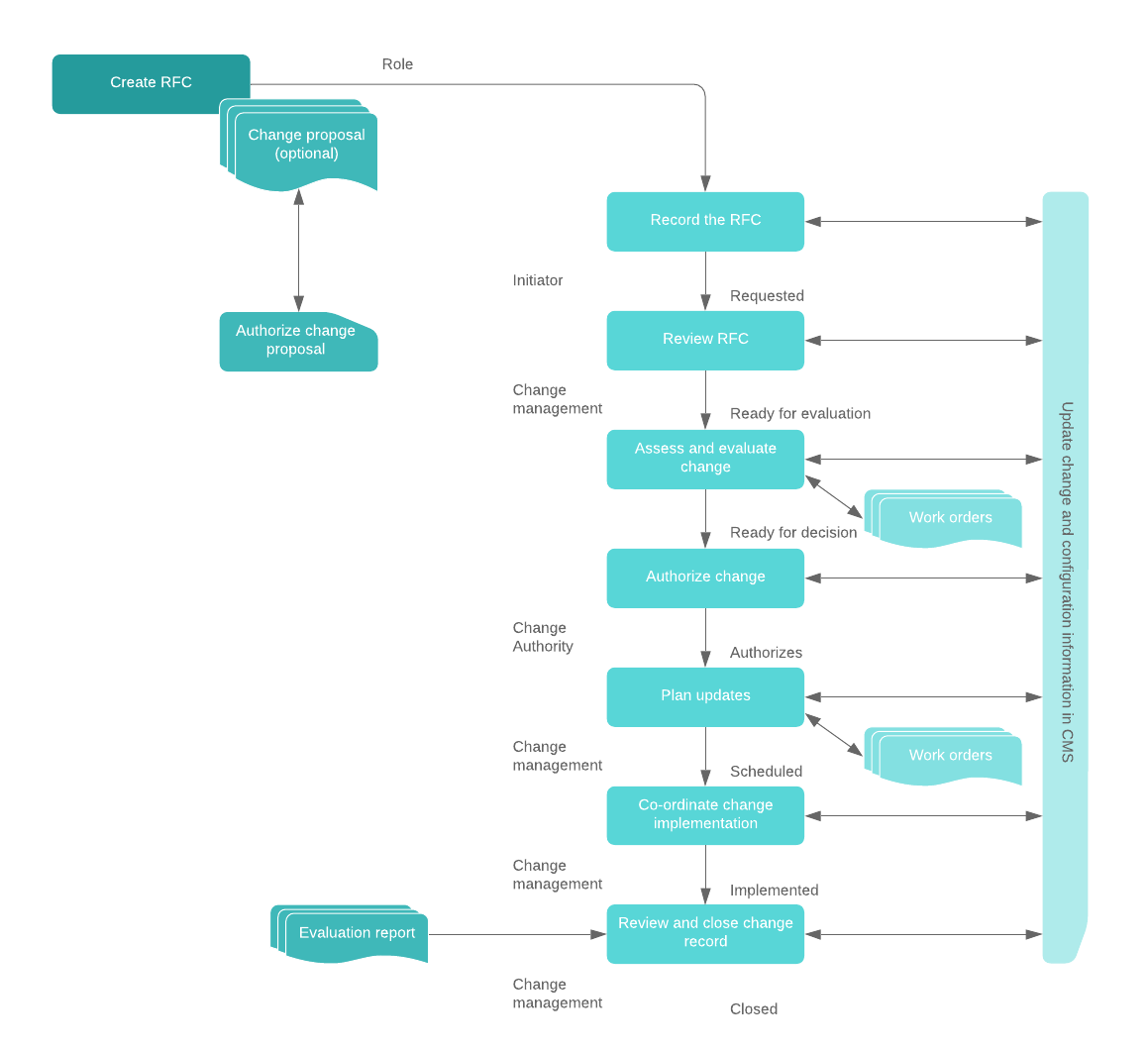
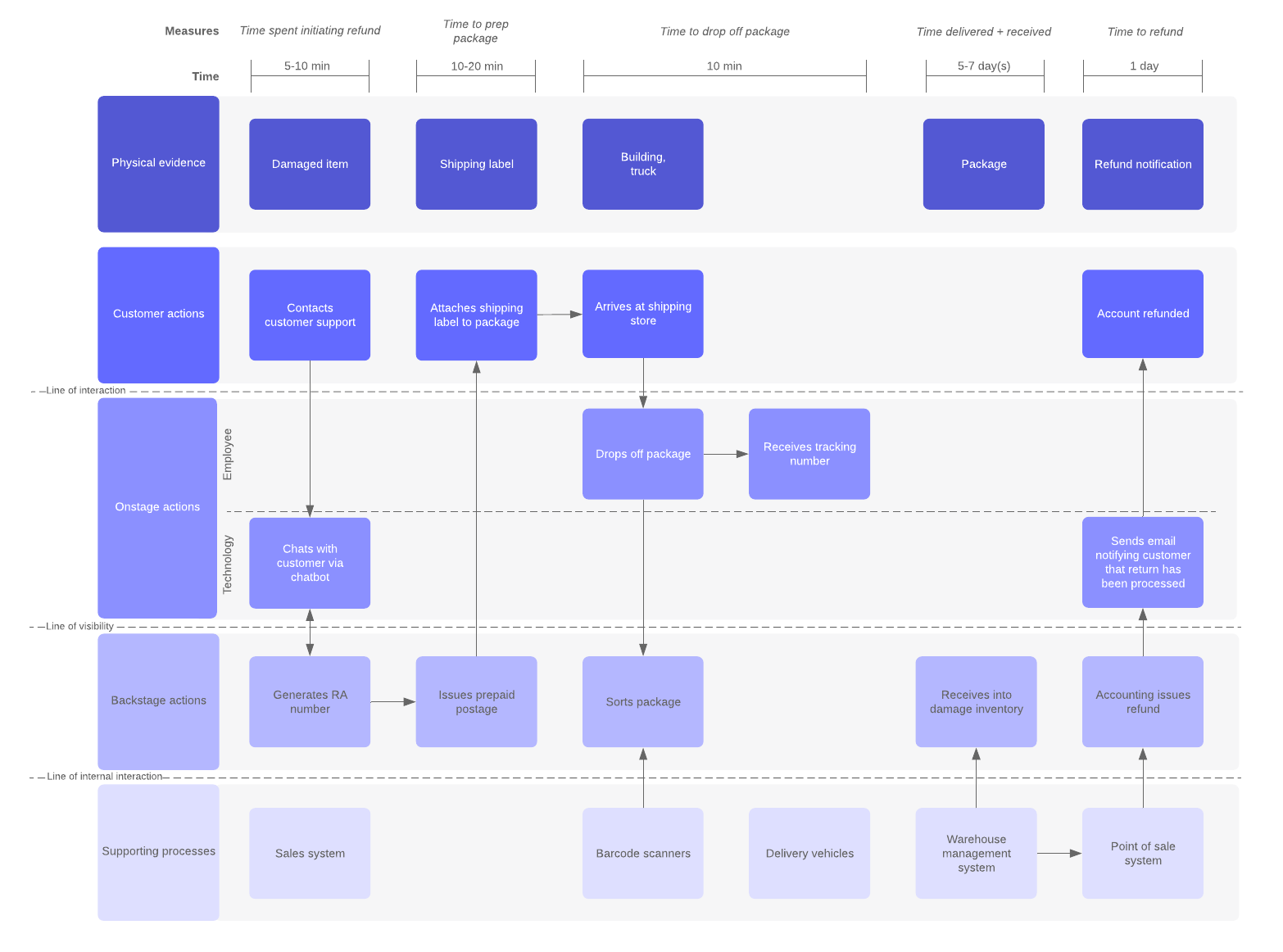
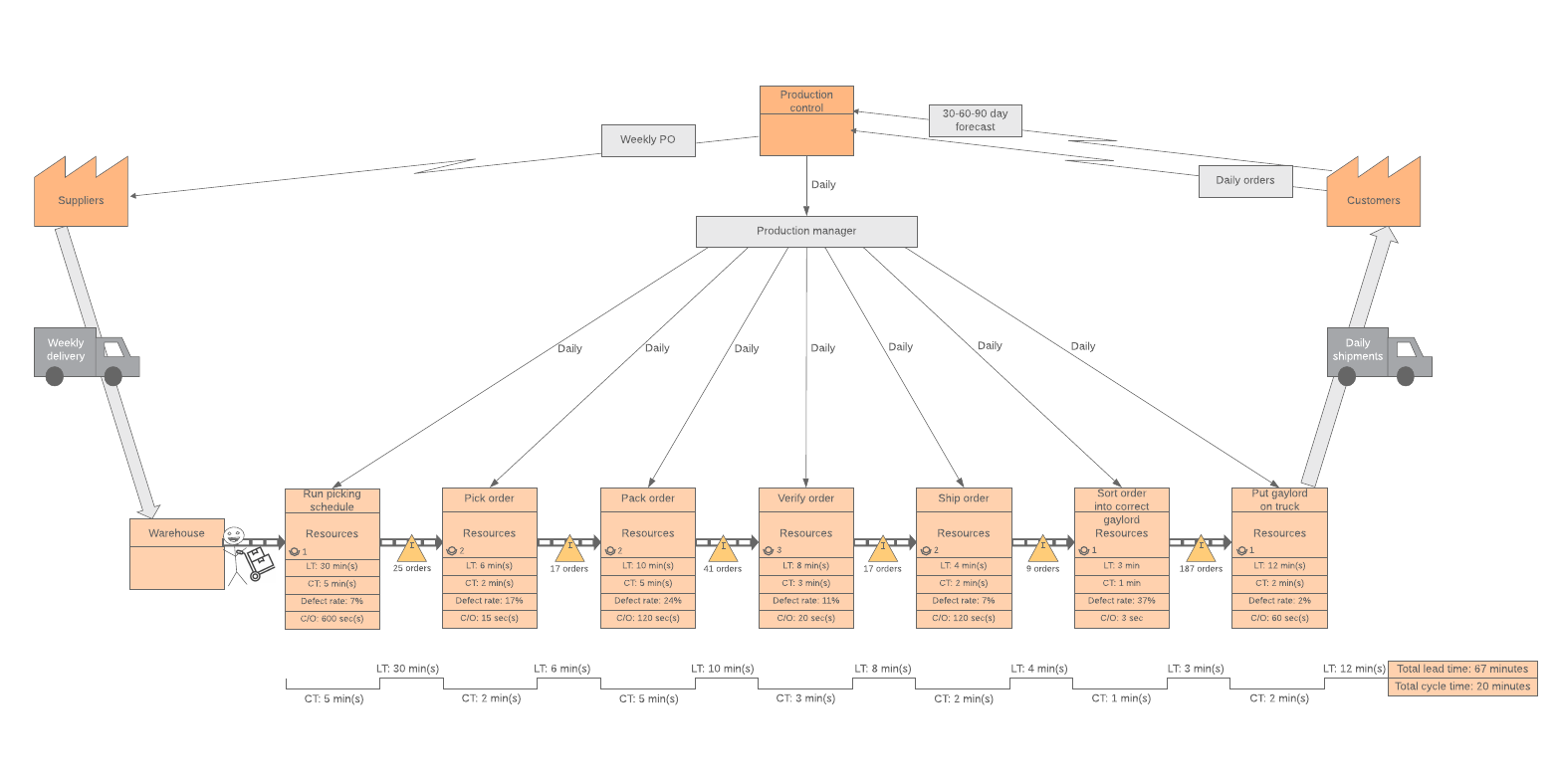
So if you seek to better communicate your plan’s intricacies to others, map them out visually.
Once every team member can see the big picture and understands their role in the process, it becomes easier to uncover where there’s potential for refinement, elimination, or cooperation.
Whether you’re outlining a revamped sales process for your regional field representatives or diagramming the flow of goods, services, and information inside and outside the organization, the Lucidchart template library offers all the resources needed to help you get started.
Lucidchart also makes it possible for you to provide your team with instant access to real-time updates and changes—linking all of your organization’s process documentation in one place.