When researching their options, consumers again rely on internal and external factors, as well as past interactions with a product or brand, both positive and negative. In the information stage, they may browse through options at a physical location or consult online resources, such as Google or customer reviews.
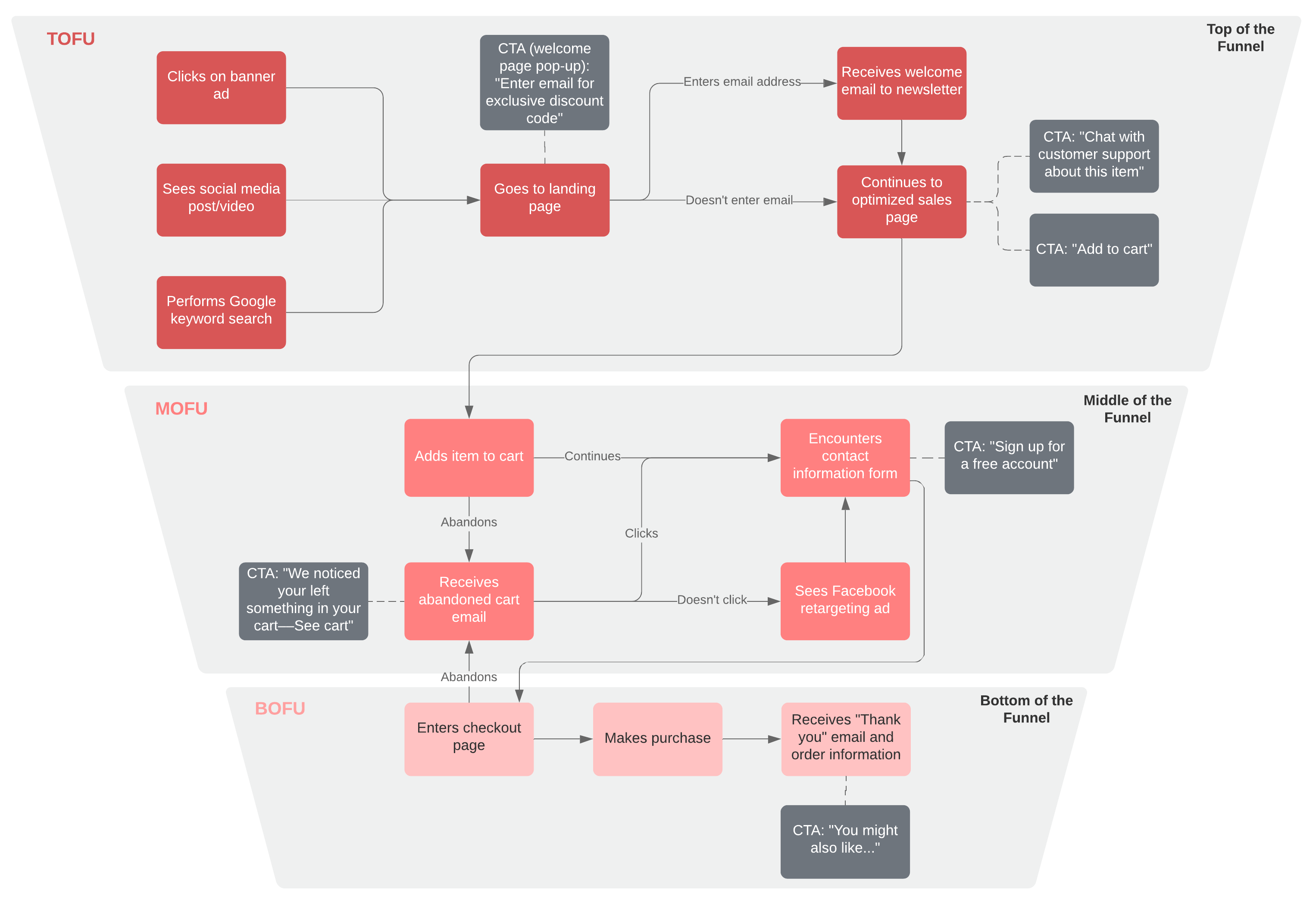
Your job as a brand is to give the potential customer access to the information they want, with the hopes that they decide to purchase your product or service. Create a funnel and plan out the types of content that people will need. Present yourself as a trustworthy source of knowledge and information.
Another important strategy is word of mouth—since consumers trust each other more than they do businesses, make sure to include consumer-generated content, like customer reviews or video testimonials, on your website.
Example: The customer searches “women’s winter coats” on Google to see what options are out there. When she sees someone with a cute coat, she asks them where they bought it and what they think of that brand.
3. Alternatives evaluation
At this point in the consumer decision-making process, prospective buyers have developed criteria for what they want in a product. Now they weigh their prospective choices against comparable alternatives.
Alternatives may present themselves in the form of lower prices, additional product benefits, product availability, or something as personal as color or style options. Your marketing material should be geared towards convincing consumers that your product is superior to other alternatives. Be ready to overcome objections—e.g., in sales calls, know your competitors so you can answer questions and compare benefits.
Example: The customer compares a few brands that she likes. She knows that she wants a brightly colored coat that will complement the rest of her wardrobe, and though she would rather spend less money, she also wants to find a coat made from sustainable materials.
4. Purchase decision
This is the moment the consumer has been waiting for: the purchase. Once they have gathered all the facts, including feedback from previous customers, consumers should arrive at a logical conclusion on the product or service to purchase.
If you’ve done your job correctly, the consumer will recognize that your product is the best option and decide to purchase it.
Example: The customer finds a pink winter coat that’s on sale for 20% off. After confirming that the brand uses sustainable materials and asking friends for their feedback, she orders the coat online.
5. Post-purchase evaluation
This part of the consumer decision-making process involves reflection from both the consumer and the seller. As a seller, you should try to gauge the following:
- Did the purchase meet the need the consumer identified?
- Is the customer happy with the purchase?
- How can you continue to engage with this customer?
Remember, it’s your job to ensure your customer continues to have a positive experience with your product. Post-purchase engagement could include follow-up emails, discount coupons, and newsletters to entice the customer to make an additional purchase. You want to gain life-long customers, and in an age where anyone can leave an online review, it’s more important than ever to keep customers happy.
Tools to better understand your customer
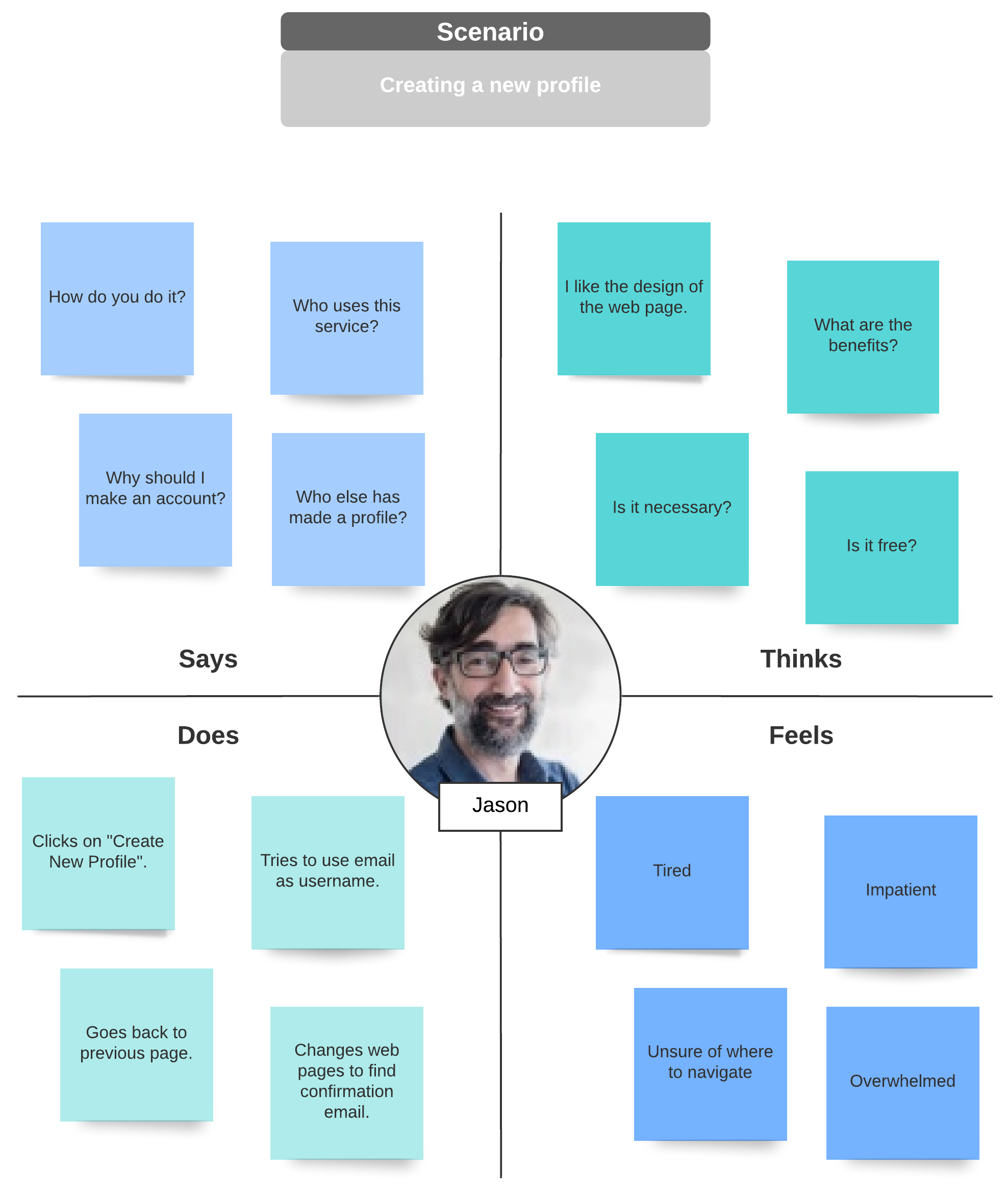
Putting yourself in the customer’s shoes can help you steer consumers towards your product. Here are some tools to help you analyze their decision-making process and refine your brand marketing and sales tactics.
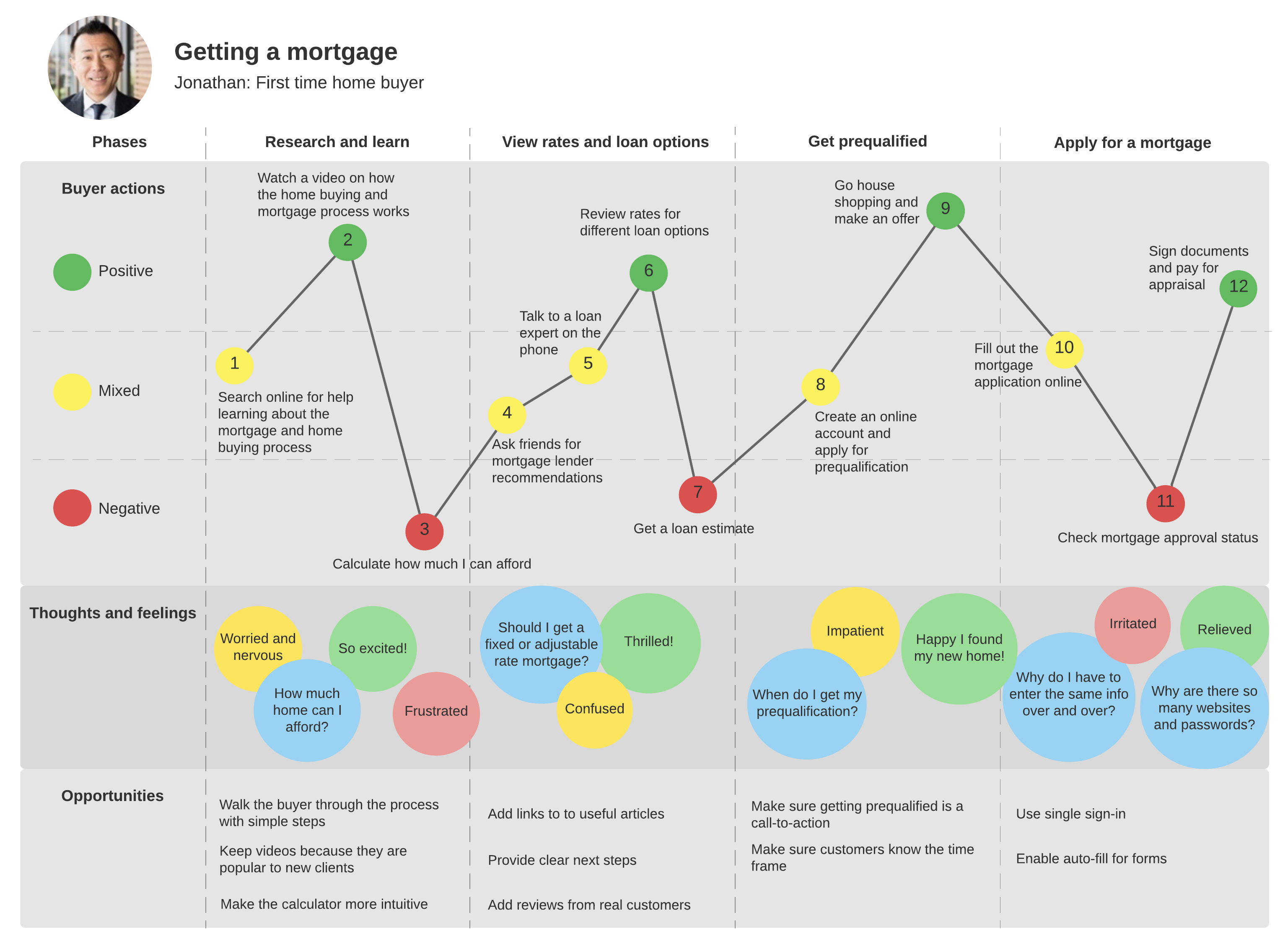
Customer journey map
A customer journey map visualizes a hypothetical customer’s actions. Use it to empathize with your customers as they go through a specific process or try to complete a purchase. Map out the actions the customer is likely to take.
Learn how to make a customer journey map to understand the decision-making process for your product/service.