As a general practice inside and outside of work, it’s best not to overpromise. In fact, a great way to build rapport with a new stakeholder is to underpromise and overdeliver—set clear expectations on what you can deliver for all stakeholders, and then go the extra mile to deliver even more than they weren’t expecting. Those small steps, when coupled with quality work, give teammates and stakeholders confidence, giving you a great reputation and evidence that you’re worthy of tackling larger and more important projects.
No matter what, setting clear expectations requires that you have a clear concept of your abilities, which brings up the next quality of a good project manager.
3. Know what you don’t know
No one knows everything. The best leaders, visionaries, and project managers understand their skillsets—but also their limitations. Knowing what you don’t know is a valuable position as a project manager because it helps set expectations for everyone around you (you wouldn’t take on the responsibility of designing a new website if you weren’t skilled in web development, would you?) and also allows others to focus on their greatest strengths.
It takes honesty, humility, and a keen sense of self to admit what you don’t know. Next, let’s look at some character qualities that serve project managers well when assessing their own strengths and weaknesses.
4. Don’t take things personally
Remind yourself that everyone starts somewhere. Learning new skills and acquiring new knowledge is the foundation of growth. Project leaders who are able to channel humility while also achieving great work give their teammates space to also self-assess and be clear with their won expectations. As a result, the entire team will be willing to step in and do what they’re great at, but they will also feel safe and brave enough to take a step back and allow someone else to take the lead. And the result is a better project.
5. Ask for help when you need it
If you don’t know something, ask for help. Be more in tune with the goal of a great finished project than the goal of a great reputation. Yes, career reputations are important, and they can be linked to work competency. But overestimating your abilities and taking on more than you can chew can lead to disappointment—and ultimately a tarnished relationship with your stakeholders. Asking for help is a great way for project managers to communicate that they care more about a great finished project than they do about themselves.
6. Be willing to trust
Instilling trust in teammates and supervisors will help you build a great working relationship and improve your ability as a leader and project manager. When people feel trusted, they work harder, tend to return the trust, and are willing to do the extra steps that take projects from good to great.
Conversely, if you’re asking for help while still not trusting the person from whom you’ve borrowed help, it can lead to anxiety or micromanagement—no one enjoys being micromanaged. Be willing to pass off the reins while still maintaining control and responsibility over the most important parts of the project.
7. Be a constant supporter
Everyone loves receiving praise for their hard work. Great project managers are adept at giving real concrete feedback, but also don’t hold back recognition when someone does a great job. They know that every team member has a unique value, and has made a choice to be a part of their company and project, and that choice should be respected.
Figure out ways to make everyone’s job easier—and that could include directly asking teammates what you can do to help or even being a sounding board for all-too-common frustration. When someone does a great job, tell them thank you and send the message to other team members that they will receive the same respect and appreciation when they do a great job.
Remember that appreciation can be a currency, just like a salary or quarterly bonus. When people feel appreciated, it can provide returns far higher than an increased salary.
RELATED: Want to pursue a full-time career in project management? Check out the project manager career path.
8. Be proactive
Great project managers are constantly looking for ways to support and improve, even while sticking to processes and detailed plans. Good project managers keep things on track—great project managers keep things on track while anticipating how to keep the next phase on track.
9. Be willing to learn
The minute you’ve accepted that there is nothing else to learn is the exact minute that you cease to grow. Project management is a field that requires such an expansive range of knowledge, skill sets, and temperament, that one could spend their entire life refining their knowledge and skills and still have something they can improve on.
Processes can always be more efficient, communication can always be more clear, team members can always elevate their skills or work together more seamlessly. A good project manager is highly organized, goal-oriented, and easygoing enough to dive into new challenges.
A step further
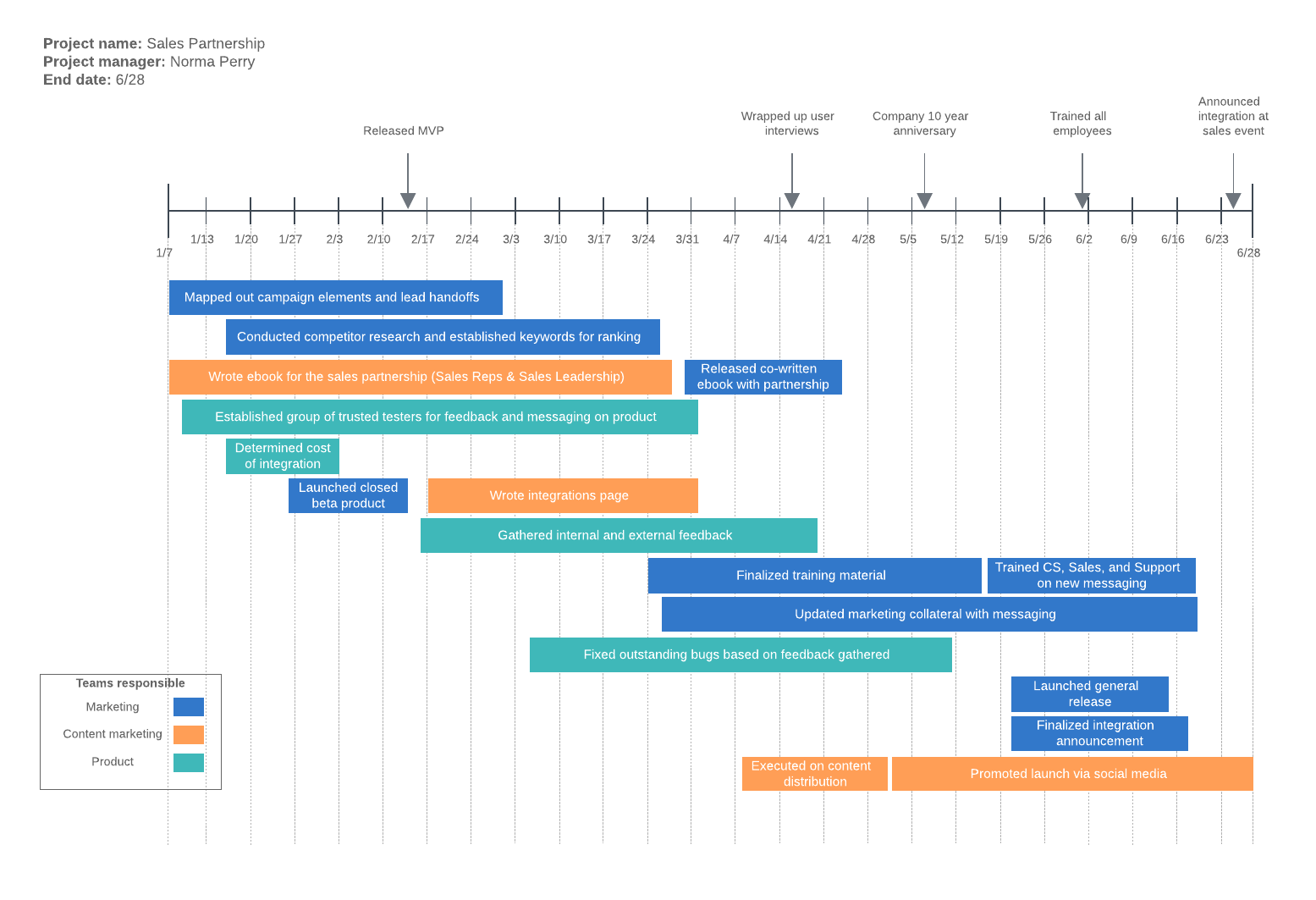
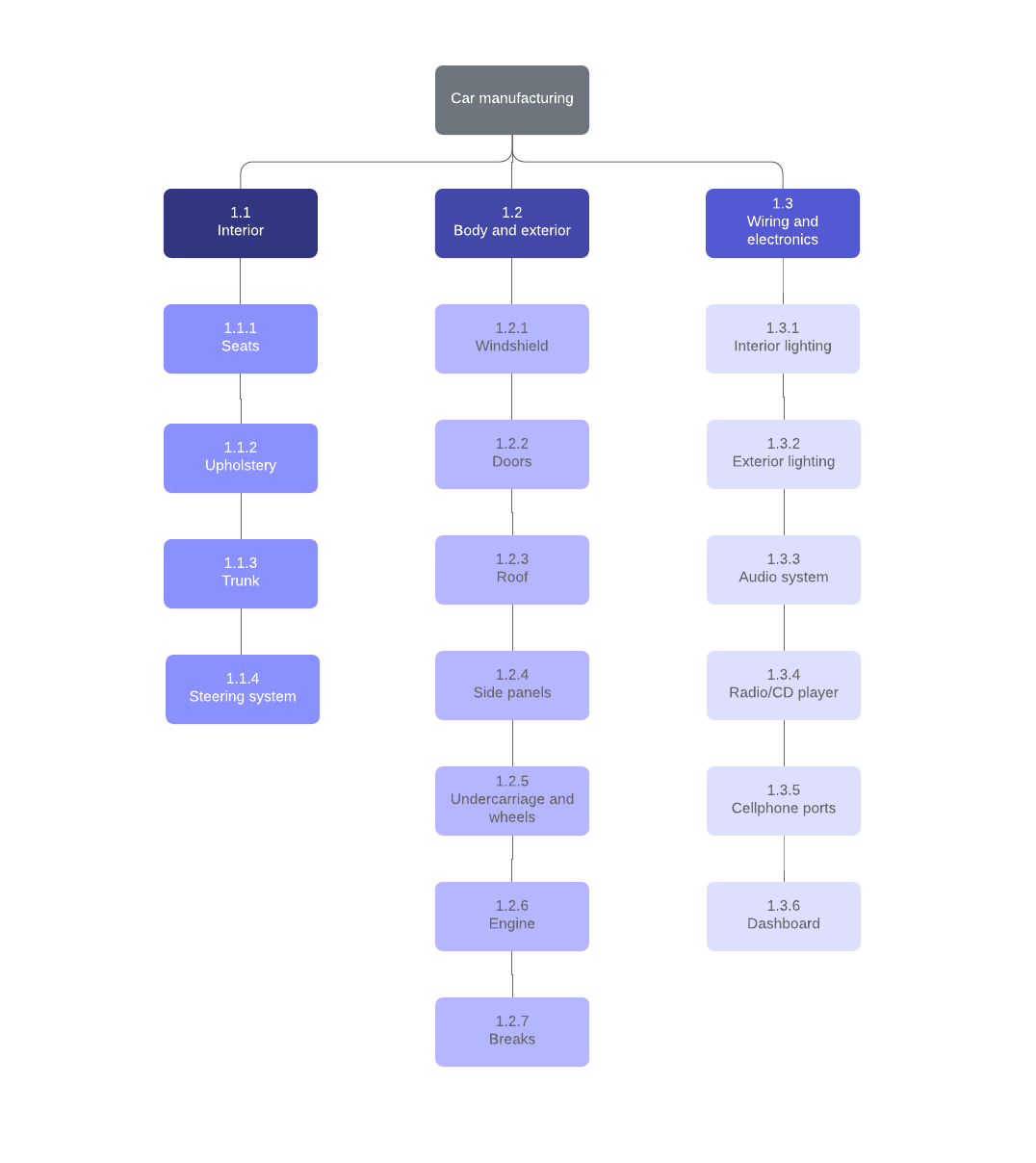
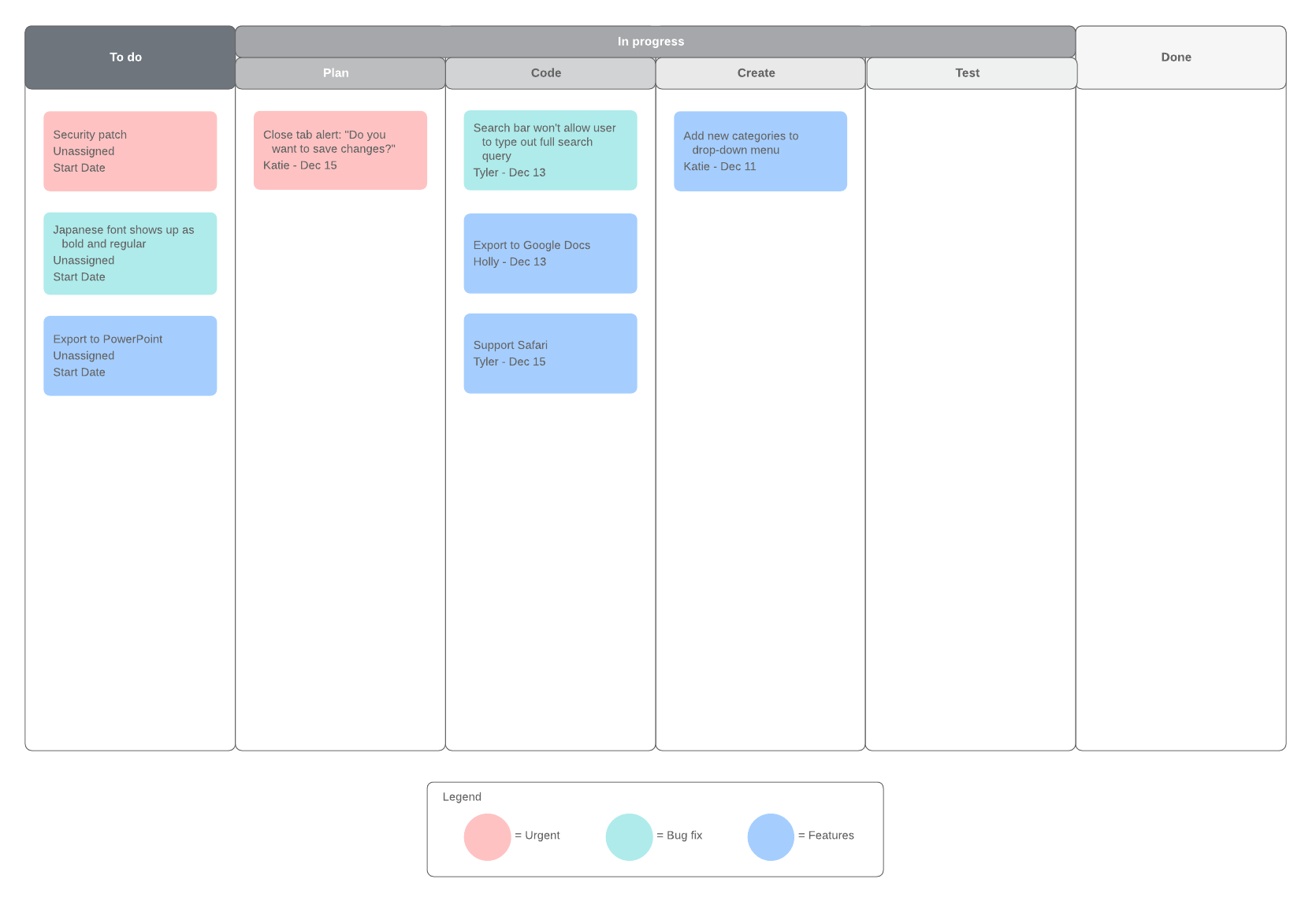
With all project management, being able to clearly communicate processes is vital to the success of your end product. From brainstorming to planning to execution, visual project management tools are extremely valuable in demonstrating the scale of work and communicating that work to team members. No matter the scope or type of project you may be managing, these skills and traits will keep you ahead of your competition, and in control of your desired results.