2. Do
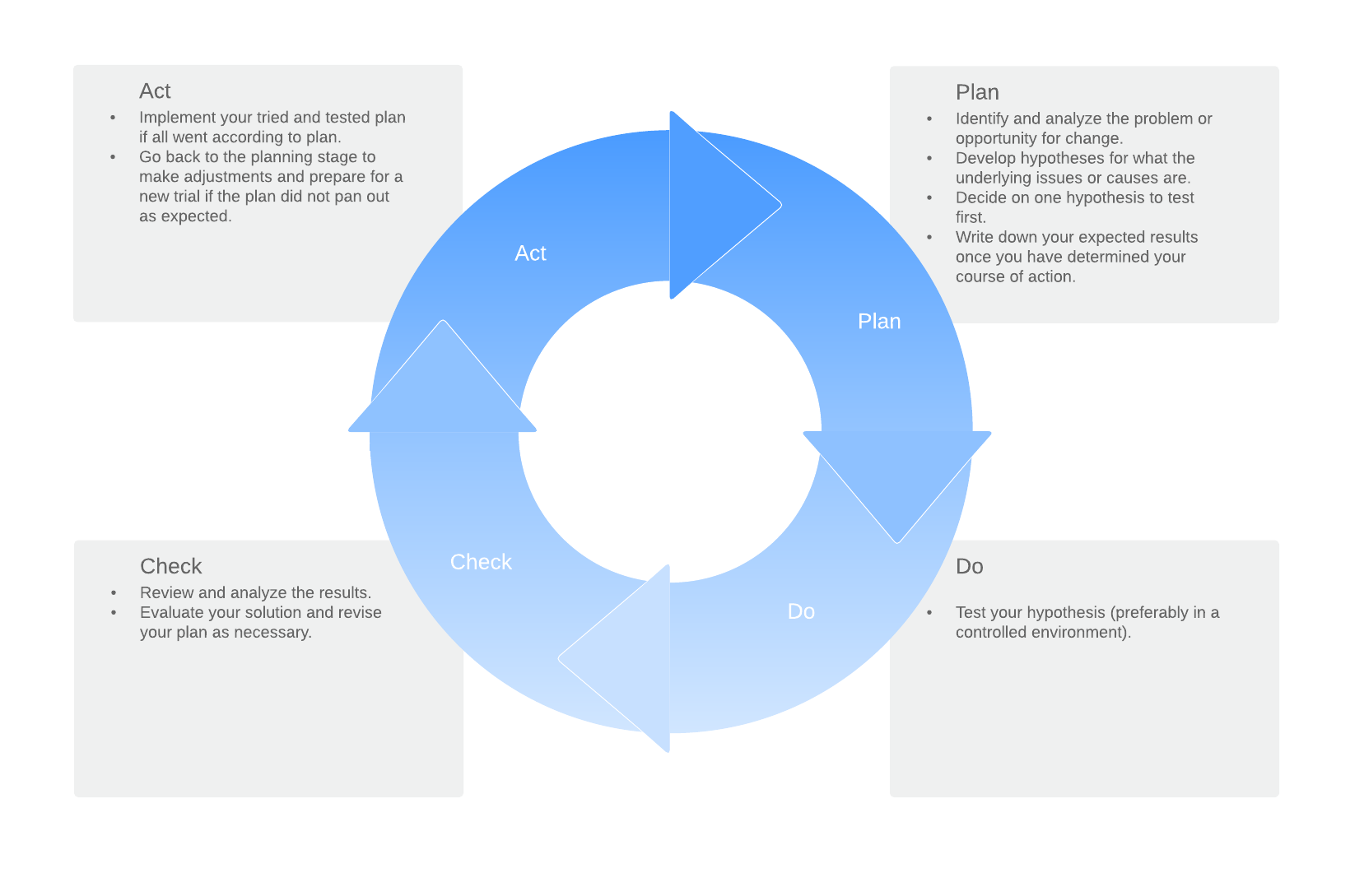
The next step is to test your hypothesis (i.e., your proposed solution). The PDCA cycle focuses on smaller, incremental changes that help improve processes with minimal disruption.
Test your hypothesis with a small-scale project, preferably in a controlled environment, so you can evaluate the results without interrupting the rest of your operation. You might want to test the solution on one team or within a certain demographic.
3. Check
Once you have completed your trial, it’s time to review and analyze the results. This stage is important because it allows you to evaluate your solution and revise your plans as necessary. Did the plan actually work? If so, were there any hiccups in the process? What steps could be improved or need to be eliminated from future iterations?
Your evaluation at this stage will guide your decisions in the next step, so it is important to consider your results carefully.
4. Act
Finally, it is time to act. If all went according to plan, you can now implement your tried-and-tested plan. This new process now becomes your baseline for future PDCA iterations.
Consider the following questions before you act:
- What resources do you need to implement the solution at full scale?
- What training is needed for successful implementation and adoption?
- How can you measure and track the performance of the solution?
- What opportunities are there for improvement?
- What have we learned that can be applied to other projects?
If the plan did not pan out as expected, you can cycle back to the planning stage to make adjustments and prepare for a new trial.
Plan-Do-Check-Act example
So what does the PDCA model look like in action?
In 2019, the Department of Obstetrics and Gynecology at the Ningbo Women and Children’s Hospital in China applied the Plan-Do-Check-Act model to shorten the emergency decision to delivery interval (DDI) time. This is the time it takes between the decision to conduct a caesarean section and the delivery of a newborn. Shortening this time period in emergency situations is critical to saving lives and improving patient outcomes.
Here’s how they did it:
Plan: In 2019, the hospital had an average DDI time of 14.40 minutes. Their process analysis identified three main causes impacting DDI time:
- A defective process
- Lack of first-aid experience
- Poor cooperation among departments
Do: The team developed improvement measures for each cause including:
- Simplifying the surgical process to speed up the pre-op routine
- Establishing a special DDI team to respond to emergency situations
- Standardizing DDI team working processes
- Creating an emergency treatment team, featuring senior doctors with clinical first-aid experience
- Implementing a variety of regular training, such as obstetrical safety meetings, emergency C-section process classes, and practical and theoretical trainings
- Conducting multi-department emergency treatment drills
Check: The hospital monitored and analyzed progress monthly, creating regular evaluation summaries and refining the cause analysis and improvement measures over time.
Act: After refining their processes, the hospital’s improvements optimized C-section delivery processes, increased collaboration across departments, and shortened the average emergency DDI to 12.18 minutes in 2020.
Supporting Kaizen with the PDCA cycle
The Plan-Do-Check-Act model is a particularly useful tool for companies who follow the Kaizen method. Kaizen is an organizational mindset and culture focused on small, frequent changes that lead to significant improvements over time.
The PDCA cycle supports the Kaizen philosophy by providing the framework for developing and implementing continuous improvements.
Using Lucidchart to continuously improve
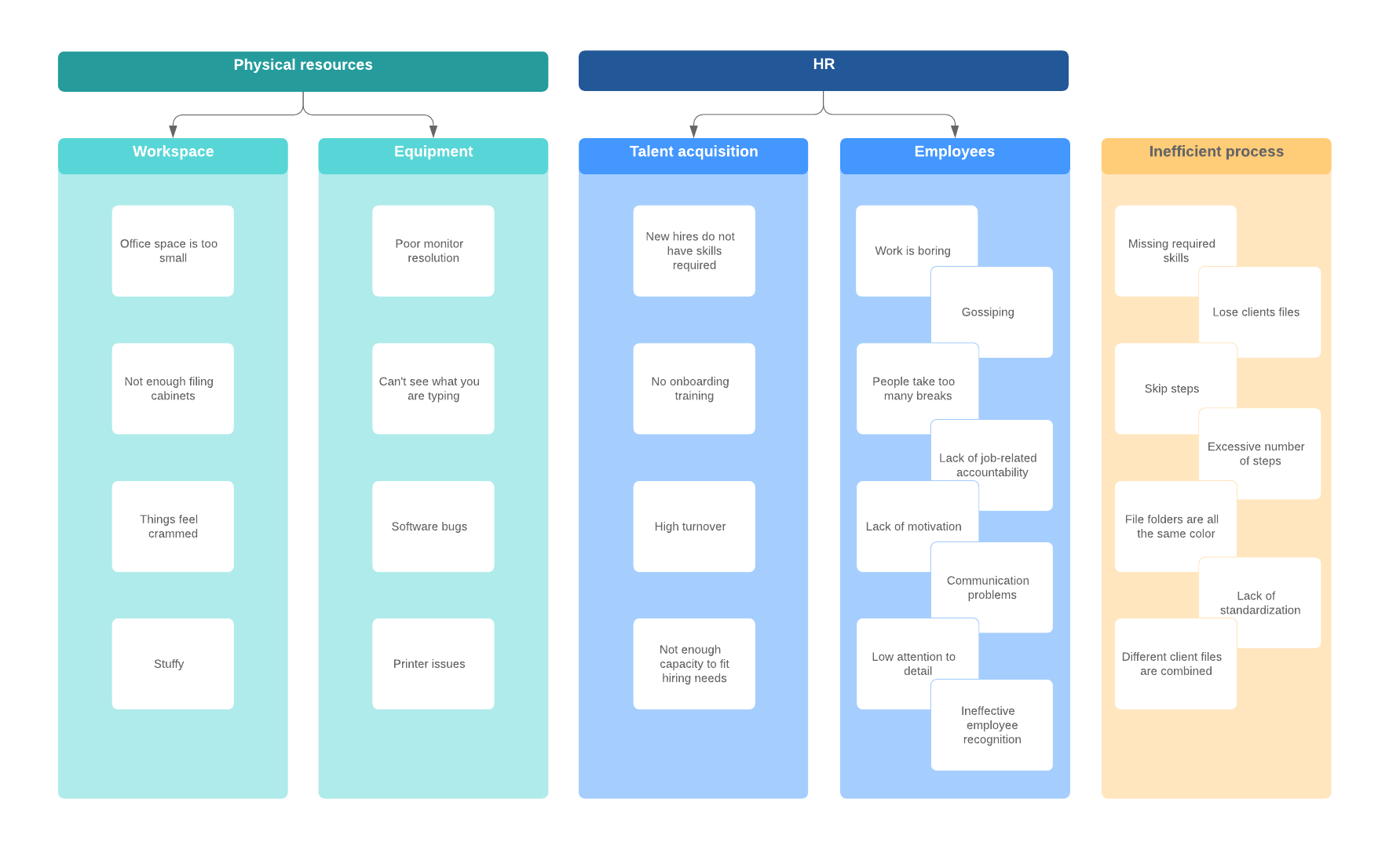
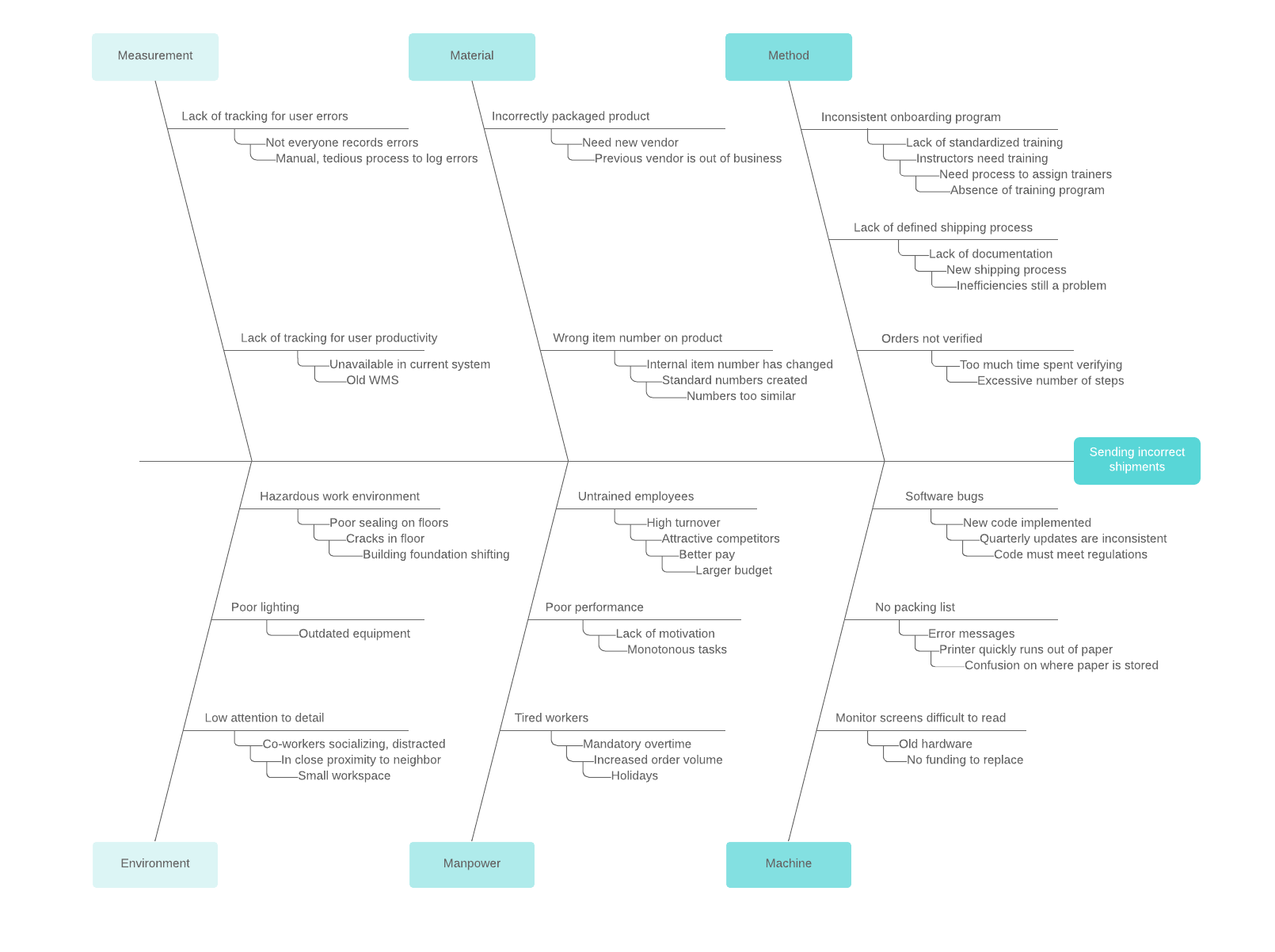
Lucidchart is a visual workspace that helps teams and companies map out their processes and visualize their data in new ways. Use Lucidchart to visualize your PDCA cycle and help you through each step of the process. As you plan your project, you can create a fishbone (cause-and-effect) diagram to visualize problems and potential causes.