What to do when an employee resigns
Employees resign for many different reasons, such as a job offer at another company for more pay or better benefits, a move to another state or country, retirement, or the pursuit of a lifelong dream to be a puppeteer (okay, maybe that one is less likely).
As a manager or an HR professional, you may want to respectfully ask why the employee is planning to leave, as the answer could reveal problems within the company that needs to change. However, above all else, your job is to be courteous and professional when an employee resigns.
Don’t make jokes like “Good, now I don’t have to fire you” or “Don’t let the door hit you on your way out.” Don’t try to guilt employees into staying. It may be appropriate to express sadness or disappointment that the employee is leaving, but it’s a better idea to thank them for their service, congratulate them on their new opportunity, and wish them luck in their future endeavors.
If the employee is well-liked and valuable to your organization, you may want to offer a higher salary or benefits to get them to stay. Just be mindful of the precedent you set to avoid accusations of discrimination. If the employee is not currently meeting the expectations of their role, a resignation could be beneficial to you because it means you don’t have to initiate a layoff or firing process. You still need to treat them with courtesy and respect.
Your steps for employee resignation need to be easily understood so anybody can follow them and the same for every employee to avoid any possible discrimination charges.
Make sure the break is amicable and that everybody parts on good terms.
Steps for employee resignation
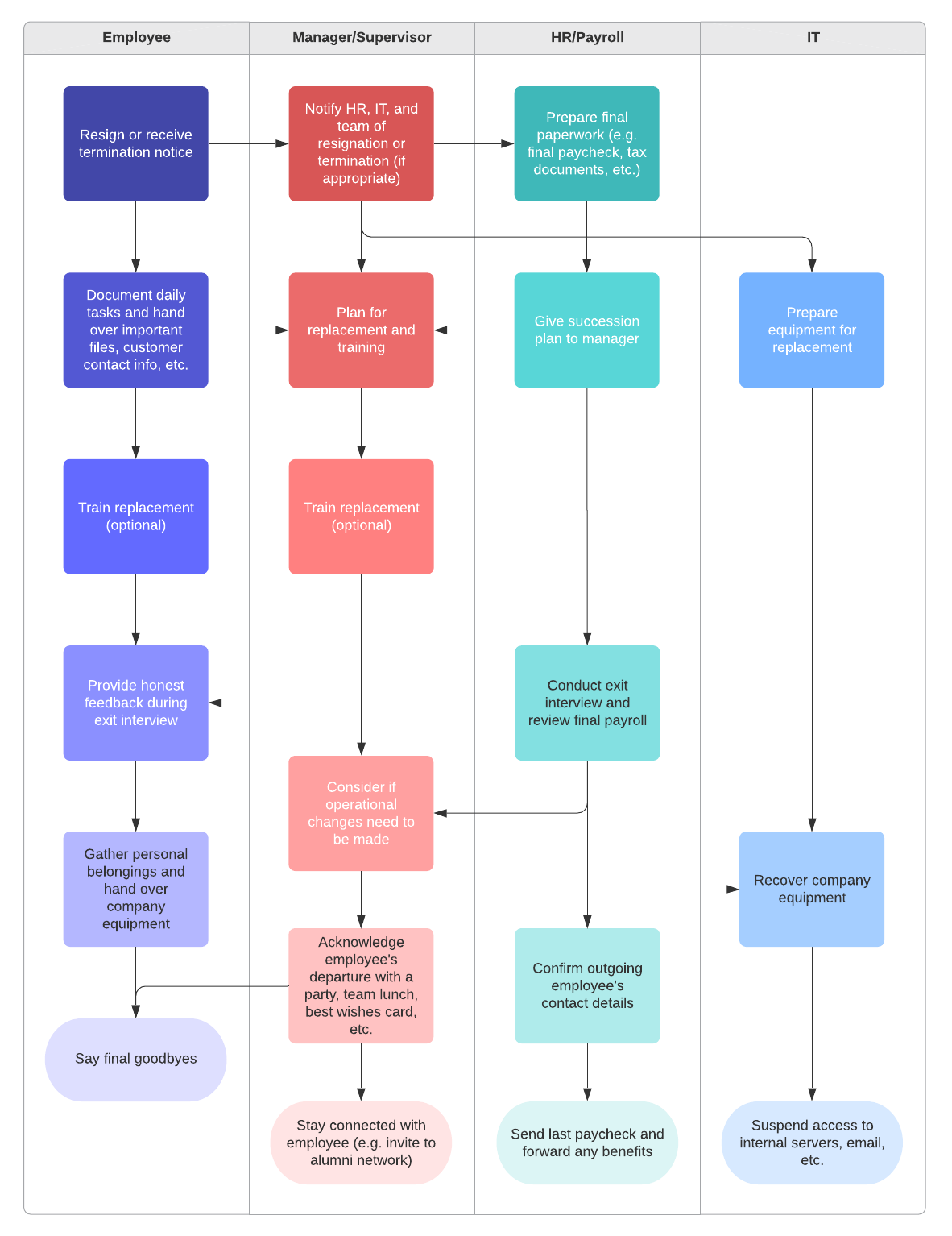
Once an employee has resigned (and once you have reacted appropriately), you should follow your company’s standard resignation procedures. For most businesses, the employee exit process checklist should include the following steps.
1. Ask for a resignation letter
You need a resignation in writing so you can add it to the employee’s personnel file. The resignation letter documents that the employee initiated the termination and that it was not because of any disciplinary action. Typically the resignation letter includes the employee’s intent to leave, the intent to give two weeks’ notice, and the employee’s last day.
It is not required that an employee give two weeks’ notice even if it is stated as a resignation policy in the employee handbook. There are no state or federal laws that dictate that an employee can’t leave without submitting two weeks’ notice. However, it is nice to have a commitment from the employee to help with the transition period.
2. Work with the employee’s manager to fill the position
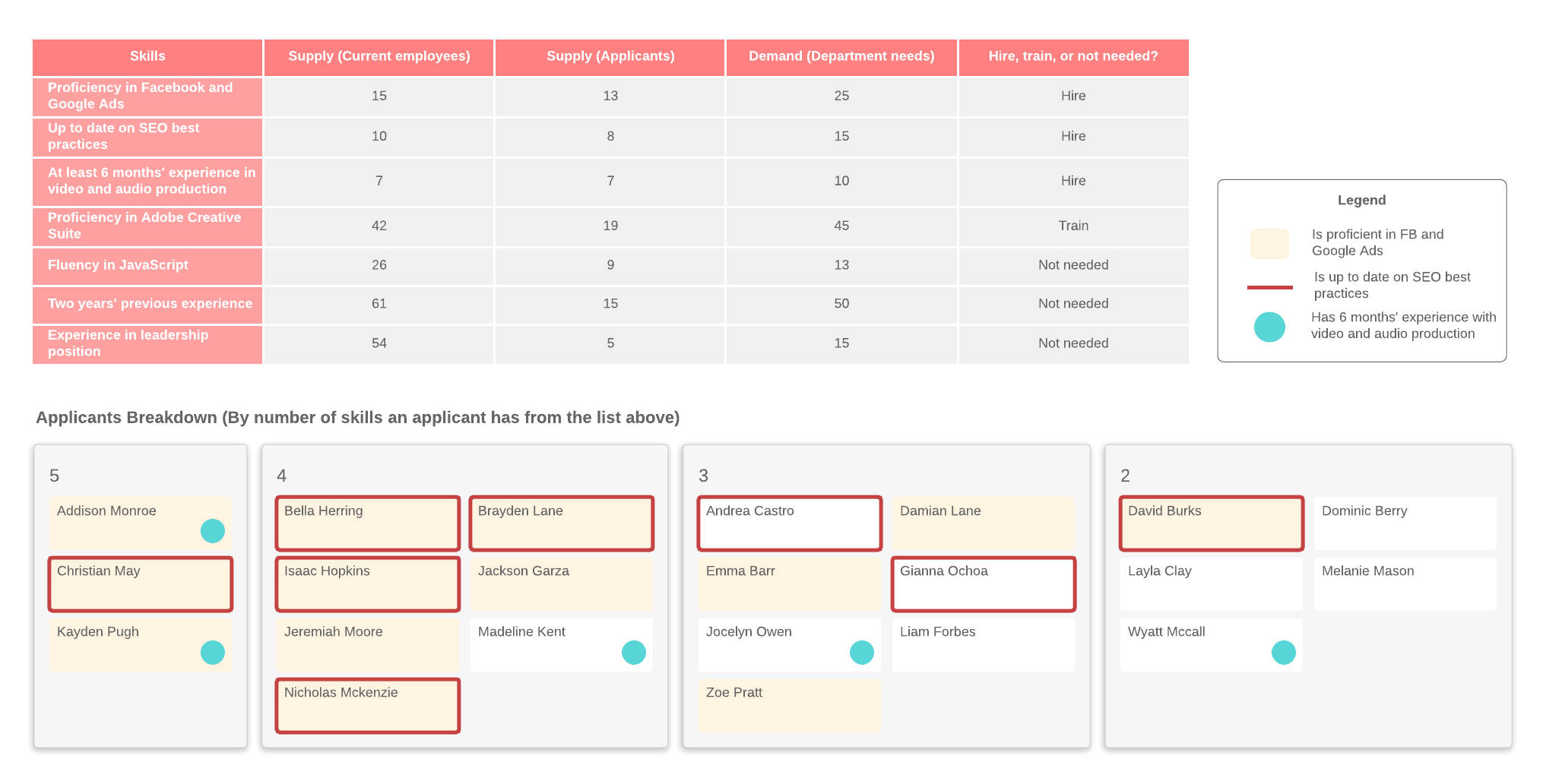
Any time an employee resigns, it can cause a disruption in the department’s normal workflow. Communicate with managers to determine what kind of impact the departure will have on the team. Will the employee need to be replaced immediately? Can the work be divided among the remaining employees? Can your team work effectively without replacing the employee? Should you plan on recruiting a new employee right away?