Cloud computing has gained increased momentum in the past few years, and it isn’t showing signs of slowing down.
However, despite the cloud’s popularity, there are some challenges with cloud migration.
While the cloud does pose some unique security issues, they are not insurmountable.
Below we’ll cover four of the biggest cloud computing security issues and challenges facing organizations today and how you can mitigate those risks and take advantage of a secure cloud environment.
1. Data breaches
A data breach is when confidential information is accessed and extracted without authorization.
Though data breaches are not unique to cloud environments, they remain a top concern for cloud customers. With the average cost of a data breach at $4.88 million, according to a 2024 report by IBM, businesses can’t afford to be sloppy in their cloud security measures.
By its nature, cloud computing requires the customer to cede some control of their data to the cloud provider who manages their cloud services. Sharing control of data (and the responsibility for its security) adds a layer of complexity and difficulty in managing cloud security and mitigating risks.
Since cloud providers have a vast amount of data from numerous sources, they are an attractive target for hackers. Hackers can gain access to secured data by exploiting technical vulnerabilities in the software as well as human error.
So how can you protect your organization from costly data attacks? Fortunately, there are a few key steps you can take:
Apply the Principle of Least Privilege (PoLP)
Least Privilege is the practice of restricting access rights for users, accounts, systems, and processes to only the minimum resources needed to perform routine tasks and duties. In other words, users (e.g., employees) are given the lowest clearance level needed to perform their job.
The goal is to reduce the risk of security breaches by limiting access to only those who need it. Forrester Research estimates that 80% of security breaches involve the theft of privileged credentials.
So, by implementing the least privilege policy, organizations can significantly reduce opportunities for exploitation, limit the fallout from a breach, and improve compliance across the network.
Use multi-factor authentication
Multi-factor authentication (MFA) is a security method for logins that requires two or more credentials from a user to confirm their identity before granting access. This is a simple but effective way to more tightly secure your data and strengthen your access points against potential hackers.
Encrypt data at rest
Data is at rest when it is not actively used and is stored on a hard drive. While basic perimeter defenses like firewalls usually protect this data, encrypting your hard drives (and other data at rest) adds another layer of protection.
2. Data loss
Another cloud computing security challenge in cloud computing is data loss. Data loss occurs when information is destroyed, altered, or corrupted by failures or neglect in storage, transmission, or processing. Data loss can also happen if you lose access credentials—the data still exists, but it remains out of reach without your password and other login identification.
Obviously, maintaining access to your data and keeping it safe at every level is crucial. That is why it is important to implement a robust data loss prevention (DLP) plan as part of your cloud security strategy.
Here are a few steps you can take as part of your DLP:
Backup, backup, backup
The number-one way to prevent data loss is to regularly back it up so you have a way to retrieve or recover it in the event of loss or leakage.
Use DLP software
With this software, you can automate your backup and loss prevention processes so your security measures don’t fall through the cracks.
Perform a risk assessment
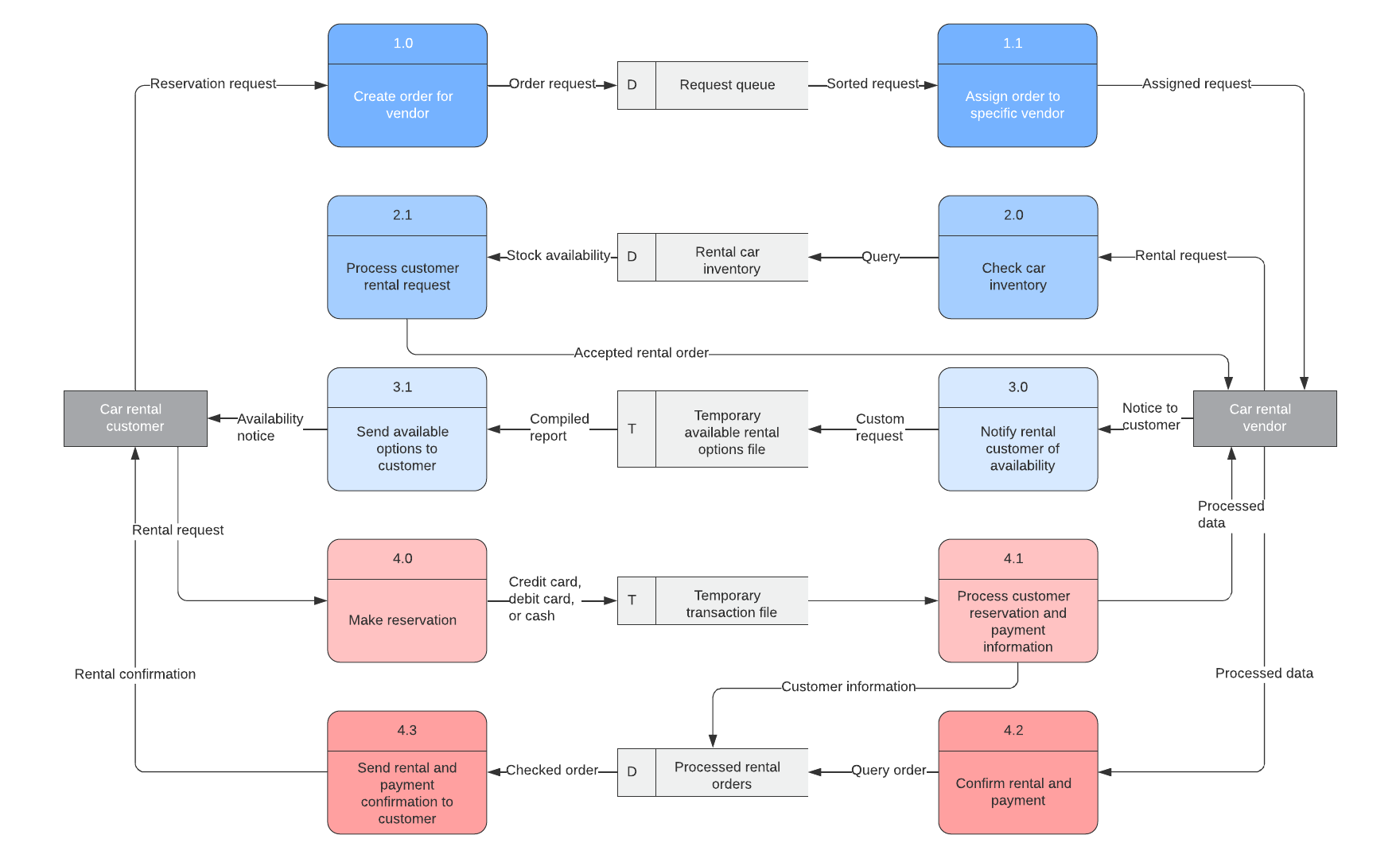
Audit your data to discover where and how your data is stored on the cloud. Once you have an inventory of your data storage, create a data flow map to understand your data processes and identify potential vulnerabilities.