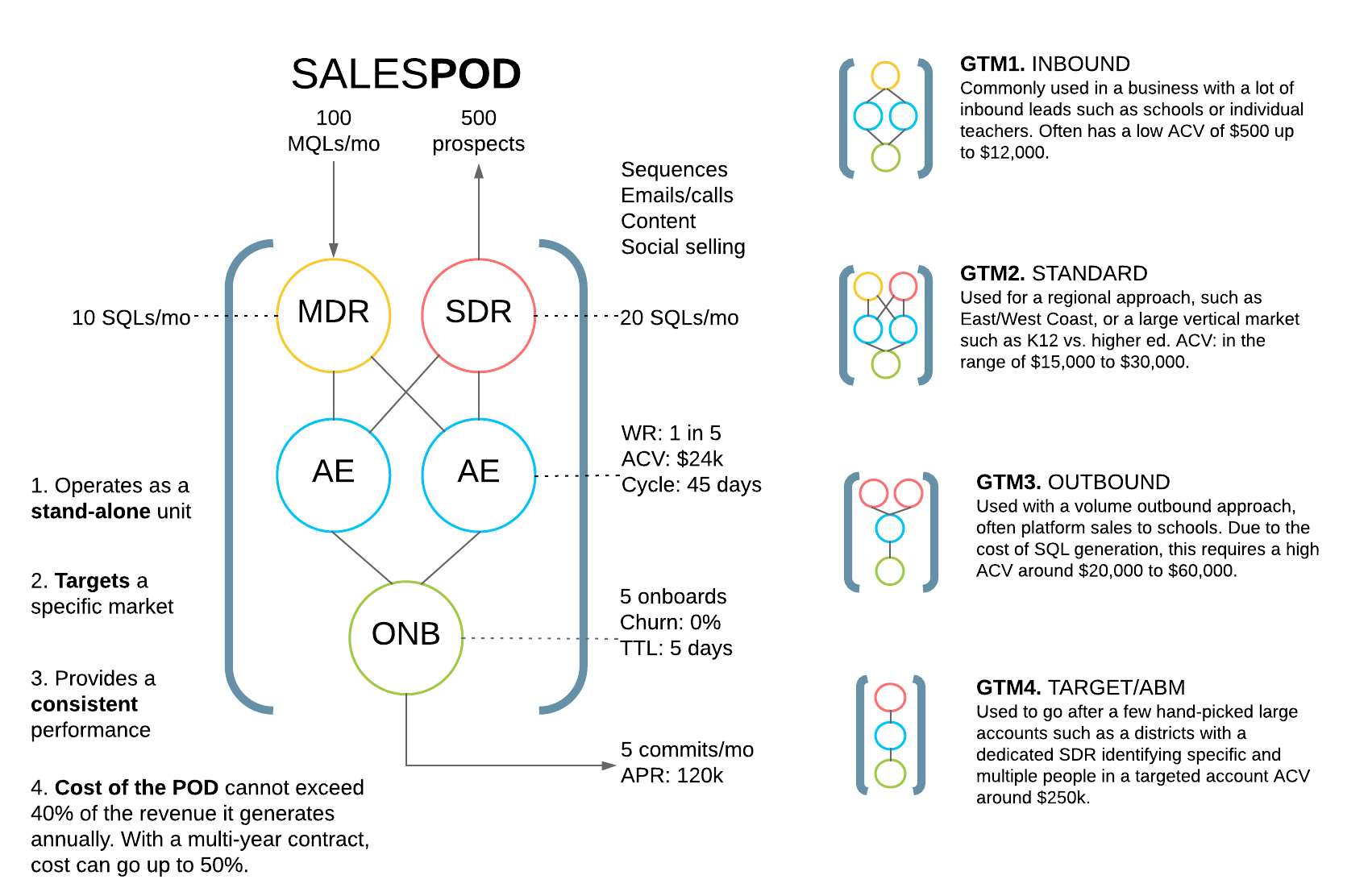
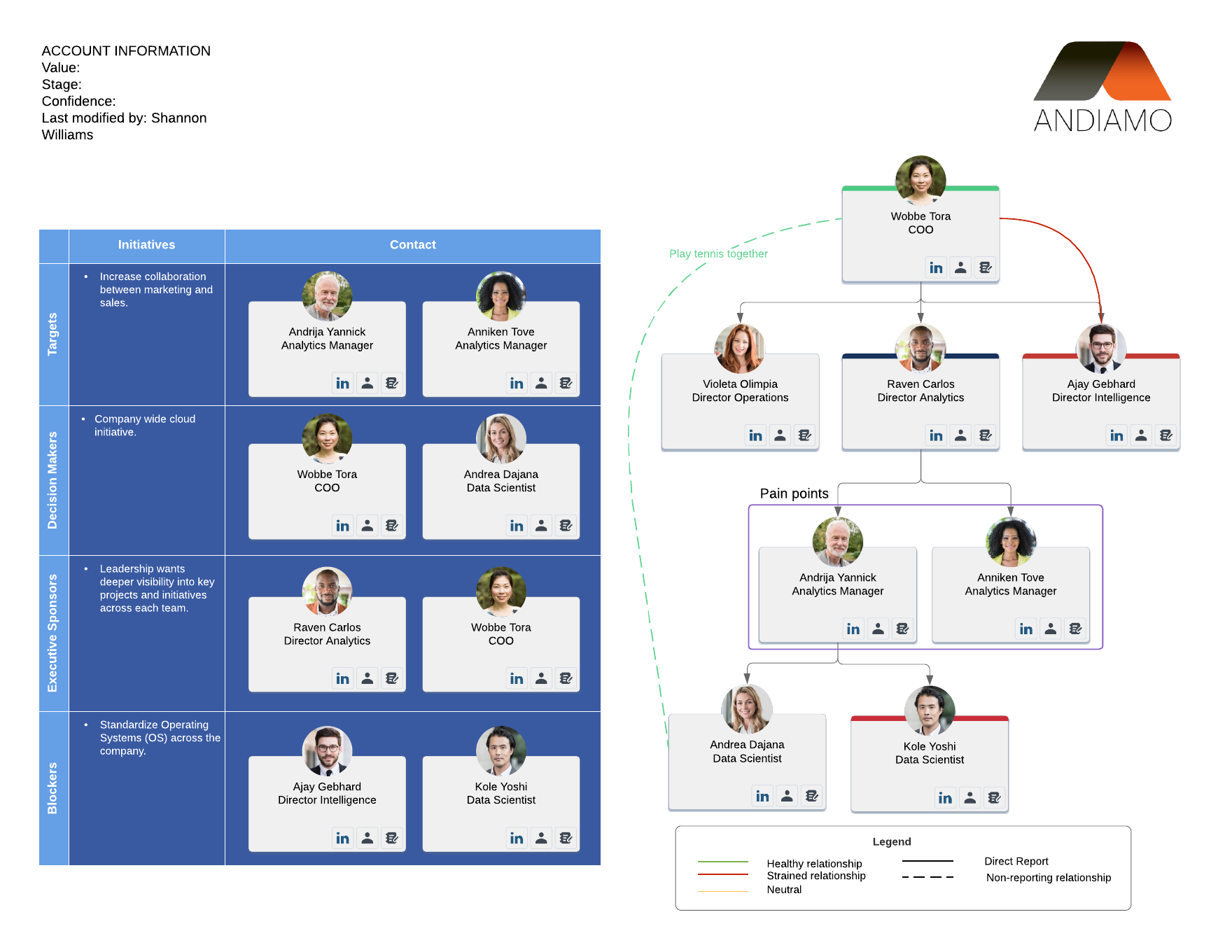
Today’s B2B sales environment is increasingly complex—for both the buyers and the sellers. One of the best ways to cut through the noise and distinguish yourself from the competition is to make the buying process easier for your prospects.
One way to do this is through team selling.
Team selling leverages the expertise and skills of a cross-functional sales team to hone in on a buyer’s unique concerns and address those pain points clearly and effectively.
Here’s how.
What is team selling?
Team selling is a sales strategy commonly used in account-based selling to close more deals. Simply put, team selling is a collaborative sales approach where two or more team members work together to win business—rather than work those accounts on their own.
Team selling may be as simple as bringing on another sales member or specialist from another department on a call to address specific concerns a client may have (e.g., manufacturing, customer service, or technical questions).
Other times, team selling is applied as a more comprehensive strategy to handle complex deals, which might include building a more formal cross-functional team with representatives from sales, marketing, customer service, and senior leadership to collaborate throughout the sales cycle.
Why team selling works
Sales has traditionally been a culture of competition—with team members pitted against one another, their stats and rankings displayed on leaderboards for everyone to see.
But while competition has its merits, collaboration may be your new secret weapon. According to research by Gong.io, team selling increases your chances of closing a deal by up to 258% compared to selling solo.
There are a few key advantages of team selling that make it such a powerful sales strategy.
1. Strengthens relationships and business partnerships through collaboration and communication
One of the biggest strengths of team selling is its ability to bring people together—both within an organization as well as with its prospective clients and partners.
Often, sales teams are siloed from the rest of the operations in a company. This situation is even more likely in larger companies with big teams and departments that might be housed in different parts of the building or in different offices altogether. As a result, interactions and communication between teams may be uncommon or sporadic.
However, when organizations take a team selling approach, they build or repair those internal lines of communication, increasing trust between teams and making it easier for information to flow between departments.
With lines of communication open across teams, there are greater opportunities to collaborate and improve processes throughout the sales cycle as teams share insights and feedback. These opportunities lead to better information, resulting in better sales pitches and shortened sales cycles as you build stronger partnerships with your prospective clients.
2. Engages customers on a personal level rather than just on pricing and terms
Team selling gives you better insight into your buyer’s unique needs and expectations because you have the advantage of multiple perspectives and expertise. When you can anticipate buyer needs (and even provide new insights they hadn’t considered), you become a trusted advisor and partner in the process.
Suddenly, the sale isn’t just about price and contract terms, it's about the quality of the relationship.
This aspect is especially powerful when you collaborate with senior leadership. Executives can lend weight to your offerings and give you long-term perspectives you may not have been aware of that can strengthen your bid and lead to larger deals.