Challenge #2: Creating a culture
While employees do enjoy the flexibility of remote work, it doesn’t mean they don’t enjoy being part of an office culture. Remote workers have fewer opportunities to develop that sense of camaraderie with colleagues, and they have less visibility into overall company missions and values. As a result, some employees experience isolation, loneliness, and dissatisfaction with their roles. While not an easy task, it’s important to adopt a work-from-home culture that helps remote workers feel that they are a part of the larger company culture as much as possible.
Solutions
Provide opportunities for colleagues to connect: Try to have remote workers come into the office at least every once in a while so they can start building relationships, or have everyone meet up at an industry conference. Ensure every office meeting includes dial-in and video conference info, and hold frequent virtual meetings to increase face time among the team.
Organize team-building activities: Hold team activities when remote workers come into the office. If they can’t come in, try to get creative. For example, the team at Trello organizes events such as online trivia nights and coffee meetings to provide opportunities for informal interactions among colleagues.
Use social tools or your company intranet: Help remote employees stay up to date on the company culture by using social media or your intranet to share insights on the company mission and values, provide business updates, and recognize employee success.
Make collaboration a priority: Make collaborating just as much of a priority in the virtual environment as it is in the office. Group presentations, team research projects, and colleague-to-colleague mentoring can all help promote a collaborative environment.
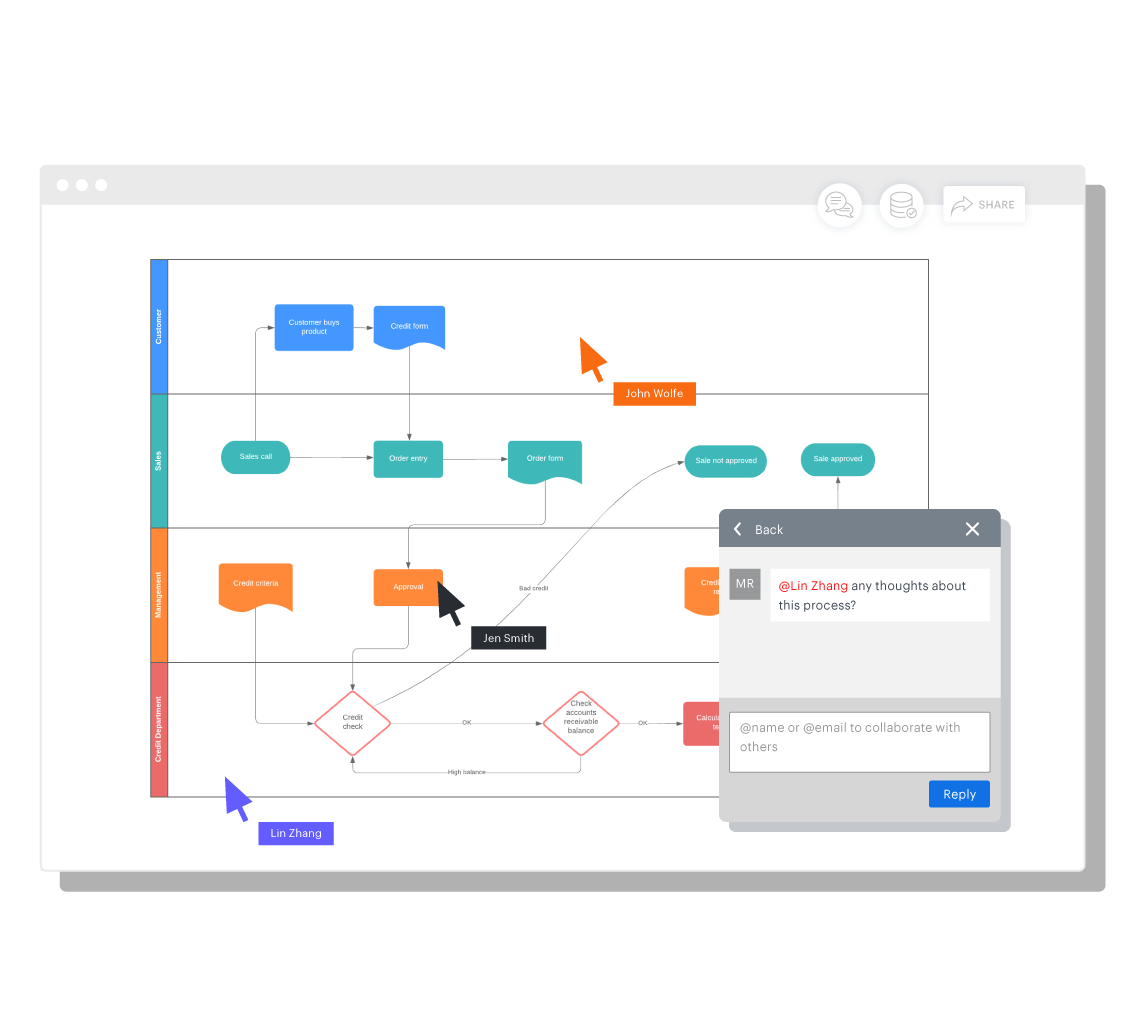
Take advantage of the cloud: Cloud technology allows employees to access the information, tools, and content they need to get their jobs done, regardless of their location. Teams can work in real time on the same documents and give and receive feedback instantaneously.
Challenge #3: Tracking employee performance
It can be hard to monitor employee performance when your team isn’t physically in the office, especially for jobs that require employees to be engaged for a certain number of hours per day. But it’s also hard to find the right balance of checking in without becoming a resented micromanager. Yet another troubling scenario is when remote workers overcompensate for not being in the physical office by overworking, which can lead to burnout.
Solutions
Establish expectations: It’s crucial to outline clear expectations from the get-go when managing remote teams. Employees need to know exactly what is expected of them at all times and should have goals and metrics established. When armed with this knowledge, teams are happier and better able to live up to set expectations.
Use time-tracking and/or project management software: If necessary, time-tracking software can help you better understand what remote workers are doing throughout the day. It can also help motivate employees to stay on task and be accountable for how they spend their time. Cloud-based project management software helps everyone see where employees are at on specific projects and identify where help is needed.
Trust your employees: At the end of the day, flexible work arrangements are only possible if you trust your employees. Take your time in the hiring process to find team members you feel confident will succeed in a self-directed role. Look for qualities such as independence, initiative, and self-discipline.
Challenge #4: Maintaining security
The shift to remote work is often accompanied by a transition to t he cloud, opening the organization up to new security risks, leaks, breaches, and hacks. In fact, a 2018 Apricorn survey found that a third of organizations claim to have experienced a data loss or breach as a result of mobile working. Mike Hicks, VP of Strategy at Igloo Software, states, “The main security concern stemming from remote workers is the vast amount of online information sharing.” All communication is done online—there are no watercooler chats for remote workers.
Additional challenges arise with employee hardware—IT faces the challenge of managing and supporting mismatched devices running on different operating systems. In addition, remote workers often mix work and personal data on the same device and apps, which can lead to unintentional exposure to friends and family and online attacks.
Solutions
Reduce points of vulnerability: Make sure employees keep business-sensitive documents in one secure cloud location rather than on individual laptops. Have a central platform where data and information is stored rather than having it spread across inboxes and hard drives. This practice also ensures employees always use the most up-to-date documentation.
Establish secure connections: Remote workers are more at risk for internet attacks since they often work from public Wi-Fi. Make sure employees connect through a virtual private network to keep all internet traffic secure.
Enforce password safety: It only takes one weak password to wreak havoc on your company’s security, so be sure to constantly reinforce the importance of secure passwords and remind employees of password best practices. You might also want to implement two-factor authentication.
3.9 million Americans now work from home at least half the time, and that number is only expected to grow. That growth is an exciting opportunity for companies and provides a win-win situation with the many benefits it offers for both employers and employees.