Porter’s Five Forces
In his famous article from the Harvard Business Review, “What Is Strategy,” Michael Porter seeks to define strategy through a series of influences. Porter believed that price couldn’t be the only thing influencing strategy. Each of the Five Forces culminates around an industry’s competitive rivalry.
To define strategy, analyze your firm in conjunction with each of Porter’s Five Forces.
1. Threats of new entry
Consider how easily others could enter your market and threaten your company’s position. Answer the following questions:
- How much does it cost and how long does it take to enter your market?
- What are the barriers to entry (e.g. patents, rights, etc.)?
- What does it take to make the business scalable?
- Have you protected your key technologies?
- How strictly is your market regulated?
If competitors can enter your market with little money and effort, you will need to adapt your strategy to handle any potential rivals.
2. Threat of substitution
This section of the Five Forces asks you to determine the likelihood that your customers will replace your product or service with an alternative that solves the same need. Answer these questions:
- What are the differentiators between your product/service and the substitute?
- How many substitute products are available in this market?
- What is the cost of switching to a substitute product?
- How difficult would it be to make the switch?
- What products or services can you offer that might substitute a market leader?
Think of what the iPod did to the CD market. The iPod used new technology to fulfill the same need that the CD filled for years—giving customers a portable way to listen to music. Price isn’t always the reason that customers switch to a substitute product. After all, the iPod was much more expensive than a CD player, but people were willing to pay a higher price for a device that held thousands of songs.
3. Bargaining power of suppliers
Analyze how easily suppliers can increase their prices and thus affect your bottom line. Answer these questions:
- How many suppliers does your company have?
- How unique is the product or service that they provide?
- How many alternative suppliers can you find? How do their prices compare to your current supplier? How expensive would it be to switch from one supplier to another?
Remember that your supplier will think strategically, just as you are. If your supplier understands that few other companies could fulfill the same need, they could charge you more for their unique service.
4. Bargaining power of buyers
You also need to determine whether buyers have the power to drive your prices down. Answer these questions:
- How many buyers control your sales?
- How large are the orders you receive?
- Could your buyers switch suppliers? How much would it cost for them to switch?
- How important is your product/service to your buyers (i.e. what is the ROI of your product/service)?
These questions help determine the leverage your clients have to dictate the cost. The more customers you have, the more power you retain.
5. Competitive rivalries
The four previous forces largely affect this last one. You need to look at the number and strength of your existing competitors. Answer these questions:
- How many competitors do you have?
- Who are your biggest competitors?
- How does the quality of their products or services compare with yours?
- What distinguishes your company from the competition?
- What will it cost one of your customers to switch to a competitor?
Remember Microsoft Zune? It was Microsoft’s way to “beat” the iPod. They didn’t.
Microsoft discontinued the Zune in 2012. But why? The Zune cost less, was upgraded with every firmware release, and offered a music subscription service long before Apple announced the now-popular Apple Music.
The simple answer? Branding. Apple had already established the iPod as a cool, trendy product. Additionally, the iPhone launched six months after Zune’s release, thus replacing the need for the iPod and infiltrating the mobile market. By examining the Five Forces within your market, you’ll have a better sense of where you stand with the competition and how you can adapt your strategy to bring in your target audience.
What to take from the Five Forces
So, what does strategy mean now? Porter’s Five Forces devolve into two schools of thought: do what everyone else is doing but cheaper, or do something nobody’s ever done before.
Existing businesses can build on what they already do, either finding ways to maximize efficiency or looking for emerging opportunities and new trends. Look at Facebook. They’re the leading social media platform, but they have expanded into messenger apps, chatbots, and the online marketplace as new markets emerged.
Become a cost leader
Find a way to make your product as cheap as possible. However, don’t sacrifice your standards and ensure you sustain profitability. Your customers expect a standard from you. You need to deliver that standard.
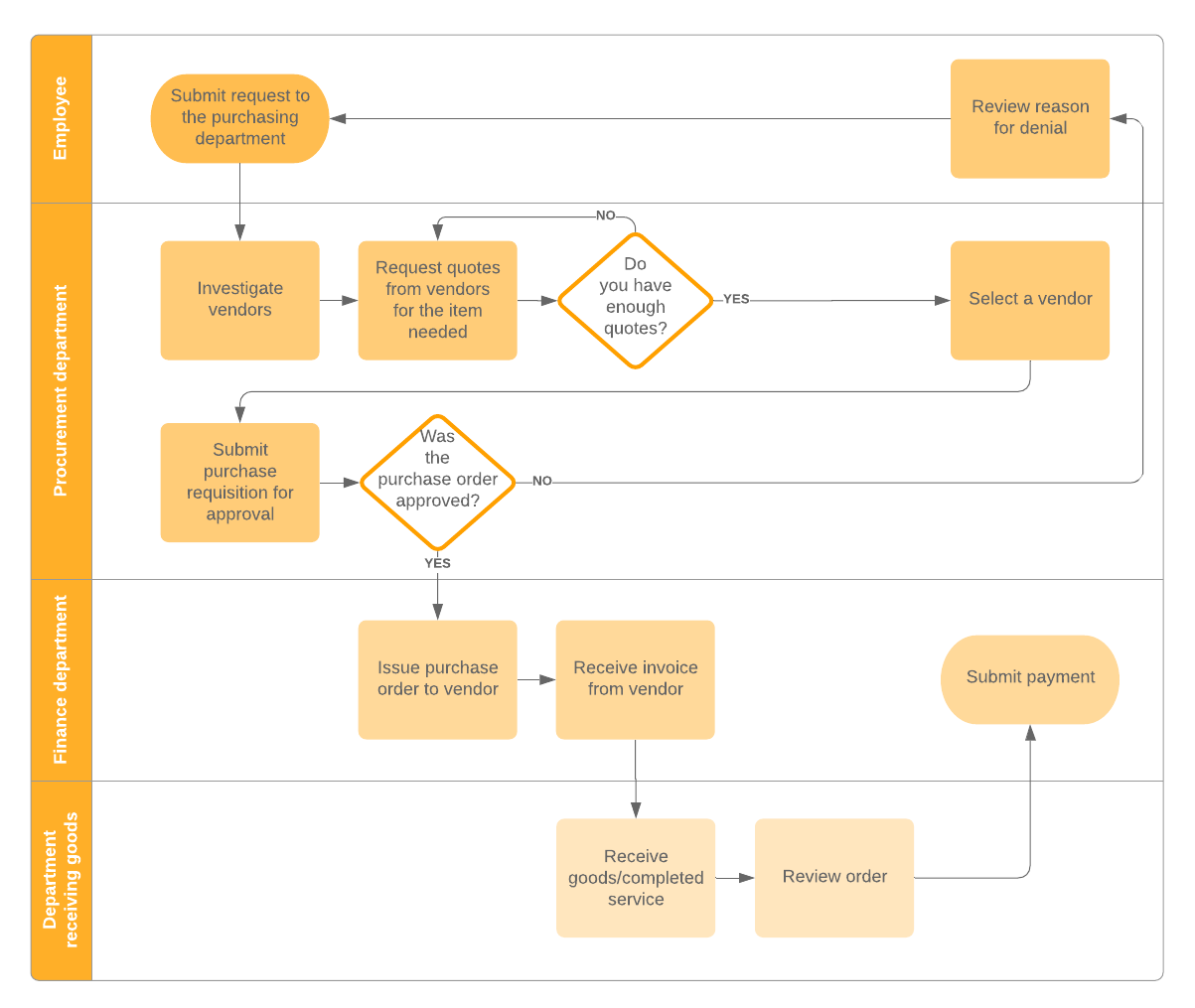
Remember the GiGo lesson from math: garbage in, garbage out. Never sacrifice product standards for price. Just find a way to get what you need in the cheapest way possible. You can more easily streamline processes and determine where to cut costs when you map out your process and analyze the visuals.