Until recently, project management was a fairly linear task. The main goal was to keep the project in scope, on time, and on budget.
But as the workplace has become more complex and technology has evolved, a project manager’s role has become more layered. These days, almost every project needs a project lead—someone who has the soft skills to manage projects holistically, emphasizing people management.
Let’s take a closer look at the evolution of the project lead and how today’s organizations are rethinking how and where the role fits into increasingly complex and transformational organizations.
Evolution of the project lead
In the past, project management teams essentially had project managers, engineers, and directors to oversee the whole project. Project management was heavily focused on the technical aspects of implementation and the trifecta of staying on time, on budget, and within scope.
The role of lead project managers evolved out of the need for someone to focus on that interpersonal aspect of project management. Who would keep the team working well together? Who would keep stakeholders in the loop? And—let's be honest—who's bringing the donuts and coffee on Fridays?
Project leads fill the intangible skills gap by focusing on team dynamics and a positive work environment. That includes keeping teams motivated, stakeholder outreach, and problem-solving.
Why the shift?
Technology has become an essential part of almost every aspect of the business, making the projects connected to it more complex and broader in focus. For example, Jira has primarily functioned as a support desk platform, but now it's used to manage all kinds of teams that field requests. So when it's time to implement a platform like Jira, project managers aren't just dealing with cost, timelines, and quality assurance anymore. They are dealing with more stakeholders and more dependencies.
The expanded focus requires finesse. Knowing when to loop in the right people can build support and cooperation for projects. At the same time, understanding business objectives at the company level can help project leaders prioritize tasks and put them in context for decision-makers. Project leads have the people skills to build those important relationships and demonstrate how projects ladder up to larger key objectives.
Processes have also become more complicated: Companies are trending toward a standardization of the platforms they use to reduce redundancies and take advantage of economies of scale. That approach requires understanding many different workflows and implementing change for both flexibility and consistency.
A content management system like Box, for example, might work great for one team but need to be tweaked to be useful for another team. Project leads with strong strategic skills can more readily understand each team's specific needs while also identifying the commonalities that standardize implementation.
A powerful combination for the future
With more teams working remotely, it's very likely that the role of project lead will continue to evolve. Lead project managers of the future will need to do two things: lean more heavily on their strategic skills to navigate the remote workplace and leverage their communication skills to keep teams motivated.
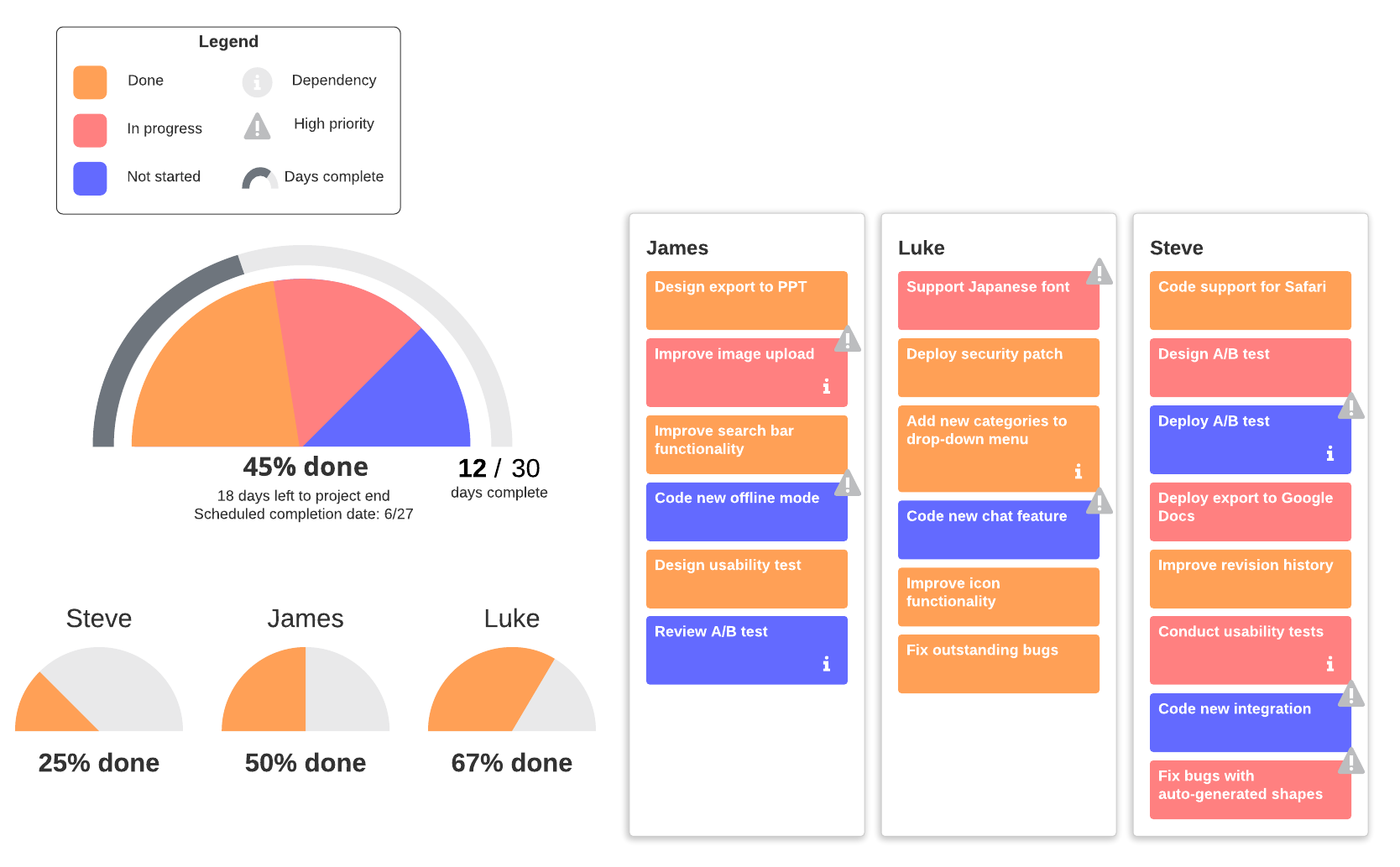
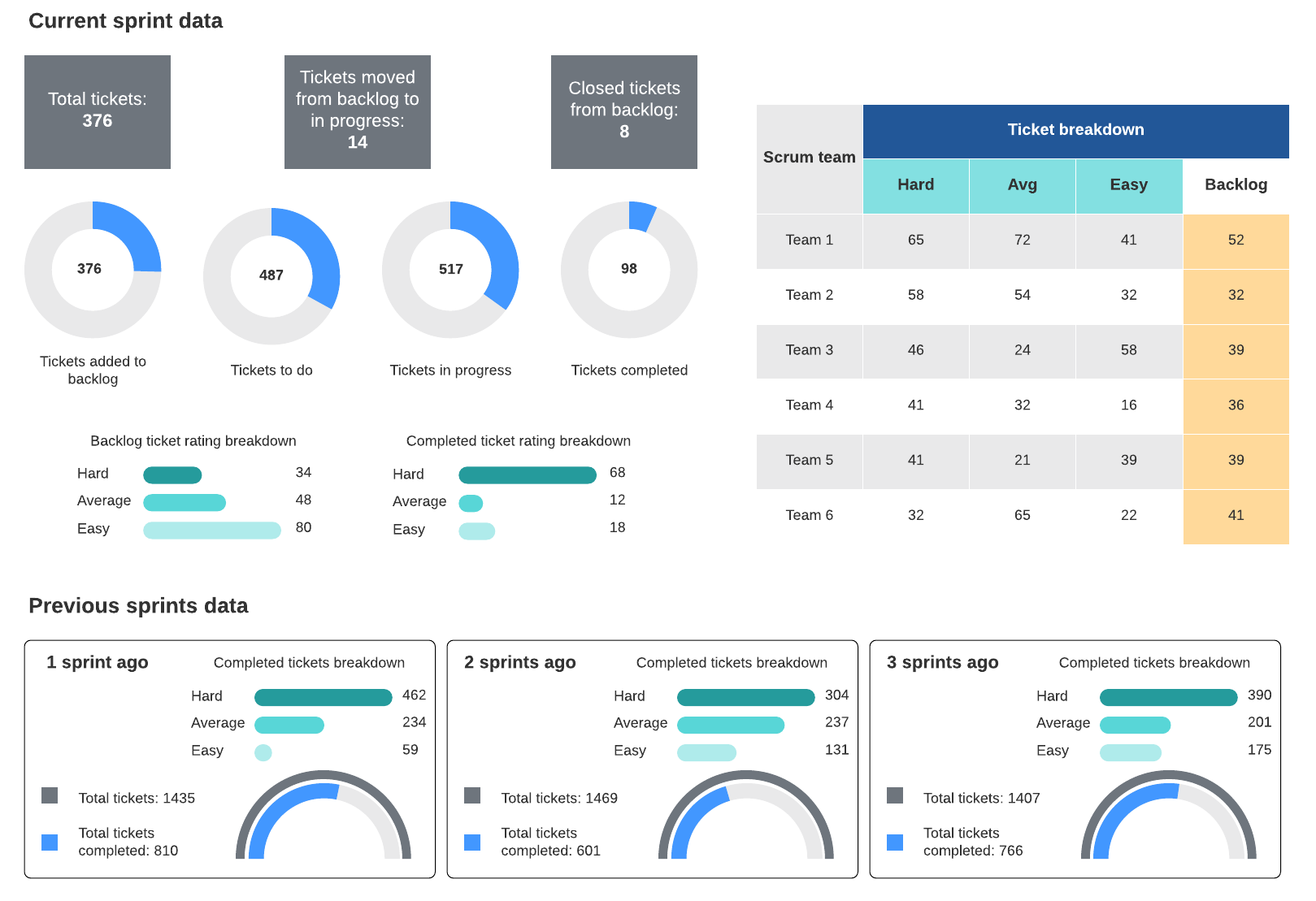
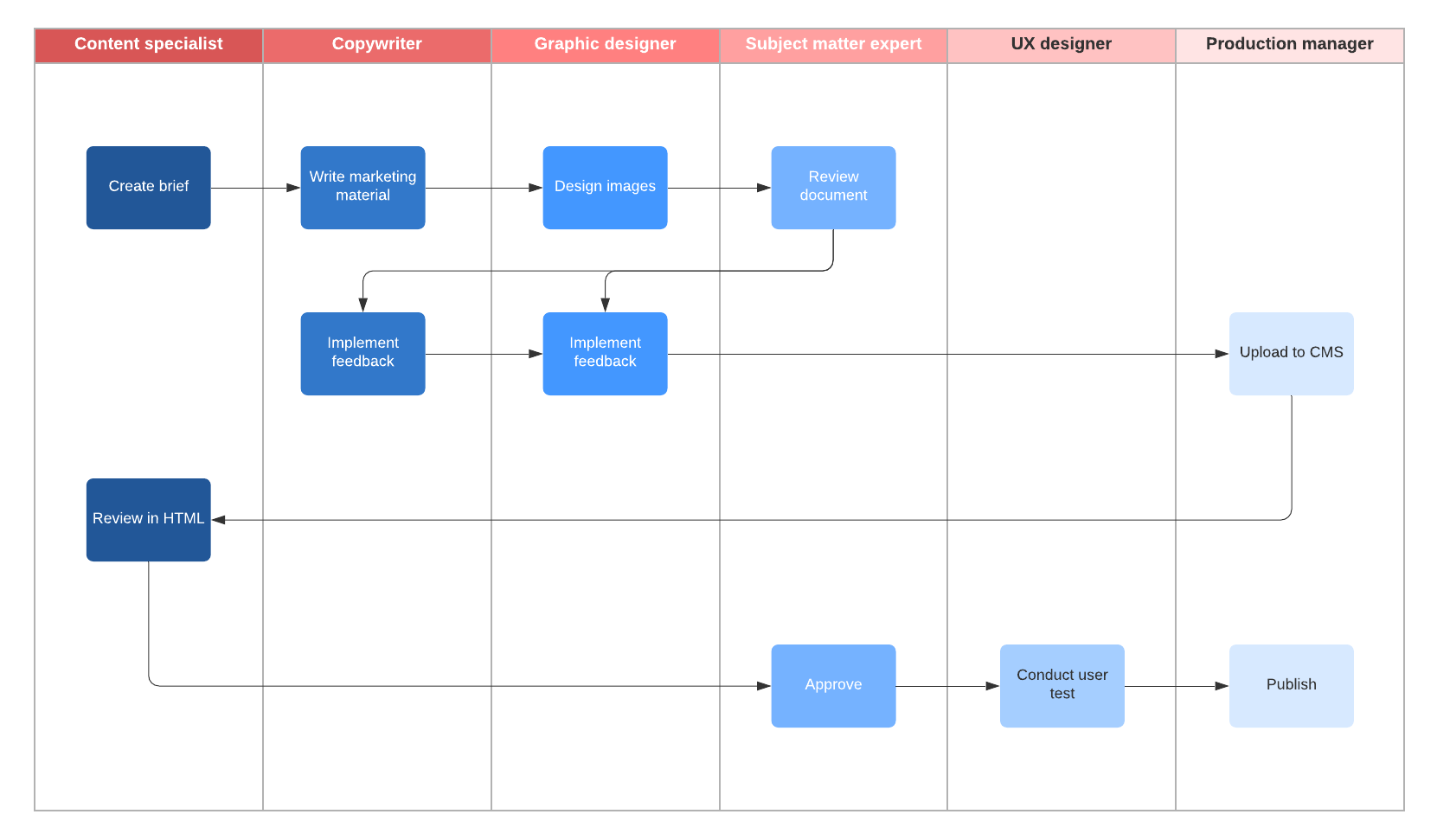
Project leads will need to lean on their understanding of business strategy to help decision-makers understand projects more efficiently since they won't always benefit from in-person communication. Visuals can be especially helpful in bringing stakeholders up to speed on the state of a project and conveying what's needed from them to make implementation successful.